

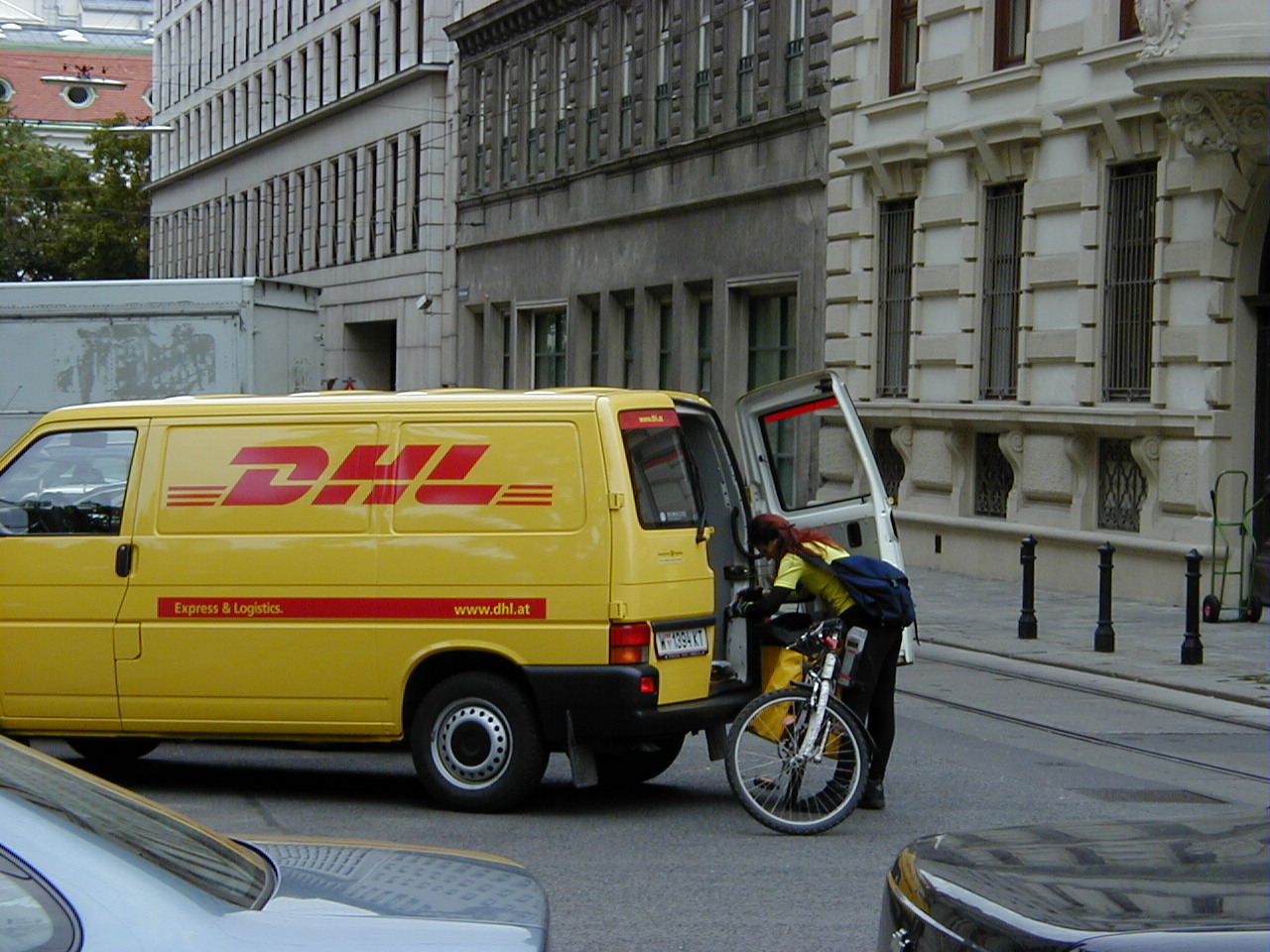

Quick commerce is online shopping where groceries and daily essentials reach your door in about 10 to 30 minutes. Apps like Blinkit, Zepto and Swiggy Instamart make this possible by stocking products in small local warehouses called dark stores, placed close to where customers live, so riders only travel a short distance.
A few years ago, ordering milk or a phone charger and getting it before your tea gets cold sounded like a gimmick. Today, quick commerce is part of daily life in most Indian metros, and it keeps showing up in business news, stock market discussions and even debates about neighbourhood kirana shops. Here is what quick commerce is, how it works and why it matters.
What quick commerce means
Quick commerce, often shortened to q-commerce, sits between traditional e-commerce and the corner shop. Regular e-commerce ships from large warehouses and takes a day or more. Quick commerce focuses on a smaller range of everyday items and delivers them within minutes.
 Also readIPL Auction Explained: Purse, Retention, RTM and Salary Cap Rules
What people buy has also grown. It started with groceries, fruits, vegetables and dairy. Now apps sell electronics, beauty products, toys, stationery, kitchen items and even festive gifts, all promised within a short window.
How 10-minute delivery actually works
The speed does not come from riders driving faster. It comes from where the stock sits. Quick commerce companies run dark stores, which are small warehouses not open to walk-in customers. Each dark store serves a small area, usually covering a radius of just a few kilometres.
When you place an order, staff inside the dark store pick and pack the items in a couple of minutes, using shelf layouts designed for speed. A rider waiting outside then takes the bag on a short route. Larger fulfilment centres in each city keep the dark stores supplied, as described in a 2025 analysis by Cornell University’s SC Johnson College of Business.
Software does a lot of the work. Apps predict what each neighbourhood will buy based on past orders, the day of the week, weather and festivals, so the right stock is already nearby when demand rises.
The main players in India
| App | Background |
|---|---|
| Blinkit | Started as Grofers; acquired by Zomato (now Eternal Ltd) in 2022 |
| Zepto | Founded in 2021 as a dedicated quick commerce start-up |
| Swiggy Instamart | Launched by Swiggy in 2020, using its food delivery network |
| Others | Flipkart, Amazon and Reliance have also entered with fast delivery services |
A Motilal Oswal report cited by Cornell put Blinkit’s market share at about 46%, Zepto at about 29% and Swiggy Instamart at about 26% in early 2025, leaving out smaller players. Shares move quickly in this sector, so treat these as a snapshot rather than a fixed ranking.
How big is quick commerce?
According to the Cornell analysis, India’s quick commerce market grew from about $300 million in 2022 to about $7.1 billion in gross order value in the 2024 to 25 financial year. The same piece notes projections of around $35 billion by 2030. Estimates vary between research firms, but all of them point to fast growth, mainly in large cities.
The growth has made quick commerce one of the most closely followed parts of Indian business. Results from Eternal and Swiggy, both listed on Indian stock exchanges, often include detailed numbers on their quick commerce arms, and these numbers are discussed widely by investors. Our Finance section covers more on how such businesses are valued.
Why people love it
- Convenience: Forgotten items for a recipe or a puja can arrive in minutes.
- Late hours: In many areas, orders can be placed late at night, when local shops are shut.
- Discounts and range: Apps often run offers and stock brands that small shops may not carry.
- Small orders: People can order just a few items instead of planning a big weekly shop.
The concerns being raised
Quick commerce has also faced criticism. In 2025, the All India Consumer Products Distributors Federation filed a complaint with the Competition Commission of India against Blinkit, Zepto and Swiggy Instamart, Inc42 reported. The distributors alleged deep discounting and unfair pricing, and said these practices hurt more than 10 million small neighbourhood stores.
Profitability is another question. Building and running hundreds of dark stores is expensive, and analysts have pointed out that heavy competition from large players such as Flipkart, Amazon and Reliance can keep costs high. Some experts quoted by Cornell called the boom dependent on continued investor funding.
There are also discussions around the working conditions of delivery riders, who are gig workers rather than full-time employees, and around road safety when delivery times are very short. The debate continues on social media and in policy circles.
What it means for kirana shops
Kirana stores remain the backbone of Indian retail, especially outside big cities, and they still offer things apps cannot, such as credit for regular customers and personal service. Many have started taking orders on WhatsApp and joining delivery platforms themselves. The long-term picture is likely to be a mix of both rather than one replacing the other.
For more on how apps and technology are changing daily life, read our Technology coverage, and for other trending explainers, visit Buzz.
Frequently asked questions
What is a dark store?
A dark store is a small warehouse that is not open to shoppers. It stores products close to customers so that online orders can be picked, packed and delivered within minutes.
Which is the biggest quick commerce app in India?
Based on a Motilal Oswal estimate from early 2025, Blinkit had the largest share, followed by Zepto and Swiggy Instamart. Market shares change often.
Is quick commerce available in small towns?
It is mostly concentrated in metros and large cities, though companies have been expanding to smaller cities where order volumes can support dark stores.
Why are distributors complaining about quick commerce?
Distributor groups have alleged deep discounting and unfair pricing by large apps, saying it hurts small stores. The complaint was filed with the Competition Commission of India in 2025.
Sources: Cornell SC Johnson College of Business, Inc42, TechCrunch.