

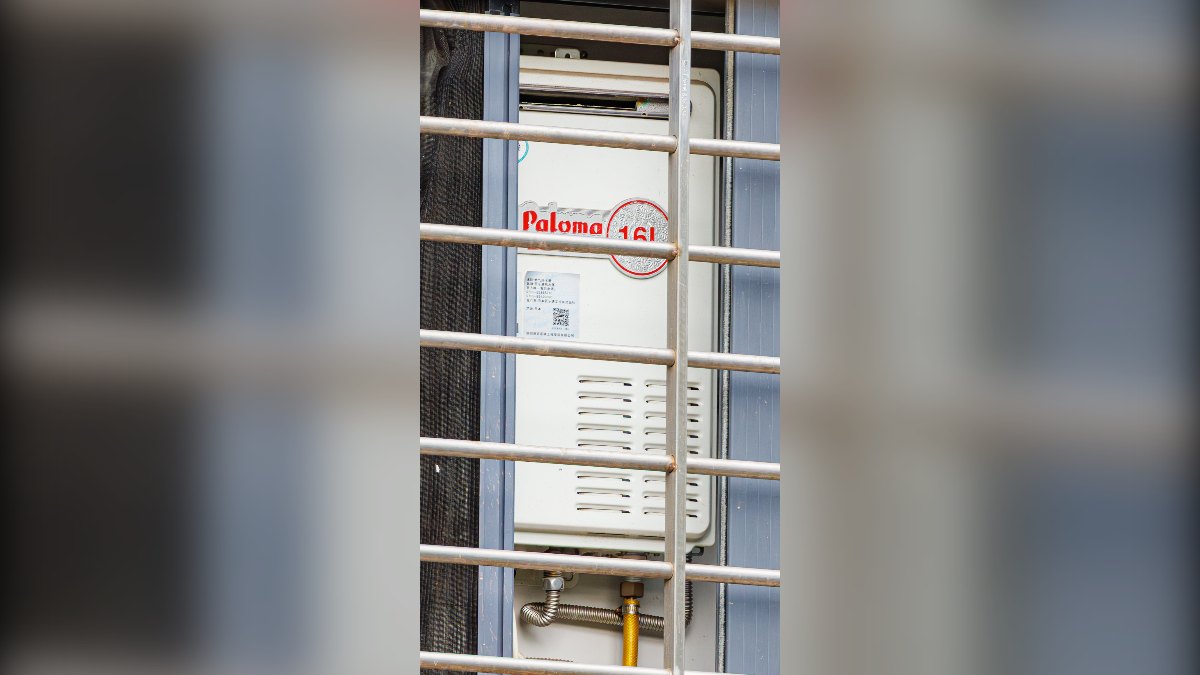

Every winter, Indian newspapers report deaths in bathrooms where an LPG gas geyser was running with the door and window shut. If you are choosing between a gas geyser vs electric geyser for a small or windowless bathroom, an ISI-marked electric geyser is the safer choice, because a gas unit in a closed space can fill the room with carbon monoxide within minutes. This guide explains how each type can go wrong and how to use either one safely.
Gas geyser vs electric geyser: quick comparison
| Factor | Gas geyser (LPG, instant) | Electric storage geyser |
|---|---|---|
| Main safety risk | Carbon monoxide poisoning in a closed room | Electric shock from poor earthing, tank pressure |
| Where it should go | Outside the bathroom, in a well-ventilated area | Inside the bathroom, wall mounted |
| Hot water | Within 1-2 minutes, continuous | After the tank heats up |
| During a power cut | Works | Does not work |
| Indian standard | IS 15558 (LPG domestic water heater) | IS 2082 (storage type) |
| Typical price band | Around Rs 3,700-4,500 (brand estimate) | Usually above Rs 5,000 |
A gas geyser is cheaper to buy and does not need electricity. That is why it is common in rented flats and in towns with long power cuts. The trade-off is where it can safely be installed.
Why gas geysers are dangerous in closed bathrooms
When LPG burns properly, it gives off carbon dioxide. In a small bathroom with the door and window shut, the burner uses up the oxygen, the burning becomes incomplete and carbon monoxide (CO) forms instead. CO has no colour, smell or taste, so the person in the shower usually does not notice it building up.
 Also readBest Electric Kettles Under Rs 1,500 in India (November 2026)
Low exposure causes headache, dizziness, nausea and confusion. Higher levels cause breathlessness, chest pain and fainting, and very high levels can kill within minutes. Survivors can be left with permanent brain damage. Doctors began calling the pattern “gas geyser syndrome” after early cases were mistaken for stroke or epilepsy until blood tests showed CO poisoning.
Consumer safety writer Pushpa Girimaji, writing in The Tribune in February 2025, listed several such deaths from a single winter, including two sisters aged 12 and 10 in a village near Jalandhar. In an older case, a homestay guest in Madikeri, Karnataka died in 2021 in an unventilated bathroom with a gas geyser, and the Kodagu district consumer commission later awarded her parents Rs 37.5 lakh.
What the rules say about LPG geysers
The Centre issued a quality control order in 2018 that made Indian standards mandatory for LPG domestic water heaters from 2019. Under it, a gas geyser must:
- Meet a combustion efficiency level and keep the ratio of CO to carbon dioxide in its exhaust within a limit.
- Cut off the gas and shut the burner after 20 minutes of continuous use.
- Cut off the gas if water flow stops.
- Carry a warning on the box and the product that it is for use in well-ventilated areas only and not in closed bathrooms.
The standard does not require a CO sensor. Older, non-ISI units bought before 2019 may have none of these protections.
Electric geyser risks and how to manage them
Electric storage geysers do not release any gas, but they bring their own risks. The BIS standard for these heaters requires a proper earthing connection, so a geyser on old wiring without earthing is a shock risk. Get an electrician to check the earth wire when you install one.
- Pressure relief valve: Voltas advises lifting its lever gently every three months to check that water flows out, and replacing the valve every 2-3 years.
- Thermostat: keep it between 50°C and 60°C. A lower setting reduces the chance of scalds for children.
- Servicing: flush the tank and check wiring every few months, and get the heating element checked for scaling once a year, especially in hard water areas.
- Long absences: switch the geyser off when you travel instead of leaving it on for days.
If you already have a gas geyser
- Move it outside the bathroom, to a balcony or utility area, if your layout allows.
- If it must stay inside, keep the window open and the exhaust fan running every time it is on.
- Keep showers short. Do not let children bathe alone with the geyser running.
- Check for the ISI mark. Replace a pre-2019 or unbranded unit.
- Fit a battery-operated carbon monoxide detector near the bathroom door. It is cheap compared with the risk.
- If anyone feels dizzy or sick in the shower, turn the gas off, open the door, get them into fresh air and see a doctor.
The same checks apply when you travel. Some homestays still use gas geysers in small bathrooms, as the Madikeri case showed, so look before you shower, especially at the cold-weather destinations people visit in December.
Which one should you buy?
For a small or windowless bathroom, buy an electric storage geyser with the ISI mark and IS 2082 on the box. Pick the tank size by how many people bathe in the morning; you can compare 15-litre electric storage geysers as a common starting point. A gas geyser makes sense only if it can be fixed outside the bathroom in a well-ventilated spot, or in places with long power cuts where an electric unit is not practical.
Whichever you choose, installation decides most of the safety. A good geyser fitted in the wrong place, or on wiring without earthing, can still hurt someone. For other small buys that help around the house, see our list of useful gadgets for everyday life.
Frequently asked questions
Is a gas geyser safe inside the bathroom?
Only with strong ventilation. In a closed bathroom, an LPG geyser can produce carbon monoxide. BIS-certified units carry a warning that they are not for closed bathrooms.
What is gas geyser syndrome?
It is the term doctors use for carbon monoxide poisoning caused by gas geysers in poorly ventilated bathrooms, with symptoms like dizziness, confusion and fainting.
What are the symptoms of carbon monoxide poisoning?
Headache, dizziness, nausea and confusion at low levels; breathlessness, chest pain and loss of consciousness at higher levels.
What temperature should an electric geyser be set to?
Between 50°C and 60°C. A lower setting reduces scald risk for children.
Which geyser is better for a small bathroom?
An ISI-marked electric storage geyser, because it does not release any gas into the room.