• About   |
  • Advertise |
  • Contact Us
No Result
View All Result
The Second Angle (TSA Magazine)
Advertise
  • Infotainment
    • Sports
    • People
    • Inspiring
  • Entertainment
    • Lifestyle
    • Home & Decoration
  • Buzz
  • Education
  • Travel
  • Finance
  • Healthcare
  • Technology
The Second Angle
No Result
View All Result
  • Infotainment
  • Entertainment
  • Buzz
  • Education
  • Travel
  • Finance
  • Healthcare
  • Technology
Advertisement Advertisement Advertisement
ADVERTISEMENT
Home Explainers

The inconsistency in interpreting the essentiality doctrine has harmed the minority

The “essential religious practices” doctrine gives the court access to interfere and curtail certain religious practices, is subjective and open to interpretation

by Veena Nair
March 16, 2022
in Explainers
Reading Time: 3 mins read
The inconsistency in interpreting the essentiality doctrine has harmed the minority
Share on FacebookShare on WhatsApp
Advertisement Advertisement Advertisement
ADVERTISEMENT
4 min readGAdd The Second Angle as a preferred source on Google
Key takeaways
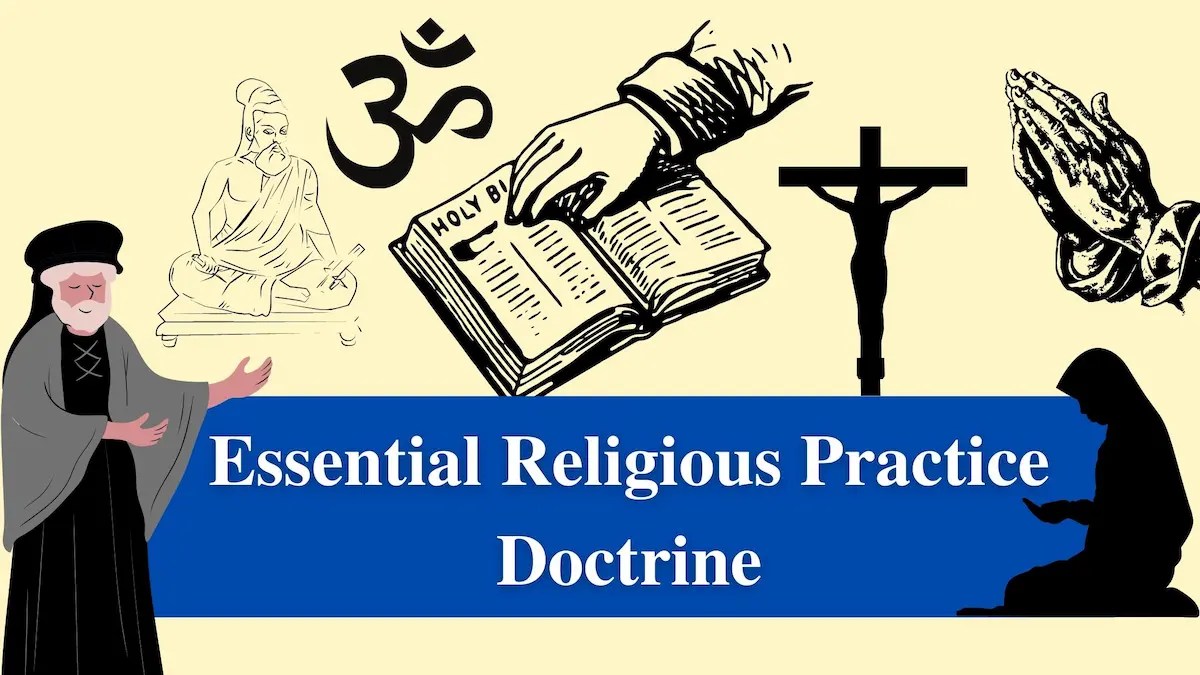
A term that has become important to understand after the High Court Judgment of Karnataka, yesterday is “essential religious practices”.It means all those practices that are fundamental to a religion and not following them would result in the change of religion itself.Tuesday’s judgment related the doctrine of essential religious practices to DR B R Ambedkar’s famous statement in the constituent Assembly during the discussion on the codification of Hindu Law.

A term that has become important to understand after the High Court Judgment of Karnataka, yesterday is “essential religious practices”. Karnataka High Court dismissed petitions filed by a group of Muslim girls seeking permission to wear hijab (headscarf) in classrooms. The petitioners argued that the wearing of the hijab is a part of the “essential religious practice” in Islam that is protected under Article 25 of the constitution. The court had come to a conclusion that it is not. The Second Angle will explain the definition of the essential practices in religion and its connection with Article 25. 

Defining Essential Religious Practices 

It means all those practices that are fundamental to a religion and not following them would result in the change of religion itself. Article 25 speaks of the freedom of conscience and free profession, practice and propagation of religion gets violated essential religious practices is denied. 

The National Supercomputing MissionAlso readThe National Supercomputing Mission

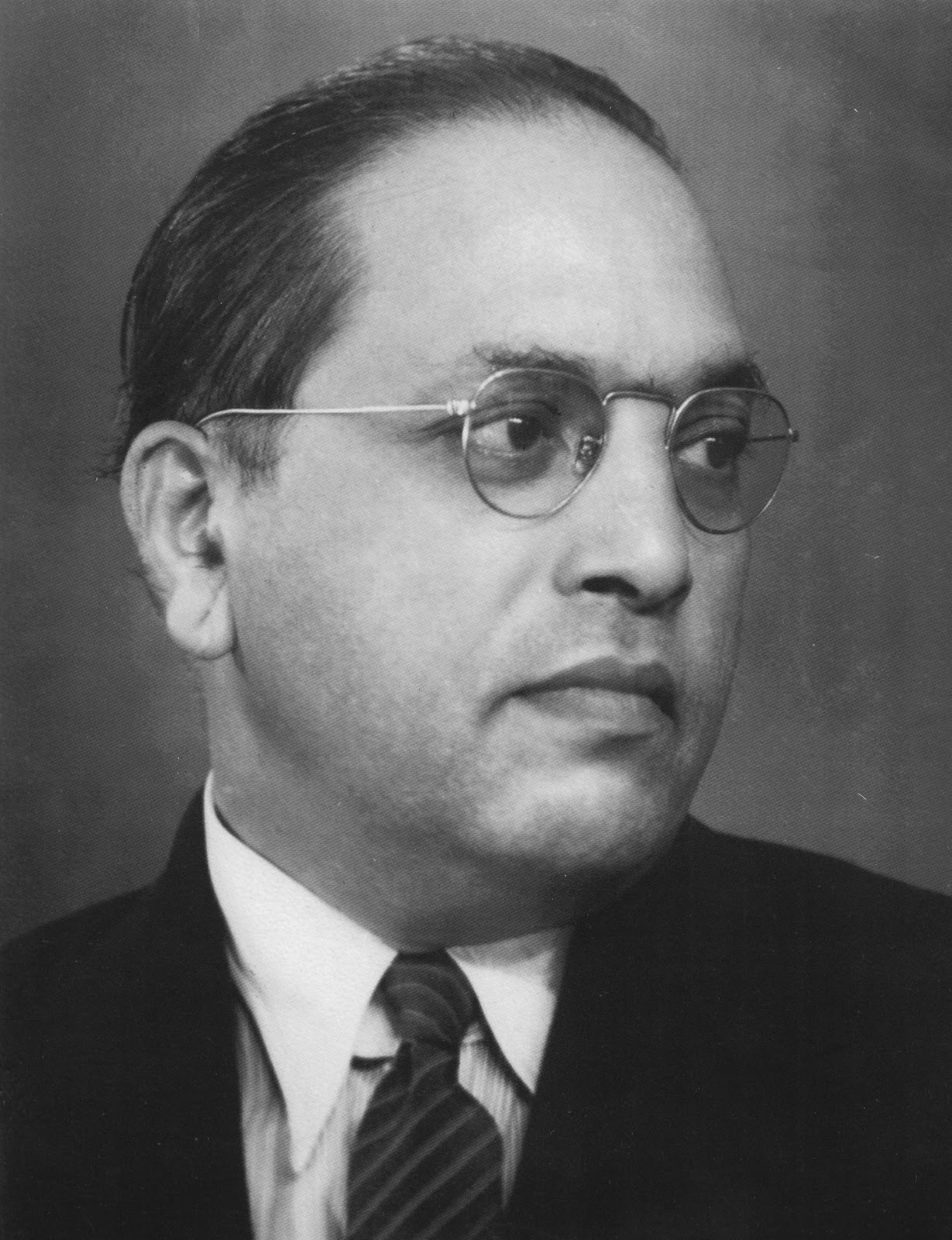
Tuesday’s judgment related the doctrine of essential religious practices to DR B R Ambedkar’s famous statement in the constituent Assembly during the discussion on the codification of Hindu Law. 
The inconsistency in interpreting the essentiality doctrine has harmed the minority
Image Source: wikipedia

He had said, “The religious…”The religious conceptions in this country are so vast that they cover every aspect of life from birth to death…there is nothing extraordinary in saying that we ought to strive hereafter to limit the definition of religion in such a manner that we shall not extend it beyond beliefs and such rituals as may be connected with ceremonials which are essentially religious…”   

This doctrine was interpreted differently in the Sabarimala issue of allowing women to enter the temple. The inconsistency in interpreting this doctrine is reflected in multiple judgments based on this doctrine. The majority except for one opined that women have the right to equality in accessing public places which include places of worship. 

History of interpreting essential practices

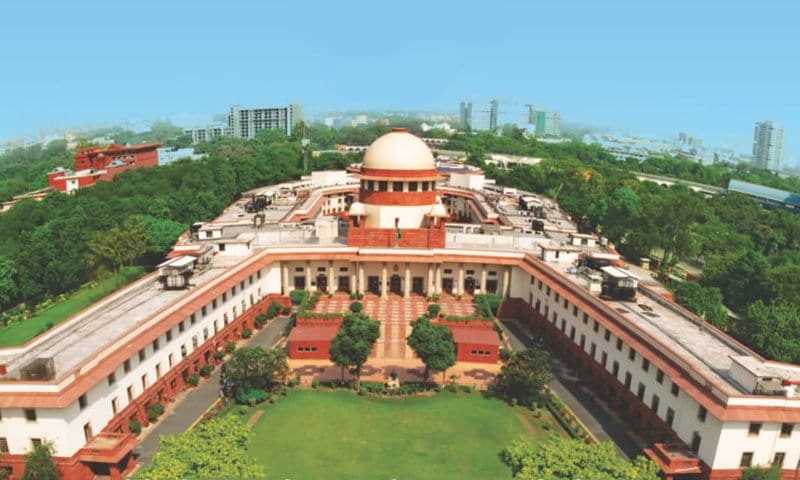
In 1954, the doctrine of “essentiality” came about by a seven-judge Bench of the Supreme Court in the ‘Shirur Mutt’. The court held that the term “religion” will cover all rituals and practices “integral” to a religion, and took upon itself the responsibility of determining the essential and non-essential practices of a religion.
The inconsistency in interpreting the essentiality doctrine has harmed the minority
Image Source: livelaw.in

However, this doctrine was interpreted differently last year. The Indian Express had explained in their article that how a Supreme Court Bench by a 2-1 majority declined to refer for reconsideration by a larger Bench the five-judge Constitution Bench judgment in ‘Dr M Ismail Faruqui and Ors vs Union Of India and Ors’ (October 24, 1994), which upheld the law under which the Centre acquired the disputed land in Ayodhya on which the Babri Masjid had stood. The Constitution Bench had ruled in 1994 that “A mosque is not an essential part of the practice of the religion of Islam and namaz (prayer) by Muslims can be offered anywhere, even in open.”

Religious issues and the contentious arguments around them keep coming up in front of the court. But historically it has failed at interpreting Islam further narrowing the doors of law for the minority. The approach has rather been selective. 

As Faizan Mustafa has pointed out in his article that in a case where a Muslim police officer challenged in Kerala High Court a regulation that did not permit him to grow a beard, the court, rather than looking at the question of essentiality of beard in Islam, rejected the petitioner’s plea by simply relying on the fact that certain Muslim dignitaries do not sport beards, and that the petitioner did not have a beard in his previous years of service. The court looked at the empirical evidence of the practice, rather than at religious texts. However, despite empirical evidence to the contrary, courts have denied protection to the animal sacrifice among Hindus, terming the practise as barbaric.

Shayara Bano
Image Source: hindustantimes

In the Shayara Bano Triple Talaq case, the Supreme Court held that Triple Talaq was against the basic tenets of the Qur’an and violative of the Shariat.

Does it mean that the doctrine can be used to curtail religious freedom? 

There are exceptions that allow the government to interfere and alter religious practices. The government can impinge upon essential religious practices on three grounds under Article 25(1): public order, morality or health. For example, during the pandemic, the government shut down mosques, temples and other places of worship.

Also Checkout: Karnataka HC’s judgement and the timeline of Hijab controversy

Enjoyed this story?Share it with your friends
WhatsAppLinkedInXFacebookEmail
See more TSA Mag stories on GoogleAdd us as a preferred source and our stories will show up more often in your Top Stories.
GAdd The Second Angle as a preferred source on Google
ShareSend
Tweet
Previous Post

Rom Coms for the old school romantics

Next Post

How India Treats AIDS

Related Posts

Shoppers carrying bags past a store window with sale signs during the holiday shopping season
Explainers

When Is Black Friday 2026? Thanksgiving and Cyber Monday Dates

When is Black Friday 2026? It is on November 27, after Thanksgiving on November 26. See Cyber Monday, the 1941...

Read moreDetails
Analogue alarm clock on a bedside table showing early morning time in autumn
Explainers

When Does Daylight Saving Time End in 2026? Date and Time

When does daylight saving time end 2026? Clocks fall back at 2 a.m. on Sunday, 1 November. States that skip...

Read moreDetails
7 Beautiful Train Routes That You Must Travel
Explainers

Why Are Train Coaches Different Colours? ICF vs LHB Explained

Why are train coaches different colours in India? Blue ICF, red LHB, green Garib Rath and Vande Bharat liveries, safety...

Read moreDetails
Persian Language in India: History, Legacy and Words We Still Use
Explainers

Persian Language in India: History, Legacy and Words We Still Use

How the Persian language in India rose from the 11th century, peaked under the Mughals, lost official status in 1837...

Read moreDetails
The Future of Tezos: Insights and Predictions
Explainers

The Future of Tezos: Insights and Predictions

In this article, we will explore the future of Tezos and make some predictions on what lies ahead for this...

Read moreDetails
What does Twitter look like under Elon Musk
Technology

What does Twitter look like under Elon Musk

Musk didn't have a business strategy when he chose to acquire Twitter; he only had some thoughts about how it...

Read moreDetails
Load More
Next Post
How India Treats AIDS

How India Treats AIDS

About

The Second Angle

The Second Angle (TSA Mag) is an infotainment and lifestyle magazine covering entertainment, travel, technology, health, education and finance.

Important Links

  • About The Second Angle
  • Advertise With Us
  • Editorial Policy
  • Privacy Policy
  • Terms and Conditions
  • Contact Us
  • Careers
  • Newsletter

Explore

  • Infotainment
  • Entertainment
  • Buzz
  • Education
  • Travel
  • Finance
  • Healthcare
  • Technology
Advertise with us

© 2017-2026. The Second Angle. All Rights Reserved. Developed and Managed by Squarebase.io

Welcome Back!

Login to your account below

Forgotten Password?

Retrieve your password

Please enter your username or email address to reset your password.

Log In
No Result
View All Result
  • Infotainment
    • Sports
    • People
    • Inspiring
  • Entertainment
    • Lifestyle
    • Home & Decoration
  • Buzz
  • Education
  • Travel
  • Finance
  • Healthcare
  • Technology

© 2017-2026. The Second Angle. All Rights Reserved. Developed and Managed by Squarebase.io

We use cookies to keep TSA fast and relevant. Read our Privacy Policy.