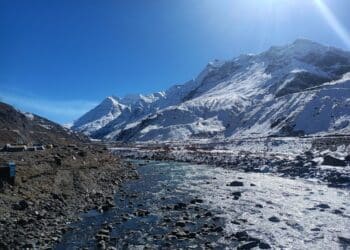



Five amazing treks in Himachal Pradesh are Triund for beginners, Hampta Pass and Buran Ghati for those with some experience, the Deo Tibba base camp walk near Manali, and the tough Pin Parvati Pass for seasoned trekkers. Together they cover the Dhauladhar, Pir Panjal and Great Himalayan ranges, from forest meadows to high desert.
Himachal Pradesh is one of India’s busiest trekking states, and the choice can feel overwhelming. This updated list keeps the treks readers come for, adds verified altitudes and routes, and includes the new safety rules that now apply in Kangra district. Always trek with a registered operator or an experienced guide, and check the weather before you start.
Quick facts: 5 amazing treks in Himachal Pradesh
| Trek | Highest point | Start | Level |
|---|---|---|---|
| Triund | About 2,850 m | Gallu temple, above Dharamkot | Easy to moderate |
| Hampta Pass | 4,270 m | Jobri, near Manali | Moderate |
| Buran Ghati | About 4,572 m | Janglik, Shimla district | Moderate to difficult |
| Deo Tibba base camp | Below the 6,001 m peak | Jagatsukh, near Manali | Moderate |
| Pin Parvati Pass | 5,319 m | Parvati valley, Kullu | Difficult |
1. Triund trek
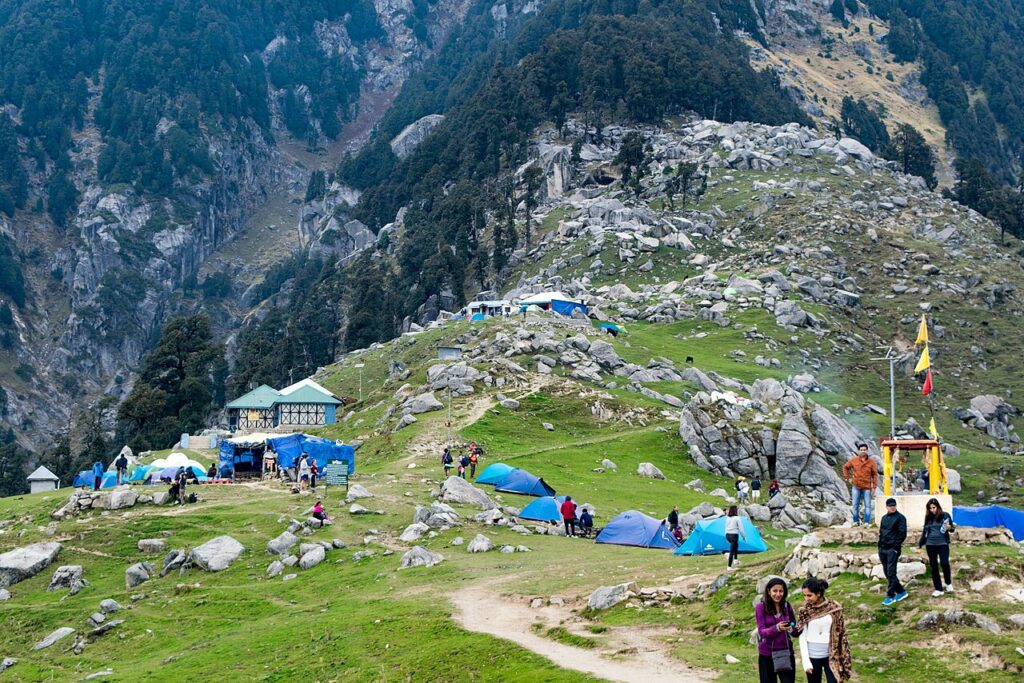
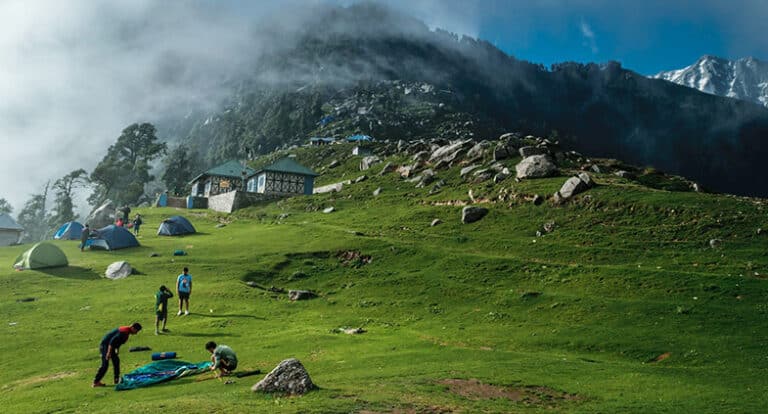
Triund is a grassy meadow at about 2,850 m on a spur of the Dhauladhar range, above McLeodganj in Kangra district. The trail starts at the Gallu temple above Dharamkot and climbs gradually through oak and rhododendron forest. The last stretch before the meadow is steep and zigzags up the slope.
 Also read7 Cheap Foreign Trips From India: Budget Guide for 2026
It is the most popular first trek in the state, with wide views of the Dhauladhar peaks on one side and the Kangra valley on the other. Gaddi herders have long used Triund as a halt on the way to Indrahar Pass, which experienced trekkers can continue to. McLeodganj below, known as “Little Lhasa” for its Tibetan community, is a good base.
Updated for 2026: Since November 2025, the Kangra district administration has required every trekker to register at check posts on 10 routes, including one at Gallu temple, The Tribune reported. Trekking without registration can lead to action under the Disaster Management Act.
2. Hampta Pass
Hampta Pass, at 4,270 m, links the green Kullu valley with the dry, rocky Lahaul region. The trek starts at Jobri, a short drive from Manali, and usually takes 3 to 4 days. Peaks such as Deo Tibba and Indrasan, both around 6,000 m, rise nearby.
The appeal is the sudden change in scenery after the pass, from forests and meadows to a barren high desert. The route involves stream crossings and glacier sections, so it suits fit beginners who go with a guide. Many groups add a visit to Chandratal lake at the end, depending on road conditions.
3. Buran Ghati
Buran Ghati starts at Janglik village, reached by road from Shimla, and crosses a pass at about 15,000 ft (4,572 m) before dropping to Barua village. Indiahikes lists it as a seven-day, roughly 40 km trek rated moderate to difficult, with only the pass day being truly hard.
Campsites include the Dayara meadow, reached through pine and oak forest, and Litham, close to the Chandranahan waterfall. An acclimatisation walk leads to the glacial Chandranahan lake. In early summer, trekkers rappel down a snow wall on the far side of the pass. In autumn the snow melts and the descent is over boulders. Indiahikes suggests mid-May to June and mid-September to mid-October as the best windows.
4. Deo Tibba base camp
Deo Tibba is a 6,001 m peak in the Pir Panjal range, south-west of Manali and above Jagatsukh village. It was first climbed in 1952. The base camp trek lets non-climbers walk into this valley without the ropes, crampons and ice axes needed for the summit.
The trek gives close views of Deo Tibba and its neighbour Indrasan (6,221 m), along with glaciers and alpine meadows full of wildflowers in season. It is shorter than the pass treks on this list, but it still goes to high altitude, so plan proper acclimatisation.
5. Pin Parvati Pass
Pin Parvati Pass, at 5,319 m, connects the Parvati valley in Kullu with the Pin valley in Spiti, ending near Mud village. Records show it was first crossed in August 1884 by Sir Louis Dane, who was looking for another route to Spiti. Shepherds from Spiti had used it long before to graze sheep in the Parvati valley.
This is the hardest trek on the list. It moves from green forest and the Parvati river to the bare, cold terrain of Spiti, and the culture shifts from Hindu villages to Buddhist ones. Only experienced, fit trekkers with a professional team should attempt it.
Safety tips before you go
- Register: In Kangra district, register at the check post before starting. Ask your operator about rules on other routes.
- Group size: Kangra has capped groups at 10 trekkers per guide and asked for GPS tracking on expeditions, according to The Tribune.
- Weather: Avoid high passes in the monsoon and after early snowfall. Districts can close high-altitude routes at short notice.
- Acclimatise: Ascend gradually, drink water and turn back if you feel symptoms of altitude sickness.
Find more ideas in our travel section and fitness reads in health.
Frequently asked questions
Which is the easiest trek in Himachal Pradesh?
Triund is the easiest well-known trek. It can be done in a day from McLeodganj, though many people stay overnight. Registration at the Gallu temple check post is now required.
Which is the toughest trek in Himachal Pradesh?
Pin Parvati Pass, at 5,319 m, is among the toughest. It is long, remote and suited only to experienced trekkers with a professional support team.
Is registration required for trekking in Himachal?
In Kangra district, yes. Since November 2025, trekkers must register at check posts on 10 routes. Rules differ by district, so check with local authorities or your operator.
What is the best time for Hampta Pass and Buran Ghati?
Both are summer and early autumn treks. Indiahikes recommends mid-May to June and mid-September to mid-October for Buran Ghati.
Sources: The Tribune, Kangra check posts, Indiahikes, Buran Ghati, Hampta Pass, Wikipedia, Pin Parvati Pass, Wikipedia.