

• About   |
  • Submit Guest Post |
  • Contact Us
No Result
View All Result
The Second Angle (TSA Magazine)
Advertise
  • Infotainment
    • Sports
    • People
    • Inspiring
  • Entertainment
    • Lifestyle
    • Home & Decoration
  • Buzz
  • Education
  • Travel
  • Finance
  • Healthcare
  • Technology
The Second Angle
No Result
View All Result
  • Infotainment
  • Entertainment
  • Buzz
  • Education
  • Travel
  • Finance
  • Healthcare
  • Technology
Advertisement
ADVERTISEMENT
Home World News

Microplastics Pollutions Found On Mount Everest: Study

by The Second Angle Crew
June 11, 2021
in World News, News, offbeat
Reading Time: 3 mins read
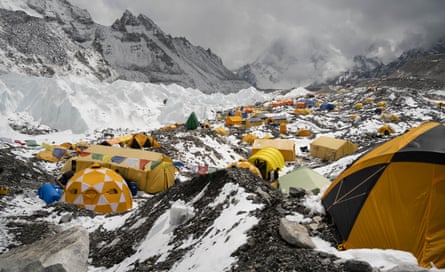
Microplastics Pollutions Found On Mount Everest: Study

Image Credit: National Geographic

Share on FacebookShare on WhatsApp
Advertisement Advertisement Advertisement
ADVERTISEMENT

Microplastics – tiny plastic fibres – were found within a radius of more than a hundred metres on the world’s highest mountain at the location of 27,500 feet around the spot called the balcony which is just a few hours climb from Everest’s peak. The study found that the snow samples collected from 11 locations between base camp and the balcony on the Himalayan peak contained a sufficient amount of microplastic fibres that could cause pollution.

Microplastics Pollutions Found On Mount Everest: Study
Image Credit: The Source Magazine

Among the reasons, scientists mentioned the higher amount of microplastic fibres could be due to the synthetic clothes and equipment used by mountaineers during trekking. Synthetic fibres are estimated to shed 400 microplastic fibres for every gram of synthetic clothing every 20 minutes.
Nepal has banned the use of single-use plastics in the region surrounding Everest, however, materials like polyester, acrylic, nylon, and polypropylene that constitute microplastics pollution continue to accumulate surrounding the world’s highest mountain. It’s also possible winds carry additional microplastics to the mountain, Paul Mayewski, leader of the expedition, said in a statement.

Imogen Napper, who studies marine litter at the University of Plymouth, added, “It surprised me to find microplastics in every single snow sample I analyzed. Mount Everest is somewhere I have always considered remote and pristine. To know we are polluting near the top of the tallest mountain is a real eye-opener.”

Microplastics Pollution
Image Credit: The Guardian

The foul act of littering which results in various kinds of pollution including plastic pollution on the Everest has been a concern raised for a long time now, the studies regarding the same are the first to mention the effects of microplastic pollution. These pollutant plastic fibres are too small to be collected and dumped.
Microplastics pollution is expanding as a serious threat even to the most remote places of the planet such as drilled ice cores in the Arctic and the deepest point in the ocean, the Mariana Trench in the Pacific Ocean, as well as in the respiratory and digestive tract of deep-sea creatures.

Victor Vescovo, an explorer who undertook the deepest dive ever made by a human inside a submarine to the trench, said in an interview that “It was very disappointing to see obvious human contamination of the deepest point in the ocean.” Scientists have warned about the plastic pollution exceeding too deep in the oceans causing aquatic creatures to choke. Microplastics are found in the guts of deep-dwelling ocean mammals such as Whales.

RelatedPosts

Hizbah Enters Indian Fashion With a Youth-Led Ethnic Streetwear Approach

Hizbah Enters Indian Fashion With a Youth-Led Ethnic Streetwear Approach

Why Fit People Are Still Getting Heart Issues

Why Fit People Are Still Getting Heart Issues

As we are more prone to come in contact with microplastics day by day, Napper said in the statement that the high-elevation find was an eye-opener, “We have now found it from the bottom of the deep sea, all the way to nearly the summit of the highest mountain on Earth.” He added that given how ubiquitous microplastics had become in the environment, it was important to focus on appropriate environmental solutions. She further mentioned, reducing, reusing, and recycling plastic waste is important – as was nudging consumers to shift to using natural fibres like cotton.

In a recent study earlier this year, WWF (World Wide Funds for Nature) found that an average person consumes at least 5 grams of plastics per week, which is equivalent to the size of a credit card.

Our World is at the stake of being polluted more and more every day and all the reasons are man-made. There are merely some human activities that aren’t ruining our planet. It’s time for everyone on the Earth to seriously take over the task of retrieving nature or otherwise things will be out of our hands. Remember, Earth is the only home we got. So pledge to switch to eco-friendly products and say no to plastics.

Table of Contents
Read:
CREO – A Secretive Non-Profit Club Of The World’s Elite Combating Climate Change

 

ShareSendTweet
Previous Post

‘Wall Of Kindness’: An Initiative By Kashmir Police To Help Those In Need

Next Post

34-year-old Kavita Bhondwe, Maharashtra’s specially-abled woman elected as Sarpanch of 2 villages

Related Posts

Hizbah Enters Indian Fashion With a Youth-Led Ethnic Streetwear Approach
Lifestyle

Hizbah Enters Indian Fashion With a Youth-Led Ethnic Streetwear Approach

Hizbah has announced its entry into India’s fashion market with a clear focus on youth-led ethnic streetwear designed for daily...

Read moreDetails
Why Fit People Are Still Getting Heart Issues
offbeat

Why Fit People Are Still Getting Heart Issues

For a long time, we’ve believed that being fit is equal to being healthy—especially when it comes to the heart.If...

Read moreDetails
What Fixed Income Investors Should Watch This Quarter
Finance

What fixed-income investors should watch this quarter

Every quarter brings new developments that can impact fixed-income investments. Interest rates, inflation trends, and liquidity conditions constantly shift, influencing...

Read moreDetails
Understanding NAV fluctuations in fixed-income funds
Finance

Understanding NAV fluctuations in fixed-income funds

Fixed-income funds, commonly known as debt mutual funds, invest in securities such as government bonds, corporate bonds, treasury bills, and...

Read moreDetails
Fixed rate vs floating rate debt funds explained
Finance

Fixed Rate vs Floating Rate Debt Funds Explained

Debt mutual funds, also known as fixed income funds, play an important role in many investment portfolios because they focus...

Read moreDetails
5 Best Locations to Visit On Your Dream Culinary Vacation
Travel

5 Best Locations to Visit On Your Dream Culinary Vacation

This year may well be the ideal time to finally have that dream vacation you’ve been talking about and perhaps...

Read moreDetails
Load More
Next Post
Kavita Bhondwe, Maharashtra’s specially-abled woman elected as Sarpanch

34-year-old Kavita Bhondwe, Maharashtra’s specially-abled woman elected as Sarpanch of 2 villages

Important Links

  • About
  • Guest Post
  • Privacy Policy
  • Terms
  • Contact Us
  • Newsletter

© 2017-23. The Second Angle. All Rights Reserved. Developed and Managed by SquareBase.io

Welcome Back!

Login to your account below

Forgotten Password?

Retrieve your password

Please enter your username or email address to reset your password.

Log In
No Result
View All Result
  • Infotainment
    • Sports
    • People
    • Inspiring
  • Entertainment
    • Lifestyle
    • Home & Decoration
  • Buzz
  • Education
  • Travel
  • Finance
  • Healthcare
  • Technology

© 2017-23. The Second Angle. All Rights Reserved. Developed and Managed by SquareBase.io

This website uses cookies. By continuing to use this website you are giving consent to cookies being used. Visit our Privacy and Cookie Policy.