

• About   |
  • Advertise |
  • Contact Us
No Result
View All Result
The Second Angle (TSA Magazine)
Advertise
  • Infotainment
    • Sports
    • People
    • Inspiring
  • Entertainment
    • Lifestyle
    • Home & Decoration
  • Buzz
  • Education
  • Travel
  • Finance
  • Healthcare
  • Technology
The Second Angle
No Result
View All Result
  • Infotainment
  • Entertainment
  • Buzz
  • Education
  • Travel
  • Finance
  • Healthcare
  • Technology
Advertisement Advertisement Advertisement
ADVERTISEMENT
Home Education

Peeping Deep Into “Color Blindness”

Color blindness makes it difficult to distinguish between different hues most of the time.

by TSA Desk
April 18, 2022
in Education
Reading Time: 3 mins read
Peeping Deep Into “Color Blindness”
Share on FacebookShare on WhatsApp
Advertisement Advertisement Advertisement
ADVERTISEMENT
3 min readGAdd The Second Angle as a preferred source on Google
Key takeaways
A Scientific Explanation: Color vision deficit (sometimes known as color blindness) is a term used to describe a set of diseases...Frequency: The most frequent type of color vision deficit is red-green color vision deficiency.Inheritance: Blue cone monochromacy and red-green color vision impairments are inherited in an X-linked recessive manner.Treatment: Color blindness that is passed down in families has no treatment, although most people learn to live with...

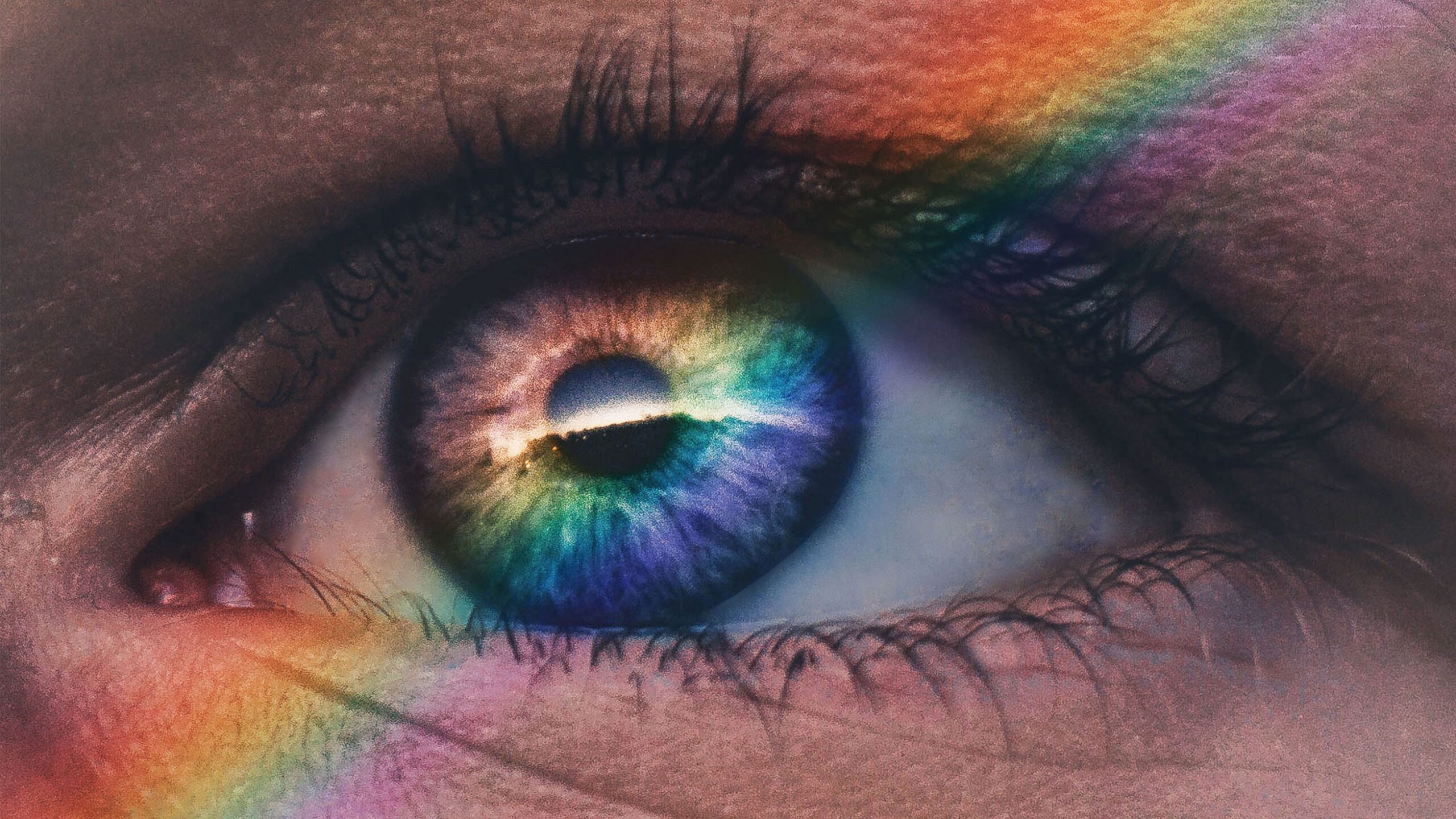
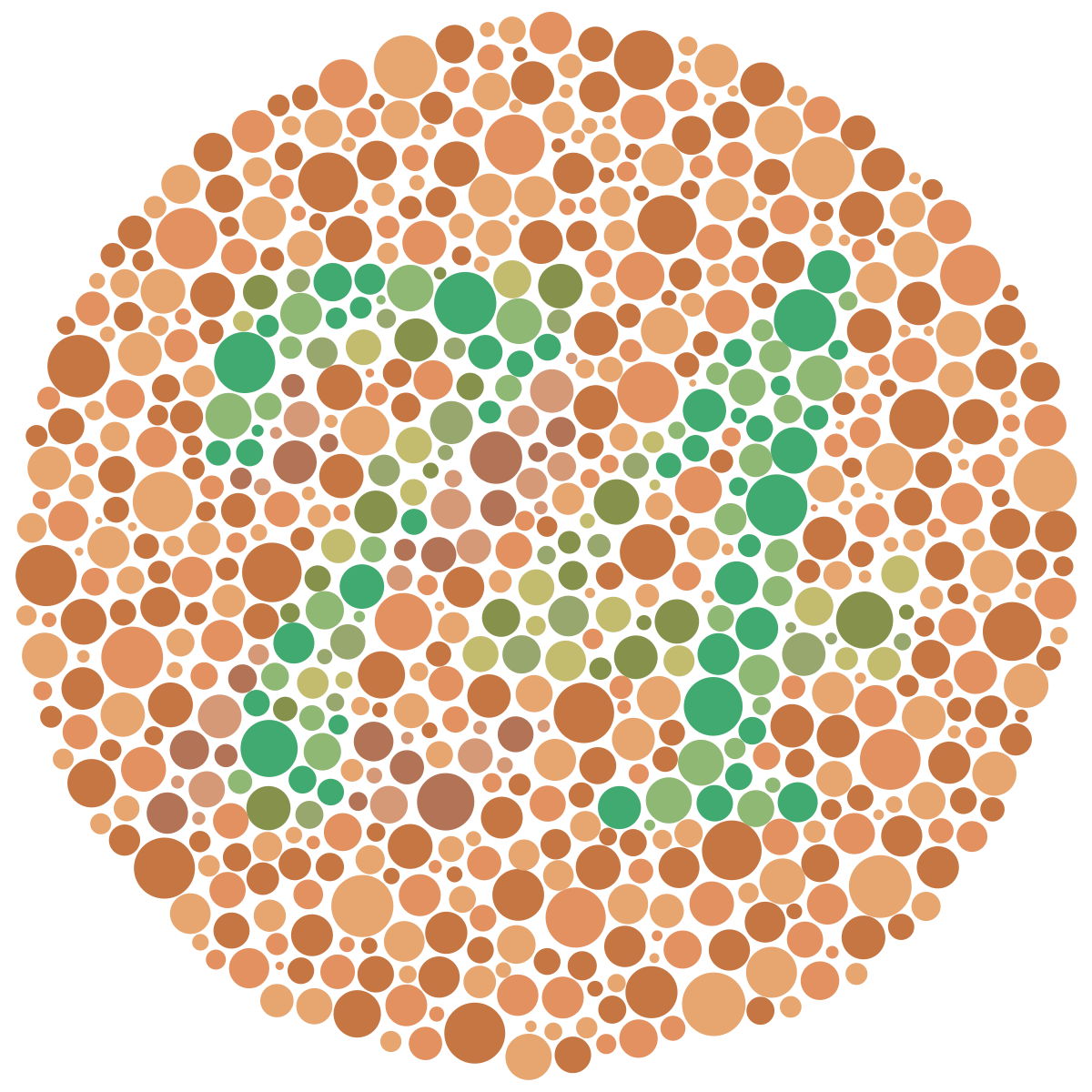
Color blindness is a condition in which you view colors differently than most people. Color blindness makes it difficult to distinguish between different hues most of the time. The most common type of color blindness makes distinguishing between red and green difficult.

Another variety makes distinguishing between blue and yellow difficult. Colorblind people are unable to perceive color at all, however, this is a rare occurrence.

Table of Contents
  • A Scientific Explanation
  • Frequency 
  • Inheritance
  • Treatment 

A Scientific Explanation

Color vision deficit (sometimes known as color blindness) is a term used to describe a set of diseases that impact color perception. The most frequent type of color vision deficit is red-green color vision deficiency. Some colors of red, yellow, and green are difficult to identify for those who are affected.

The Need For Entrepreneurship Education!Also readThe Need For Entrepreneurship Education!

Rarer blue-yellow color vision impairments (also known as triton defects) cause trouble identifying shades of blue and green, as well as difficulty distinguishing dark blue from black.

Color perception is disrupted in these two types of color vision loss, although eyesight sharpness is unaffected (visual acuity).
 Peeping Deep Into “Color Blindness”
Image Source: uxcollective

Blue cone monochromacy is a less common and more severe kind of color vision impairment that results in very poor visual acuity and substantially diminished color vision. Additional vision difficulties, such as greater sensitivity to light, can affect those who are affected (photophobia),

Frequency 

The most frequent type of color vision deficit is red-green color vision deficiency. Males are affected far more frequently than females. It affects roughly 1 in 12 males and 1 in 200 females in groups with Northern European heritage.

Almost all other populations tested have a lower incidence of red-green color vision impairments. Males and females are both affected by blue-yellow color vision impairments. This illness affects less than one out of every 10,000 people on the planet. 

Blue cone monochromacy is a type of color vision defect that affects roughly 1 in 100,000 persons around the world. Males are substantially more likely than females to suffer from blue cone monochromacy, which is similar to red-green color vision problems.
 Peeping Deep Into “Color Blindness”
Image Source: wikipedia

Inheritance

Blue cone monochromacy and red-green color vision impairments are inherited in an X-linked recessive manner. The OPN1LW and OPN1MW genes are found on one of the two sex chromosomes, the X chromosome. One genetic mutation in each cell is enough to create the disease in males (who have only one X chromosome).

Males are affected with X-linked recessive illnesses far more commonly than females because a genetic mutation on both copies of the chromosome in females (who have two X chromosomes) is required to cause the disorder. Fathers cannot pass on X-linked features to their sons, which is a feature of X-linked inheritance.

 Peeping Deep Into “Color Blindness”
Image Source: allaboutvision

Treatment 

Color blindness that is passed down in families has no treatment, although most people learn to live with it. Children with color blindness may require assistance with specific instructional activities, while adults with color blindness may be unable to perform particular tasks, such as piloting or designing graphics.

Keep in mind that color blindness, for the most part, does not cause major problems. Your doctor will address the disease that is causing your color blindness if it is caused by another health concern.

 Peeping Deep Into “Color Blindness”
Image Source: netmeds

If you’re using a medication that causes color blindness, your doctor may reduce the dosage or recommend switching to a different medication. 

There are equipment and technology that can aid if color blindness is causing difficulty with everyday chores, such as Glasses/Contacts and Visual aids.

Also Read: The Need For Entrepreneurship Education!

Source: TheEducationDaily

Enjoyed this story?Share it with your friends
WhatsAppLinkedInXFacebookEmail
See more TSA Mag stories on GoogleAdd us as a preferred source and our stories will show up more often in your Top Stories.
GAdd The Second Angle as a preferred source on Google
ShareSend
Tweet
Previous Post

Top 10 Most Expensive Cat Breeds in the World

Next Post

Movies you can watch on Disney+ Hotstar for a nice long cry session

Related Posts

An Air India aircraft at Netaji Subhas Chandra Bose International Airport, Kolkata
Education

Do Pilots Earn a Lot in India? Salary, Training and the Road to the Cockpit

How much pilots earn in India, what Air India pays captains according to recent reports, how to become a commercial...

Read moreDetails
A woman researcher holding a model in a laboratory
Education

Career Choices for INTP Women: 8 Paths That Suit the Personality

Career options that tend to suit INTP women, from research and software to architecture and writing, and how to use...

Read moreDetails
Jawaharlal Nehru University campus in New Delhi
Education

7 Benefits of Studying at a Central University in India

What makes central universities in India worth choosing: funding, fees, faculty, diversity, research and campus life, plus how admission through...

Read moreDetails
Student holding a school marksheet and certificate papers at a desk
Education

CBSE Duplicate Marksheet Online: DigiLocker, DADS, Fees and Steps

How to get a CBSE duplicate marksheet online through DigiLocker or the DADS portal, with fees, documents needed, offline route...

Read moreDetails
Student converting CGPA on a marksheet to percentage with a calculator
Education

CGPA to Percentage Formula: CBSE and University Rules Explained

CGPA to percentage formula for CBSE (CGPA x 9.5) and verified university rules for Anna University, KTU and JUT, with...

Read moreDetails
College student creating an Academic Bank of Credits ID on a laptop
Education

How to Create ABC ID: Academic Bank of Credits Guide 2026

How to create ABC ID on DigiLocker step by step, how Academic Bank of Credits stores credits, the APAAR link,...

Read moreDetails
Load More
Next Post
Movies you can watch on Disney+ Hotstar for a nice long cry session

Movies you can watch on Disney+ Hotstar for a nice long cry session

About

The Second Angle

The Second Angle (TSA Mag) is an infotainment and lifestyle magazine covering entertainment, travel, technology, health, education and finance.

Important Links

  • About The Second Angle
  • Advertise With Us
  • Editorial Policy
  • Privacy Policy
  • Terms and Conditions
  • Contact Us
  • Careers
  • Newsletter

Explore

  • Infotainment
  • Entertainment
  • Buzz
  • Education
  • Travel
  • Finance
  • Healthcare
  • Technology
Advertise with us

© 2017-2026. The Second Angle. All Rights Reserved. Developed and Managed by Squarebase.io

Welcome Back!

Login to your account below

Forgotten Password?

Retrieve your password

Please enter your username or email address to reset your password.

Log In
No Result
View All Result
  • Infotainment
    • Sports
    • People
    • Inspiring
  • Entertainment
    • Lifestyle
    • Home & Decoration
  • Buzz
  • Education
  • Travel
  • Finance
  • Healthcare
  • Technology

© 2017-2026. The Second Angle. All Rights Reserved. Developed and Managed by Squarebase.io

We use cookies to keep TSA fast and relevant. Read our Privacy Policy.