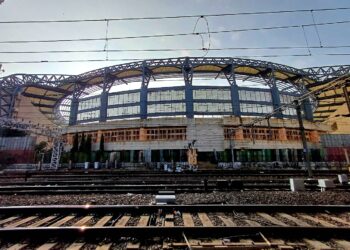




The Vatican condemned the Paris Olympics opening ceremony in a statement issued late on 3 August 2024, saying it was saddened by certain scenes that offended Christians and believers of other faiths. The criticism centred on a segment many viewers read as a parody of Leonardo da Vinci’s The Last Supper. Organisers apologised and said no offence was intended.
The Paris 2024 opening ceremony was held on 26 July 2024 along the River Seine, the first Summer Olympics opening ceremony staged outside a stadium. It was widely praised for its scale and staging, but one tableau set off a global debate on art, religion and free expression. Here is what happened and what is known now. For more on trending stories, visit our buzz section.
Quick facts: the Paris Olympics opening ceremony row
| Detail | Fact |
|---|---|
| Event | Paris 2024 Summer Olympics opening ceremony |
| Date | 26 July 2024 |
| Artistic director | Thomas Jolly |
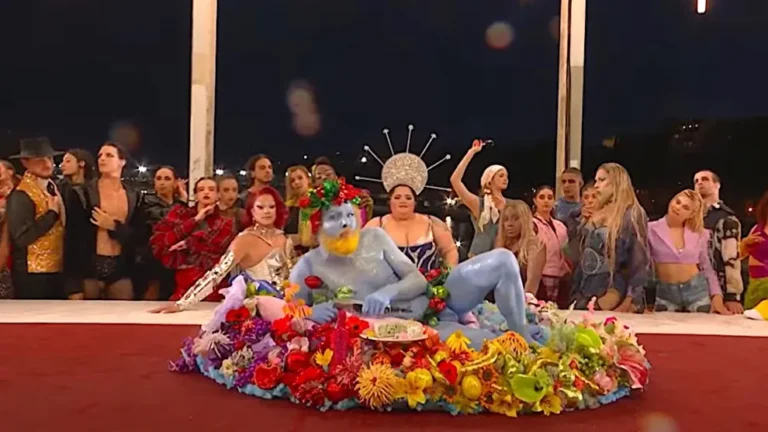
| Disputed segment | A banquet scene in the “Festivité” section, with drag artists and singer Philippe Katerine as Dionysus |
| Organisers’ apology | 28 July 2024 |
| Vatican statement | Late on 3 August 2024, issued by the Holy See Press Office |
What happened at the opening ceremony
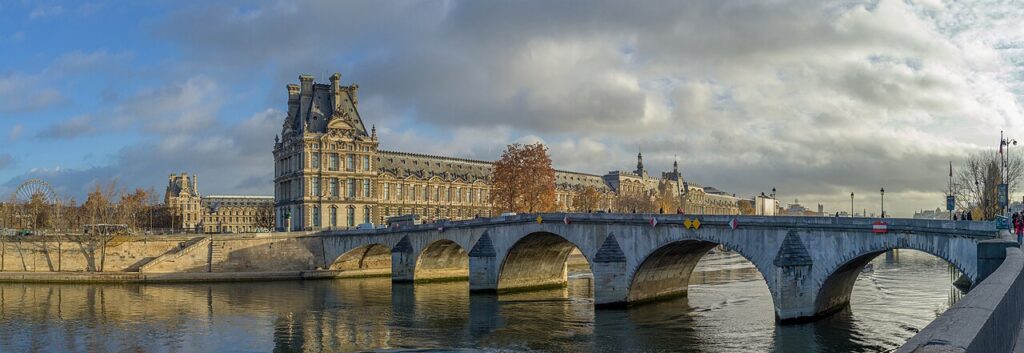
The ceremony was split into themed sections performed along the Seine and at landmarks across Paris. In the section titled “Festivité”, drag performers, dancers and a DJ were arranged along a long table on a bridge. French singer Philippe Katerine then appeared, painted blue and almost bare, playing Dionysus, the Greek god of wine and celebration.
 Also readJosh Hartnett’s Most Embarrassing Moment: The Pearl Harbor Scene
Many viewers, including Christian groups and conservative politicians in several countries, felt the arrangement of figures at the table resembled The Last Supper, the famous painting of Jesus and his apostles. They saw it as mocking a central image of Christianity.
Who criticised the scene
The Catholic bishops of France were among the first to object, saying the ceremony contained scenes of mockery of Christianity. Church leaders in other countries, Christian organisations and several politicians added their voices over the following days.
Criticism also came from some Muslim and other faith groups, who said religious imagery should not be used in a way that offends believers. On the other side, many artists, commentators and LGBTQ+ groups defended the ceremony as a celebration of diversity and creative freedom.
How the organisers responded
On 28 July 2024, a Paris 2024 spokesperson said at a press conference that there was never an intention to show disrespect to any religious group, and apologised to anyone who was offended.
Thomas Jolly said the scene was not inspired by The Last Supper. He described it as a large pagan feast linked to the gods of Olympus, a nod to the Greek origins of the Games. He said the aim was to celebrate inclusion and the values of the French Republic, not to shock or mock.
What the Vatican statement said
The Holy See Press Office released a short statement in French more than a week after the ceremony. The main points were:
- The Holy See said it was saddened by certain scenes during the ceremony.
- It joined others who had spoken out about the offence caused to many Christians and believers of other religions.
- It said a prestigious event that brings the world together around shared values should not include allusions that ridicule people’s religious beliefs.
- It added that freedom of expression is not being questioned, but it finds its limit in respect for others.
The statement did not name any performer or the artistic director. It came after days of public pressure from Catholic commentators who had asked the Vatican to speak.
The art history debate
Several art historians and journalists pointed to a different source for the image. They compared the scene with The Feast of the Gods, a 17th century painting by the Dutch artist Jan van Bijlert, which shows the gods of Olympus at a banquet with a figure of Dionysus. Others noted that the ceremony section focused on Dionysus and on Sequana, the goddess of the Seine.
Critics replied that, whatever the intention, the composition looked close enough to The Last Supper to cause offence. The debate showed how the same image can be read very differently by different audiences.
What happened after
Some performers and the artistic director said they received abusive messages online after the ceremony. DJ Barbara Butch, who appeared at the centre of the table, filed a legal complaint over online harassment, according to reports at the time, and French authorities looked into threats sent to people linked to the show.
The Games continued without further disruption, and the wider ceremony is still remembered for moments such as the performances by Lady Gaga, Celine Dion and the band Gojira. The debate over this one scene, however, became one of the most discussed controversies of Paris 2024. Read more about global events and culture in our infotainment section.
Frequently asked questions
Why did the Vatican condemn the Paris Olympics opening ceremony?
The Vatican said it was saddened by scenes it felt offended Christians and other believers, mainly a banquet scene many saw as a parody of The Last Supper.
When did the Vatican issue its statement?
The Holy See Press Office issued the statement late on 3 August 2024, about eight days after the ceremony.
Was the scene meant to be The Last Supper?
Artistic director Thomas Jolly said no. He said it showed a pagan feast of the Greek gods, with Dionysus at the centre.
Did Paris 2024 apologise for the opening ceremony?
Yes. A Paris 2024 spokesperson apologised on 28 July 2024 to anyone who felt offended, saying no disrespect was intended.
Sources: Catholic News Service via USCCB, Wikipedia: 2024 Summer Olympics opening ceremony, Holy See Press Office.