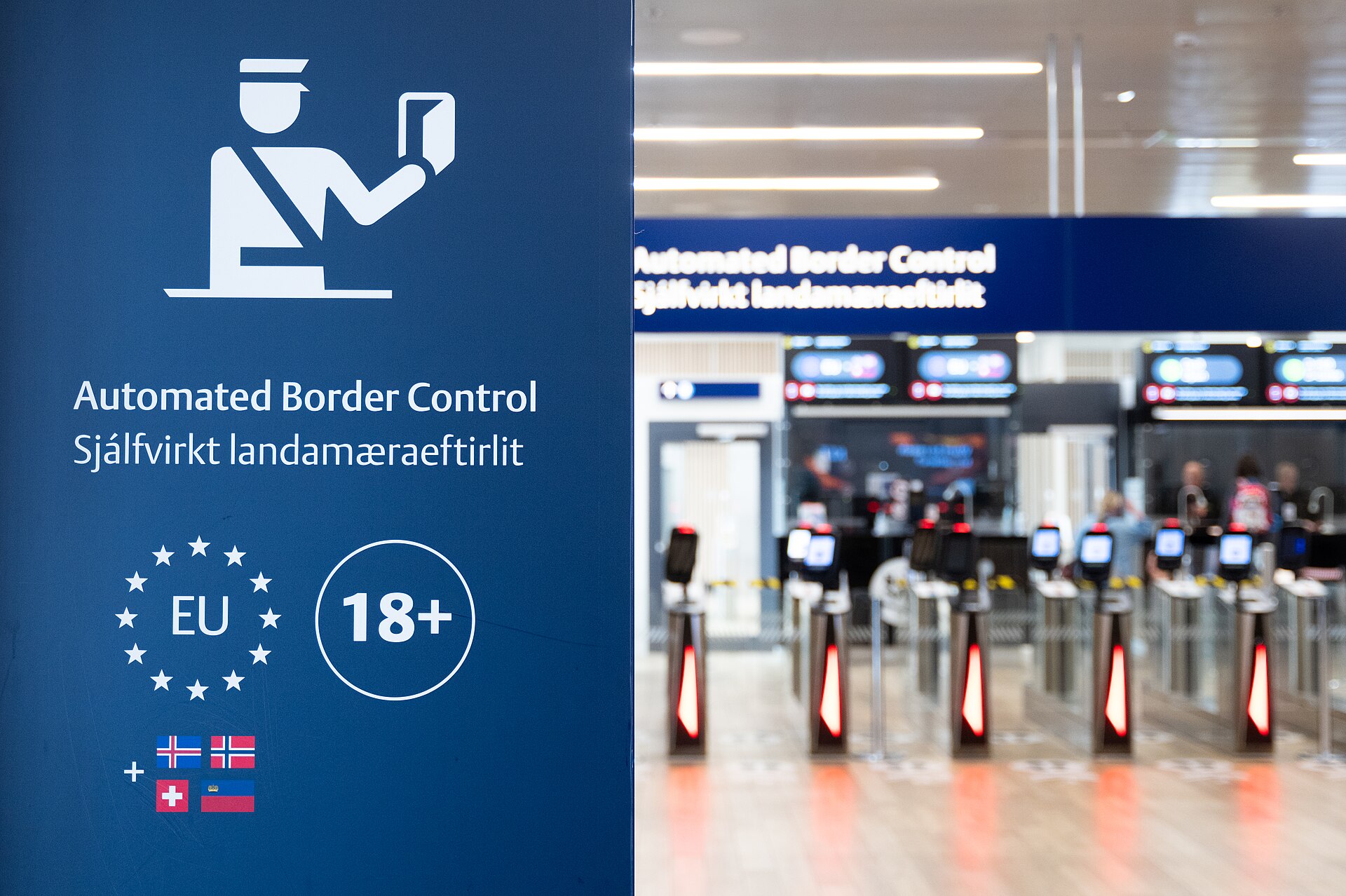

The EU Entry/Exit System (EES) is a digital border register that records non-EU visitors each time they enter or leave 29 European countries. It started on 12 October 2025, became fully operational on 10 April 2026 and replaces passport stamps. First-time travellers give four fingerprints and a facial photo at the border.
EES is separate from ETIAS, the €20 online travel authorisation the EU has been planning for years. As of October 2026, ETIAS is still not running and has no confirmed start date. The sections below explain how both systems work, who is affected and what to expect at passport control.
- What is the EU Entry/Exit System?
- When did EES start and what is its status in October 2026?
- Which countries use EES?
- Who does EES apply to?
- Who is exempt from EES?
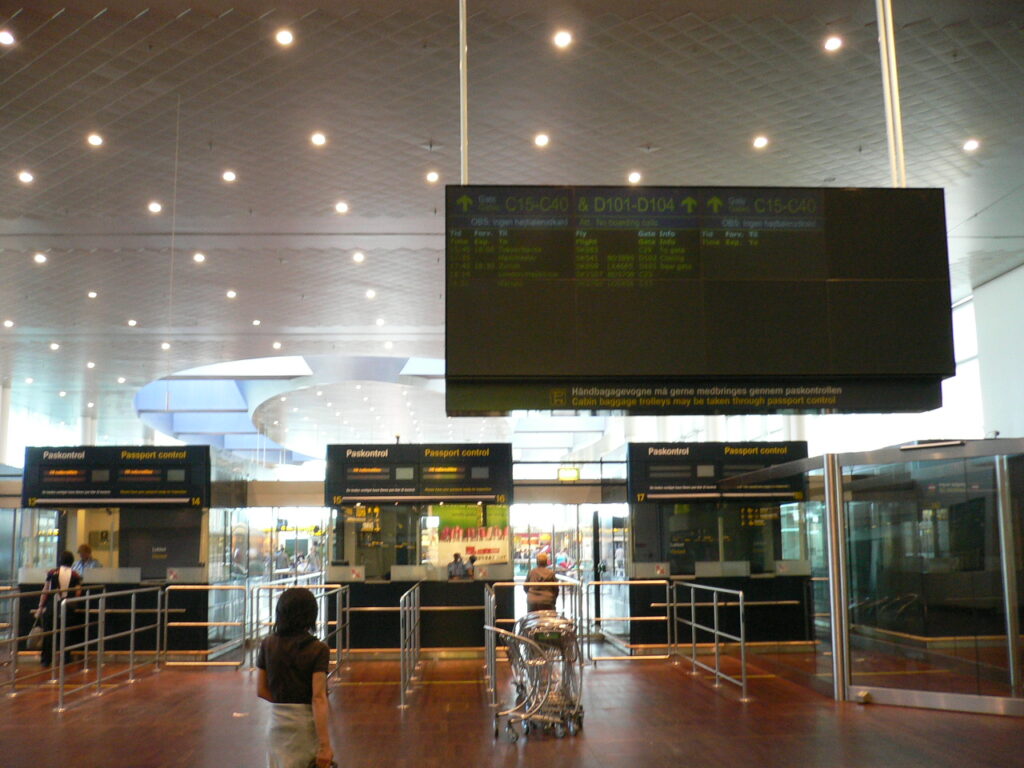
- What happens at the border under EES?
- Does EES affect travel from the UK by ferry and Eurostar?
- How long is EES data kept?
- How does EES relate to ETIAS?
- When will ETIAS start? The latest timeline
- How much will ETIAS cost?
- Practical tips for travelling to Europe now
- Frequently asked questions
What is the EU Entry/Exit System?
EES is an automated IT system run by the EU. It registers non-EU nationals travelling for a short stay, which means up to 90 days in any 180-day period, when they cross the external borders of participating countries. It applies whether you need a visa or not.
 Also readTop 10 Must-Visit Forts And Palaces In Rajasthan
Each record holds your name, passport details, fingerprints, a facial image, the date and place of each entry and exit, and any refusal of entry. The system then works out automatically how many days you have used of your 90-day allowance, a job border guards used to do by counting stamps.
According to the European Commission, the aim is to speed up checks over time, spot people who overstay and detect identity and document fraud.
When did EES start and what is its status in October 2026?
The European Commission set 12 October 2025 as the start date for a progressive launch. Countries were allowed to phase the system in at their border crossing points over six months, so some travellers were registered in late 2025 while others were still stamped.
That transition ended on 10 April 2026. Since then, EES has been fully operational at every external border of the participating countries, and it has replaced manual passport stamping for detecting overstays.
The full rollout has not been smooth. During summer 2026, airports reported long queues and missed flights. On 1 July 2026, the airport body ACI Europe and the airline groups A4E and IATA wrote to the Commission President asking for urgent action. EU officials accepted that some border points had serious queue problems but said suspending the system was neither needed nor possible.
| EES at a glance | Details |
|---|---|
| Progressive start | 12 October 2025 |
| Fully operational | 10 April 2026 |
| Countries using it | 29 (25 EU states plus Iceland, Liechtenstein, Norway, Switzerland) |
| Not using it | Cyprus and Ireland |
| Who is registered | Non-EU nationals on short stays (up to 90 days in 180) |
| Data taken | Passport details, four fingerprints, facial image, entry and exit dates |
| Fingerprints from | Age 12 and over |
| Cost to travellers | Free |
| Data kept for | 3 years after last exit (5 years if you overstayed) |
Which countries use EES?
EES runs in 29 countries: every EU member state except Cyprus and Ireland, plus the four non-EU Schengen members, Iceland, Liechtenstein, Norway and Switzerland. Cyprus and Ireland are not currently using it, so a trip to Dublin or Larnaca works as before.
The checks happen at the external border. If you fly from London to Paris and then take a train to Brussels, you are registered once in France. Journeys between Schengen countries do not trigger new EES checks because there are no routine border controls inside the area.
Who does EES apply to?
EES covers non-EU nationals visiting for a short stay. That includes travellers from the UK, the US, Canada and Australia, who can visit visa-free, as well as people who hold a short-stay Schengen visa.
Since Brexit, British passport holders are treated as non-EU nationals for this purpose. A British tourist heading to Spain or Greece for a holiday is registered in EES on the first crossing.
Who is exempt from EES?
The EES Regulation, (EU) 2017/2226, lists groups that are outside the system. The main ones are:
- EU citizens and citizens of Iceland, Liechtenstein, Norway and Switzerland
- Holders of a residence permit or residence card issued by a Schengen country
- Family members of EU citizens who hold a residence card under EU free movement rules
- Holders of long-stay (national) visas
- Nationals of Andorra, Monaco and San Marino, and holders of Vatican City passports
- Certain people exempt from border checks, such as some diplomats and heads of state
The residence permit rule matters for many British people living in the EU. If you hold a residence document, including one issued under the Brexit Withdrawal Agreement, carry it when you travel so border staff can see you are not a short-stay visitor.
What happens at the border under EES?
The process depends on whether it is your first crossing since EES began.
Your first entry
- Passport scan. A border guard or a self-service kiosk scans your passport and creates your EES file.
- Facial photo. A camera takes a live photo of your face. This happens for everyone registered, including children.
- Fingerprints. Travellers aged 12 and over place four fingers of the right hand on a scanner. Children under 12 are exempt from fingerprinting.
- Questions. A guard may ask about the purpose of your trip, where you are staying and whether you have enough money for your stay. Some countries also use kiosks for these questions.
- Entry recorded. The date and place of entry are saved, and your 90-day count begins.
Later trips
On later crossings within the retention period, the system already has your record. You usually only need to show your passport and have your face or fingerprints checked against the stored data. This should be quicker than the first registration.
If you refuse
Giving biometric data is a condition of entry. A traveller who refuses to have fingerprints or a photo taken can be refused entry.
Does EES affect travel from the UK by ferry and Eurostar?
Yes. At the Port of Dover, the Channel Tunnel terminal at Folkestone and Eurostar at London St Pancras, French border checks take place on UK soil before departure. That means EES registration also happens there, before you board.
Each passenger, including those travelling by car or coach, has to be registered on the first crossing. Allow extra time for your first trip after the system started, especially at peak holiday times.
How long is EES data kept?
Records are normally kept for three years from your last exit, then deleted automatically. If you overstayed your permitted stay, the data is kept for five years. You can ask the authorities of a participating country to access, correct or delete your data under EU data protection rules.
How does EES relate to ETIAS?
EES and ETIAS are often confused, but they do different jobs.
- EES records you at the border. It is free, you do nothing in advance and it is already running.
- ETIAS (European Travel Information and Authorisation System) will be a pre-travel permission, similar to the US ESTA or the UK ETA. Visa-exempt visitors will apply online and pay a fee before travelling.
The two systems are linked. ETIAS depends on EES being in place, which is why delays to EES have pushed back ETIAS.
When will ETIAS start? The latest timeline
ETIAS has not launched. In early 2026 the official EU website said it was expected to start in the last quarter of 2026. In July 2026, the Financial Times reported that eu-LISA, the EU agency building the system, had concluded a 2026 launch was no longer feasible, citing IT problems and the need to fix EES first.
In August 2026, the official site dropped the late-2026 window. It now states that ETIAS is not in operation and no applications are being collected. The EU says it will publish the specific start date several months before launch. As of October 2026, no date has been announced, and many reports point to 2027 at the earliest.
Once it does start, the EU plans a transitional period of at least six months. During that time, travellers without an ETIAS who meet all other entry conditions should not be refused entry.
How much will ETIAS cost?
The fee will be €20. The European Commission confirmed in July 2025 that it was raising the planned fee from €7 to €20. Applicants under 18 and over 70 will not pay, but they will still need to apply.
Other key points from EU sources and major news reports:
- It will apply in 30 European countries: the 29 EES countries plus Cyprus.
- An approved ETIAS will be valid for three years, or until your passport expires if that comes first.
- It will not change the 90 days in any 180-day limit on short stays.
- Applications will be made through an official EU website or app.
Because ETIAS is not live, any website taking money for an ETIAS application today is not official. If you are unsure whether a site is genuine, our guide on how to spot phishing messages covers the warning signs.
Practical tips for travelling to Europe now
- Check that your passport meets Schengen rules: issued within the last 10 years and valid for at least three months after your planned departure.
- Arrive earlier than usual for your first trip since EES started, particularly at Dover, Folkestone and St Pancras.
- Keep track of your 90-day allowance. EES counts the days automatically, so overstays are now recorded precisely.
- If you live in the EU, carry your residence permit with your passport.
- Do not pay any website for ETIAS until the EU confirms a launch date.
Planning a trip? See our list of underrated European cities worth visiting and our tips for budget travel in Europe.
Frequently asked questions
Do I need to do anything before travelling for EES?
No. EES registration happens at the border and is free. There is no form to complete or fee to pay in advance.
Do children have to give fingerprints for EES?
No. Children under 12 are exempt from fingerprinting, but their passport details and a facial image are still recorded.
Is EES the same as ETIAS?
No. EES is a border register that is already running. ETIAS is a planned €20 pre-travel authorisation that had not launched as of October 2026.
Do UK citizens need ETIAS in 2026?
No. ETIAS is not operating and no applications are being collected. UK travellers currently need only a valid passport for short trips, plus EES registration at the border.
How long does EES keep my fingerprints?
Normally three years from your last exit from the Schengen area. If you overstayed, the data is kept for five years.
Sources: European Commission, Entry/Exit System; Travel to Europe, official EES and ETIAS site; Regulation (EU) 2017/2226; Euronews, August 2026.