

The most underrated European cities worth visiting include Ljubljana, Ghent, Bologna, Wrocław, Plovdiv, Coimbra, Riga, Kotor, Matera, Lyon, Tallinn and Oulu. Each offers a historic centre, good food and easy walking, and they tend to get less attention than Paris, Rome, Barcelona or Amsterdam.
Several of these cities hold UNESCO World Heritage status or have been a European Capital of Culture, which is a useful sign that there is plenty to see. Most work well for two or three nights, or as part of a rail trip. For more ideas, browse our travel section.
- 1. Ljubljana, Slovenia
- 2. Ghent, Belgium
- 3. Bologna, Italy
- 4. Wrocław, Poland
- 5. Plovdiv, Bulgaria
- 6. Coimbra, Portugal
- 7. Riga, Latvia
- 8. Kotor, Montenegro
- 9. Matera, Italy
- 10. Lyon, France
- 11. Tallinn, Estonia
- 12. Oulu, Finland
- Quick facts: the cities at a glance
- How to plan a trip to these cities
- Frequently asked questions
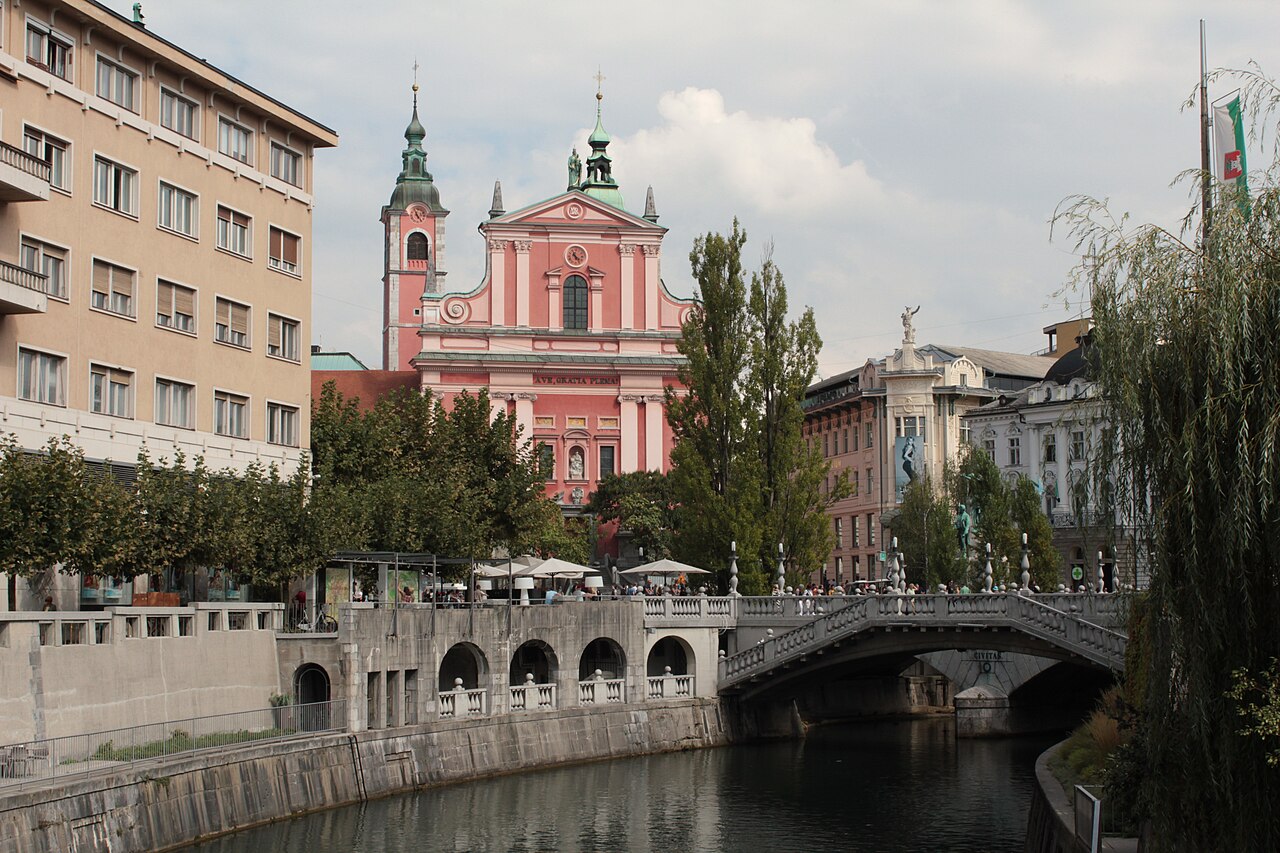
1. Ljubljana, Slovenia
Slovenia’s capital was European Green Capital in 2016, and its tourism board says it has one of the largest pedestrian zones in the European Union. A funicular runs up to Ljubljana Castle, and the city’s central market is among the works of architect Jože Plečnik.
 Also readMeghalaya Travel Guide: Root Bridges, Best Time and Route
Best for: a calm, walkable weekend with riverside cafés.
2. Ghent, Belgium
Ghent is home to the Ghent Altarpiece, completed in 1432 and displayed in St Bavo’s Cathedral. Visit Gent says Hubert van Eyck began it and his brother Jan finished it. The city’s belfry is part of the UNESCO listing for the Belfries of Belgium and France.
Best for: Flemish art, canals and a medieval centre.
3. Bologna, Italy
UNESCO added the Porticoes of Bologna to the World Heritage List in 2021. The city has about 62 km of covered walkways, and the listing covers 12 representative sections. They make the city easy to explore in rain or summer heat.
Best for: food lovers and anyone who wants Italian city life at a slower pace.
4. Wrocław, Poland
Wrocław shared the European Capital of Culture title with San Sebastián in 2016. Its Centennial Hall, designed by Max Berg and built between 1911 and 1913, is a UNESCO World Heritage Site inscribed in 2006.
Best for: architecture and lively student-city energy.
5. Plovdiv, Bulgaria
Plovdiv was European Capital of Culture in 2019, alongside Matera. Archaeologists have found a settlement on the Nebet Tepe hill dating to the end of the 4th millennium BC. Its ancient theatre could seat up to 7,000 people and was restored between 1968 and 1984.
Best for: Roman ruins and an old town on hills.
6. Coimbra, Portugal
The University of Coimbra, with its Alta and Sofia areas, became a UNESCO World Heritage Site in 2013. UNESCO notes that the university moved into the Royal Palace of Alcáçova in 1537 and that its model influenced universities across the Portuguese-speaking world.
Coimbra sits roughly between Lisbon and Porto, so it fits neatly into a rail trip.
Best for: history, student life and a break between Portugal’s two big cities.
7. Riga, Latvia
The Historic Centre of Riga was inscribed by UNESCO in 1997. According to UNESCO, the city has about 50 Art Nouveau buildings in its medieval core and more than 300 in the rest of the historic centre, which UNESCO describes as the highest concentration of the style in Europe.
Best for: architecture walks and Baltic food.
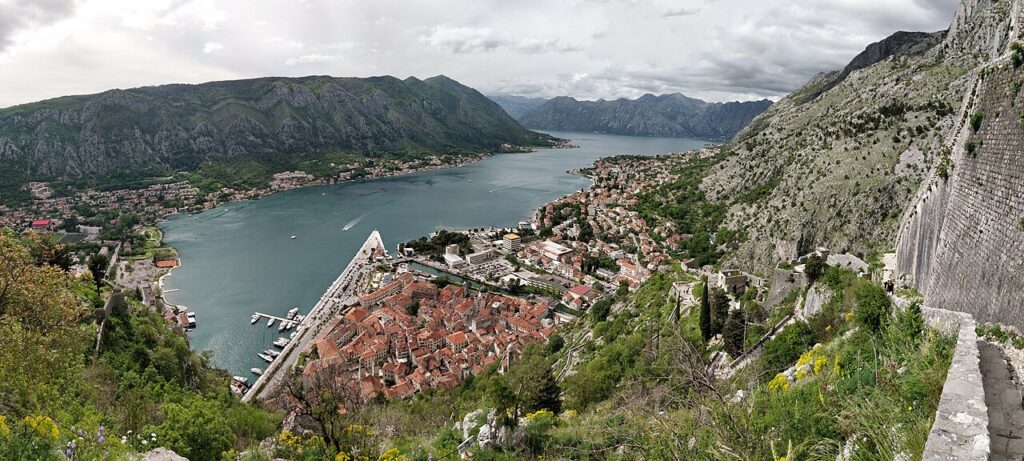
8. Kotor, Montenegro
The Natural and Culturo-Historical Region of Kotor, on Montenegro’s Adriatic coast, has been on the World Heritage List since 1979. A 1979 earthquake damaged its town walls and churches, and the site stayed on the List of World Heritage in Danger until 2003 while restoration went on.
Best for: a walled old town on the Bay of Kotor.
9. Matera, Italy
The Sassi of Matera are cave dwellings, churches and monasteries cut into rock. UNESCO inscribed them in 1993 and describes them as the most outstanding intact cave settlement in the Mediterranean region. Residents were moved out in the 1950s, and people began returning from the 1980s.
Best for: an unusual stop on a trip through southern Italy.
10. Lyon, France
The Romans founded Lyon in the 1st century BC as the capital of the Three Gauls. UNESCO listed its historic site in 1998, noting that the city grew towards the east instead of rebuilding over old districts, which keeps its history visible.
Best for: food, old quarters and a French city that is not Paris.
11. Tallinn, Estonia
Tallinn’s Old Town became a UNESCO World Heritage Site in 1997. Most of its buildings date from the 13th to 16th centuries, and the old town walls still enclose much of the centre, keeping its medieval and Hanseatic character.
Best for: a compact medieval centre that is easy to cover on foot.
12. Oulu, Finland
Oulu, on the Gulf of Bothnia, is a European Capital of Culture in 2026 along with Trenčín in Slovakia. It is Finland’s fifth-largest municipality by population, at about 217,000 people. The city hosts the Air Guitar World Championships every August, a tradition running since 1996.
Oulu is also known for cycling. It has more than 950 km of walking and cycling paths, and bike paths are cleared of snow before roads.
Best for: Nordic city life and cultural events.
Quick facts: the cities at a glance
| City | Country | Recognition |
|---|---|---|
| Ljubljana | Slovenia | European Green Capital 2016 |
| Ghent | Belgium | Belfry in UNESCO listing |
| Bologna | Italy | UNESCO porticoes, 2021 |
| Wrocław | Poland | Capital of Culture 2016, UNESCO hall |
| Plovdiv | Bulgaria | Capital of Culture 2019 |
| Coimbra | Portugal | UNESCO university, 2013 |
| Riga | Latvia | UNESCO historic centre, 1997 |
| Kotor | Montenegro | UNESCO region, 1979 |
| Matera | Italy | UNESCO Sassi, 1993; Capital of Culture 2019 |
| Lyon | France | UNESCO historic site, 1998 |
| Tallinn | Estonia | UNESCO Old Town, 1997 |
| Oulu | Finland | Capital of Culture 2026 |
How to plan a trip to these cities
- Pair cities by rail where you can: Bologna with Matera, or Coimbra with Lisbon and Porto.
- Check entry rules for your passport before booking. Most of these cities are in the Schengen Area, while Montenegro has its own rules.
- Use official city tourism websites for opening hours and events. Event schedules change by season, and ticket availability varies by country.
- Plan two or three nights per city to see the centre without rushing.
Our lifestyle section has more on food, culture and weekend ideas.
Frequently asked questions
Which underrated European city is best for a first visit?
Ljubljana and Ghent are good first choices. Both have compact, walkable centres and are easy to reach by train from larger cities.
Which of these cities are UNESCO World Heritage Sites?
Bologna, Coimbra, Riga, Kotor, Matera, Lyon and Tallinn have UNESCO-listed sites, along with Wrocław’s Centennial Hall and Ghent’s belfry.
What is the European Capital of Culture for 2026?
Oulu in Finland and Trenčín in Slovakia hold the title for 2026, according to the European Commission.
How many days do I need in each city?
Two or three nights is usually enough for the main sights. Add a day if you want a day trip from Lyon, Bologna or Kotor.
Sources: UNESCO: Porticoes of Bologna, UNESCO: Historic Centre of Riga, European Commission: European Capitals of Culture, Visit Gent.