


This article contains Amazon affiliate links. The Second Angle may earn a small commission if you buy through them, at no extra cost to you.
Diwali falls on Sunday, 8 November 2026, and Lakshmi Puja is done that evening. If you are setting up the puja at home this year, this Lakshmi Puja samagri list covers everything you need on the chowki, what each item is for, and the muhurat for New Delhi, so you can shop once and not run to the market at 5 pm.
Lakshmi Puja 2026 date and muhurat
Amavasya is present at sunset on 8 November, which is why Lakshmi Puja is on Sunday and not Monday. The timings below are for New Delhi as reported from Drik Panchang. Other cities can differ by up to 40 minutes, so check a local panchang for your city.
 Also readStepwells of India: History, Famous Baolis and How to Visit
| Detail | Timing (New Delhi) |
|---|---|
| Lakshmi Puja muhurat | 5:54 PM to 7:50 PM, Sunday 8 November |
| Pradosh Kaal | 5:31 PM to 8:09 PM |
| Amavasya tithi begins | 11:27 AM, 8 November |
| Amavasya tithi ends | 12:31 PM, 9 November |
Have the full samagri in place by 5:30 pm. The muhurat window is under two hours, and most families lose time hunting for a matchbox or a clean cloth.
Base setup: chowki, cloth and idols
- Wooden chowki (raised platform): the seat for the deities. A low stool works if you do not own one.
- Red cloth: spread on the chowki. Many families keep a separate yellow cloth for Ganesh ji.
- Idols or framed images of Lakshmi and Ganesha: traditionally new ones are brought home each Diwali. Some households also place Saraswati. You can browse Lakshmi Ganesh idols on Amazon.
- New clothes or chunri for the deities: a small red chunri for Lakshmi is common.
- Bahi-khata or account books, a pen and inkpot: traders and business families place these for blessing. Salaried households often keep a diary or a cheque book.
Kalash and water items
- Kalash: a copper, brass or new earthen pot filled with water.
- Inside the kalash: a coin, a supari (betel nut), a flower and a few grains of rice.
- Mango leaves and a coconut: five mango leaves around the mouth, with a coconut on top wrapped in red cloth or moli.
- Gangajal: sprinkled to purify the space and the idols.
- Panch pallav: leaves of five trees, usually mango, peepal, banyan and two others that vary by region. If you cannot find all five, mango and peepal leaves are commonly used.
Lamps, incense and fire
- One large ghee diya: this stays lit through the night in many homes.
- Small earthen diyas: Drik Panchang suggests five large lamps and at least 25 small ones for the house and entrance. A pack of clay diyas plus cotton wicks covers this.
- Ghee and oil: ghee for the main lamp, mustard or sesame oil for the rest.
- Agarbatti, dhoop and camphor: camphor is used for the aarti at the end.
- Matchbox: keep two. One always goes missing.
Puja thali items
Arrange these on a puja thali before the muhurat starts.
- Roli or kumkum, haldi and chandan (sandalwood paste)
- Akshat: unbroken rice grains, lightly mixed with roli
- Moli or kalava (red sacred thread)
- Paan leaves and supari
- Durva grass for Ganesh ji
- Tulsi leaves and bilva leaves
- A little saffron, honey and ghee
- Coins, silver coins or jewellery, placed before Lakshmi as a symbol of wealth
- A small bell for the aarti
If you are placing silver coins or utensils on the chowki, clean them a day before. Our guide on how to clean silver at home uses things already in your kitchen.
Flowers and offerings (bhog)
- Flowers: marigold, rose and lotus are the usual choices. Lotus is linked to Lakshmi, so buy at least one if your local market has it.
- Garlands: at least three, one each for Lakshmi, Ganesha and the kalash.
- Kheel and batashe: puffed rice and sugar drops, the most common Diwali bhog in north India.
- Sweets: laddu, especially for Ganesh ji, plus whatever your family prefers.
- Fruits: seasonal fruits; some families add sugarcane and water chestnut (singhara).
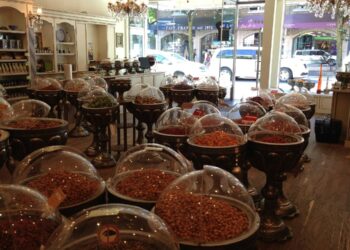
- Dry fruits: often offered and then distributed as prasad. If you bought gift boxes in bulk, see how to store dry fruits so they last past the festival.
- Sweet paan: Drik Panchang lists at least three.
Items you can skip or substitute
Older lists include sarvaushadhi (a set of ten herbs) and sapt mrittika (soil from seven places). These are hard to source in cities. Drik Panchang notes that akshat can be offered in place of any item you cannot get, which is what most urban families do.
Ready-made puja kits sold online and in local markets cover the dry items such as roli, moli, supari, haldi and camphor. Check the contents before buying, and get flowers, fruits and sweets fresh on Sunday morning.
A simple checklist for Sunday
- Clean the puja corner and draw a rangoli at the entrance in the morning.
- Set up the chowki, red cloth and idols by 4 pm.
- Prepare the kalash and place it on the chowki.
- Arrange the thali, bhog and diyas.
- Start the puja within the muhurat for your city and end with aarti using camphor.
If you are buying gold or silver coins for the puja on Dhanteras (Friday, 6 November), check the hallmark first. Here is how to check gold purity with HUID on the BIS CARE app.
Sources for timings: Vedantu and Hindutone, both citing Drik Panchang. Samagri reference: Drik Panchang.
Frequently asked questions
What is the Lakshmi Puja muhurat on Diwali 2026?
In New Delhi the muhurat is 5:54 PM to 7:50 PM on Sunday, 8 November 2026, as per Drik Panchang. Timings vary by city, so check a local panchang.
Why is Diwali on 8 November and not 9 November in 2026?
Lakshmi Puja is done when Amavasya is present during Pradosh Kaal. In 2026 Amavasya begins at 11:27 AM on 8 November and ends at 12:31 PM on 9 November, so the evening of 8 November qualifies.
What goes inside the kalash for Lakshmi Puja?
Water, a coin, a supari, a flower and a few rice grains. Mango leaves go around the mouth with a coconut on top.
What if I cannot find every samagri item?
Drik Panchang notes that akshat (unbroken rice) can be offered in place of any missing item.
Is kheel-batashe necessary for Lakshmi Puja?
It is the most common bhog in north Indian homes, but families also offer laddu, other sweets, fruits and dry fruits as per their tradition.