


The best countries to visit in 2027 for first-time travellers are places with simple entry steps, good public transport and plenty to see in a short trip. Japan, Singapore, Portugal, Italy, Spain, Thailand, Vietnam, South Korea, New Zealand and Canada all fit, but entry rules depend on your passport, so check official sites first.
This list looks at two things for each country: what makes it easy for a first trip, and which official entry system you need to know about. We have not listed prices, since flights, stays and fees change often. For more trip ideas, see our travel section.
How we picked these countries
A first international trip goes better when the paperwork is clear and the country is easy to move around. We favoured places with official online entry systems, well-documented visa rules and a large amount of English-language information on their tourism board sites.
 Also readMeghalaya Travel Guide: Root Bridges, Best Time and Route
Visa-free access and e-visa availability varies by country of passport. Treat this list as a starting point and confirm the rules for your own nationality on the government sites named in each entry.
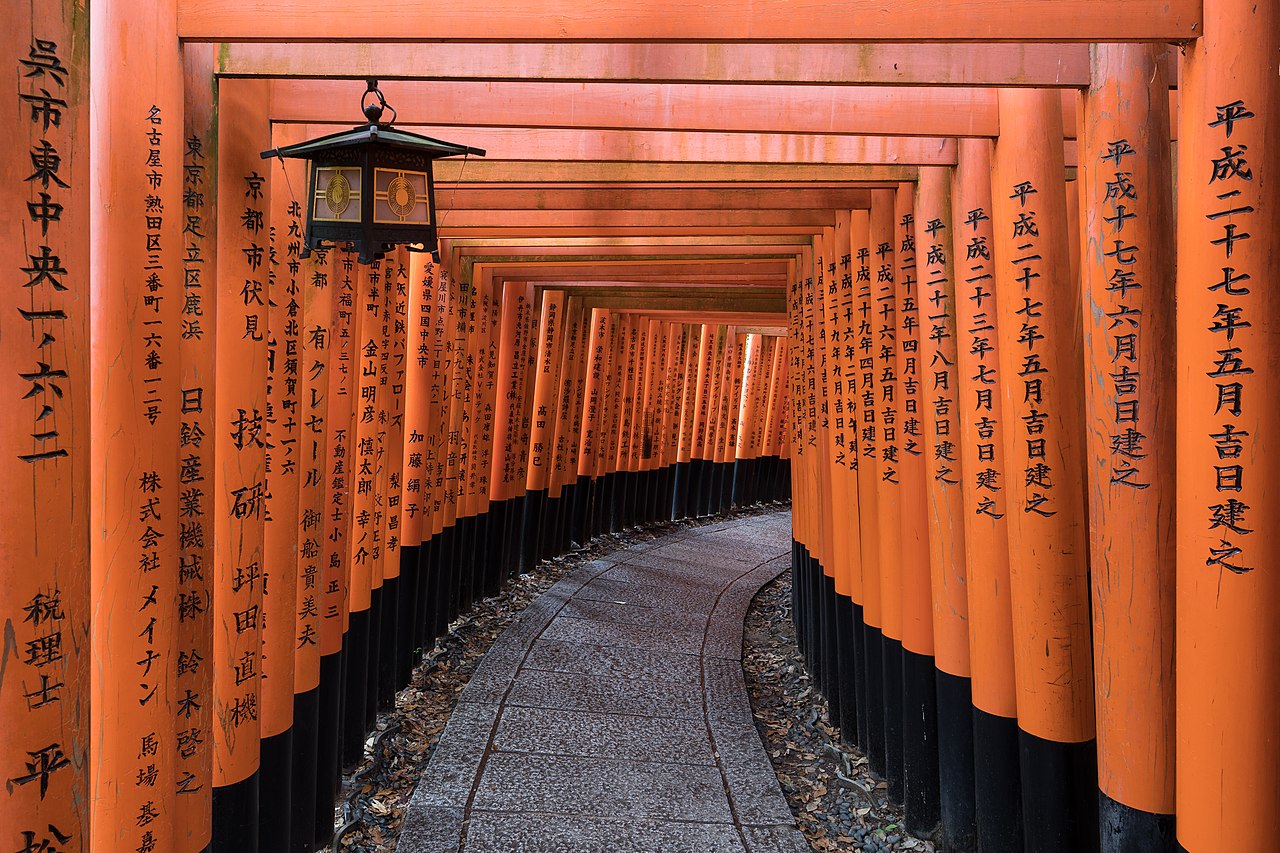
1. Japan
Japan’s Ministry of Foreign Affairs lists 74 countries and regions whose citizens can visit without a visa for short stays, with most allowed up to 90 days. Trains are a big reason first-timers find it easy. The Japan National Tourism Organization notes that trains generally run on tight schedules and points visitors to a range of discount rail passes.
One practical tip from the same tourism board: carry some cash, as not every taxi accepts cards.
Best for: travellers who want food, culture and cities connected by fast, punctual trains.
2. Singapore
Singapore is compact, which makes it a gentle first trip. The main entry step is the SG Arrival Card. According to the Immigration and Checkpoints Authority (ICA), it is free and can be submitted within three days before arrival, counting the day you land, through the ICA website or the MyICA app.
ICA warns that it does not endorse commercial websites that charge to file the card for you, so use only the official channels.
Best for: a short city break or a stopover on a longer Asia trip.
3. Portugal
Portugal is part of the Schengen Area, which the European Commission says now has 29 countries. Short stays for visitors are counted under the rule of up to 90 days in any 180-day period. UNESCO lists 17 World Heritage properties in Portugal, including the Monastery of the Hieronymites and Tower of Belém in Lisbon, the historic centre of Porto, and the hill town of Sintra.
Lisbon and Porto are both easy bases, and Sintra works as a day trip from the capital.
Best for: a first look at Europe with history, coastline and walkable old towns.
4. Italy
Italy has 62 properties on the UNESCO World Heritage List, 56 cultural and 6 natural, so even a one-week trip can take in several of them. Like Portugal, it follows Schengen rules for short stays.
First-timers usually stick to a simple route of two or three cities connected by train rather than trying to cover the whole country.
Best for: art, architecture and food in one trip.

5. Spain
Spain has 50 World Heritage properties according to UNESCO: 44 cultural, 4 natural and 2 mixed. It is also in the Schengen Area, so the same 90-day short-stay rule applies.
Europe’s new digital border checks matter for any Schengen trip. The Entry/Exit System, which records non-EU visitors electronically instead of stamping passports, became fully operational in April 2026, as reported by Afar. A separate pre-travel authorisation called ETIAS is planned but has been delayed several times, so check the EU’s official travel site before you book.
Best for: beaches, city life and late dinners.
6. Thailand
Thailand changed its rules in 2026. From 15 September 2026, a 30-day visa-free stay for tourism replaced the earlier 60-day scheme, and the list of eligible nationalities was cut from 93 to 60 countries and territories, as reported by TTG Asia. India was added to the new list.
Travellers entering by land on a visa exemption are limited to two entries per calendar year, with some neighbouring countries exempt from that cap.
Best for: beaches, street food and a first taste of South-East Asia.
7. Vietnam
Vietnam’s official tourism site says citizens of all countries and territories have been able to apply for an e-visa since 15 August 2023. The e-visa is valid for 90 days and allows multiple entries, which helps if you plan side trips to neighbouring countries.
Apply only through the government e-visa portal linked from the official tourism site.
Best for: long, varied trips from north to south.
8. South Korea
South Korea uses the K-ETA, an online travel authorisation. Korea’s foreign ministry says the temporary exemption for certain countries, including the United States, was extended to 31 December 2026. Rules for 2027 should be checked on the official K-ETA website before you travel.
The ministry notes that some exempt travellers still choose to apply because an approved K-ETA removes the need to fill in an arrival card.
Best for: modern cities, food and pop culture. Our entertainment section has more on Korean film and TV.
9. New Zealand
Citizens of visa waiver countries usually need a New Zealand Electronic Travel Authority (NZeTA). Immigration New Zealand says it is valid for two years, each visit is typically up to three months (six months for UK citizens), and applicants should allow 72 hours for processing.
Australian citizens do not need an NZeTA or a visa.
Best for: road trips and outdoor scenery.
10. Canada
Visa-exempt travellers flying to or transiting through a Canadian airport need an Electronic Travel Authorization (eTA). The Government of Canada says most applications are approved within minutes, though some applicants are asked for documents, with instructions sent within 72 hours.
Holders of a valid Canadian visitor visa can keep using it until it expires.
Best for: big cities, national parks and an easy mix of both.
Quick facts: entry systems to check
| Country | What to check before you fly | Notes |
|---|---|---|
| Japan | Visa exemption list (MOFA) | Up to 90 days for most listed countries |
| Singapore | SG Arrival Card (ICA) | Free, within 3 days before arrival |
| Portugal, Italy, Spain | Schengen rules, EES, ETIAS | 90 days in any 180 |
| Thailand | Visa exemption list | 30 days for tourism from 15 September 2026 |
| Vietnam | Official e-visa | 90 days, multiple entry |
| South Korea | K-ETA | Temporary exemption ran to 31 December 2026 |
| New Zealand | NZeTA | Valid 2 years, allow 72 hours |
| Canada | eTA (air travel) | Most approved within minutes |
Planning tips for a first trip abroad
- Check that your passport is valid well beyond your return date, as some countries have minimum validity rules.
- Apply for visas, e-visas or travel authorisations only on government websites. Third-party sites often add charges.
- Keep digital and printed copies of your bookings and approvals.
- Pick two or three bases instead of moving every night.
- Buy travel insurance that covers medical costs. Our lifestyle section has more practical guides.
Frequently asked questions
Which country is easiest for a first international trip?
Singapore and Japan are often easy choices because of clear entry steps and reliable public transport. The right answer depends on your passport and budget.
Do I need ETIAS to visit Europe in 2027?
ETIAS is planned for visa-exempt visitors to the Schengen Area, but its launch has been delayed several times. Check the EU’s official travel site for the current start date.
How long can I stay in Thailand without a visa?
From 15 September 2026, eligible nationalities get 30 days visa-free for tourism. Check whether your country is on the list of 60.
Is a Vietnam e-visa available to everyone?
Yes. Vietnam’s tourism board says citizens of all countries and territories can apply. It is valid for 90 days with multiple entries.
Sources: Ministry of Foreign Affairs of Japan, ICA Singapore, Immigration New Zealand, TTG Asia.