




The best Indian street foods include Mumbai’s vada pav, Gujarat’s dabeli, Punjab’s chhole bhature, Hyderabad’s mirchi bajji, Bihar’s litti chokha and Delhi’s aloo chaat. Kolkata’s kathi roll and puchka also deserve a place. Each dish is cheap, filling and closely tied to the city or state it comes from.
Street food is often the quickest way to understand a place. It shows what local people eat on the way to work, after college or during festivals. Here are eight dishes worth trying, with a short note on where each comes from.
1. Vada Pav, Mumbai
A spiced potato filling is dipped in gram flour batter, deep fried and placed inside a soft pav with dry garlic chutney, green chutney and a fried green chilli on the side. It is quick, filling and affordable, which is why office workers and students rely on it.
 Also read10 Most Luxurious Horse Stables Around the World to Visit
The dish is commonly traced to 1966, when Ashok Vaidya started selling it near Dadar railway station. Today it is sold at almost every station and street corner in Mumbai and across Maharashtra.
2. Dabeli, Kutch, Gujarat
Dabeli is a pav filled with a sweet, tangy and mildly spicy potato mix made with a special dabeli masala. It is topped with tamarind and date chutney, garlic chutney, roasted peanuts, pomegranate seeds and sev.
It is said to have been created in Mandvi in Kutch in the 1960s, which is why it is also called Kutchi dabeli. It is now popular across Gujarat and Maharashtra.
3. Chhole Bhature, Punjab and Delhi
Spicy chickpea curry is served with large, puffed, deep-fried bhature, along with onions, pickle and green chillies. It is a heavy dish, often eaten as a late breakfast or weekend meal.
Punjab and Delhi both claim it, and old Delhi shops have served it for decades. Most stalls finish the day’s batch by early afternoon, so go early.
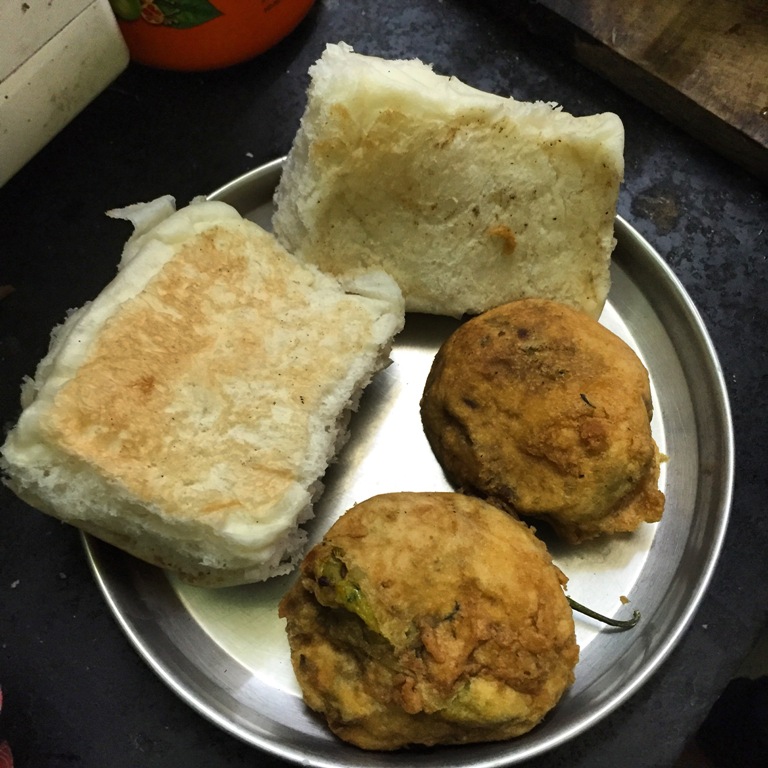
4. Mirchi Bajji, Hyderabad
Large, mildly hot green chillies are slit, sometimes stuffed with tamarind or spiced filling, coated in gram flour batter and fried. In Hyderabad, it is often topped with chopped onions and lemon juice.
It is a common evening snack across Telangana and Andhra Pradesh, especially during the monsoon. Those who want something lighter can try air-fried or baked versions at home.
5. Litti Chokha, Bihar
Litti are round wheat dough balls stuffed with spiced sattu, which is roasted gram flour mixed with garlic, ginger, ajwain, lemon and mustard oil. They are roasted, traditionally over cow-dung cake or coal fires, and dipped in ghee.
Chokha is a smoky mash of roasted brinjal, potato and tomato. Together they make one of Bihar’s best-known foods, also popular in eastern Uttar Pradesh and Jharkhand.
6. Aloo Chaat, Delhi and Uttar Pradesh
Boiled potatoes are cut into cubes, shallow fried until crisp and tossed with chaat masala, lemon juice, green chutney and tamarind chutney. Each vendor has a slightly different mix of spices.
Aloo chaat is part of a larger chaat family that includes papdi chaat, aloo tikki and dahi bhalla. It is a regular at weddings, office parties and evening markets in north India.
7. Kathi Roll, Kolkata
A paratha is cooked with a layer of egg and rolled around skewer-grilled kebabs, onions and sauces. Paneer and vegetable versions are also common.
The kathi roll is said to have started at Nizam’s, a Kolkata restaurant founded in 1932. It has since spread to food courts and delivery apps across India.
8. Puchka, Kolkata
Kolkata’s version of pani puri uses thin, crisp shells filled with a spicy mashed potato and gram mix and dipped in sharp tamarind water. It is called golgappa in Delhi and pani puri in Mumbai, and each city fiercely defends its own style.
Quick guide to the dishes
| Dish | Home region | Veg or non-veg | Best time to eat |
|---|---|---|---|
| Vada pav | Mumbai | Veg | Any time |
| Dabeli | Kutch, Gujarat | Veg | Evening |
| Chhole bhature | Punjab, Delhi | Veg | Late morning |
| Mirchi bajji | Hyderabad | Veg | Evening, monsoon |
| Litti chokha | Bihar | Veg | Lunch or dinner |
| Aloo chaat | Delhi, UP | Veg | Evening |
| Kathi roll | Kolkata | Both | Any time |
| Puchka | Kolkata | Veg | Evening |
How to eat street food safely
- Choose busy stalls where food is cooked fresh and sold quickly.
- Prefer items fried or cooked in front of you over cut fruit or uncooked chutneys left in the open.
- Carry your own water bottle, and be careful with pani puri water if you have a sensitive stomach.
- Look for FSSAI’s Clean Street Food Hubs. The food regulator certifies street food clusters that meet hygiene standards, such as Indore’s Chappan Dukan.
Planning a food trip? Our travel section has city guides, and our health section covers food safety basics.
Further reading: Vada pav.
Frequently asked questions
What is the most popular street food in India?
There is no official ranking, but vada pav, pani puri, chaat and samosa are among the most widely eaten street foods across Indian cities.
Who invented vada pav?
It is commonly credited to Ashok Vaidya, who began selling it near Dadar station in Mumbai in 1966.
Is litti chokha healthy?
Litti is roasted rather than fried and sattu is rich in protein, but ghee adds fat. Eat it in moderation as part of a balanced diet.
How can I find hygienic street food?
Look for crowded stalls, freshly cooked food and FSSAI-certified Clean Street Food Hubs listed on the Eat Right India website.
Sources: Vada pav, Wikipedia, Dabeli, Wikipedia, Eat Right India, FSSAI.