

The best beaches in Miami are South Beach, Crandon Park, Matheson Hammock, Haulover, Bal Harbour, Bill Baggs Cape Florida State Park and Virginia Key Beach Park. South Beach is the busiest and most famous, Key Biscayne has the quieter, greener options, and most beaches are free, though state parks and county parks charge for entry or parking.
Miami sits on Florida’s south-east coast, with Biscayne Bay on one side and the Atlantic Ocean on the other. That gives visitors two very different kinds of water: calm, shallow bay beaches and the open ocean shoreline. Here is a practical guide to seven beaches worth your time, updated for 2026. For more destination guides, see our travel section.
1. South Beach
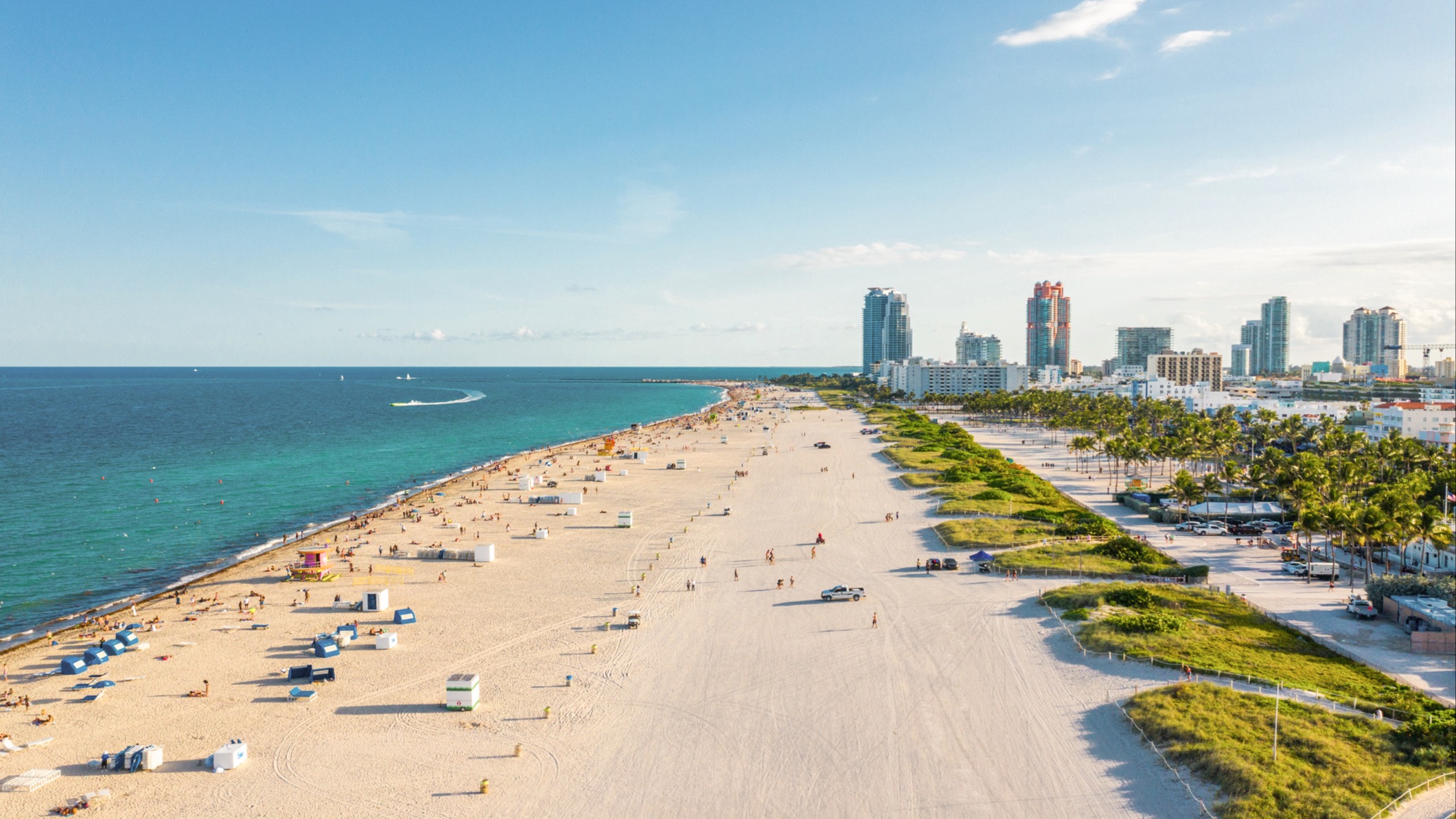
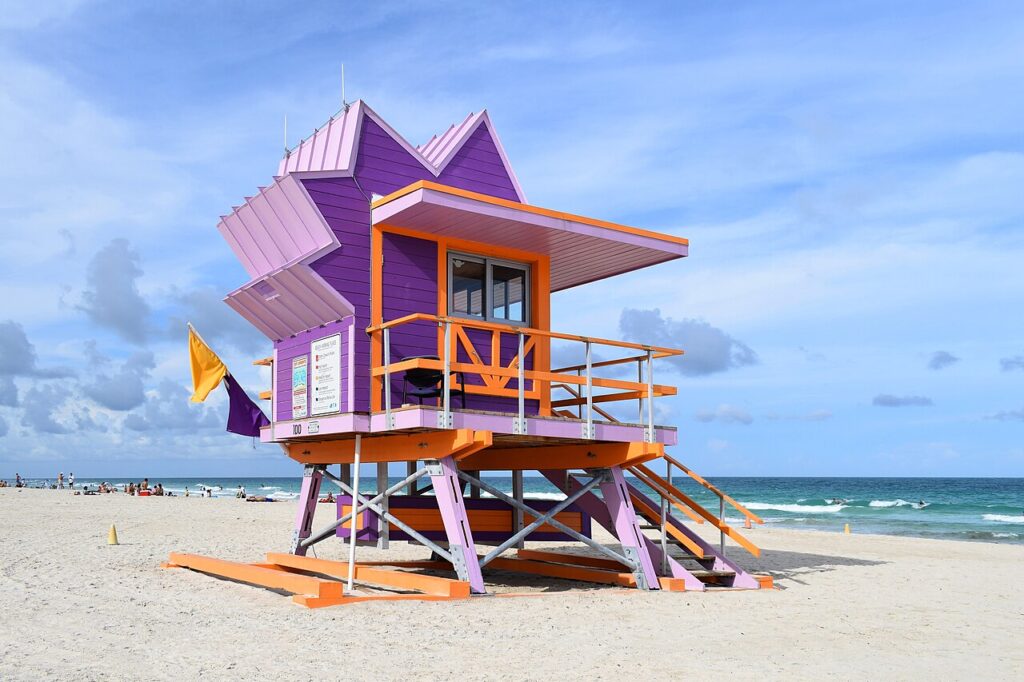
South Beach, at the southern end of Miami Beach, is the postcard image of the city. The wide sand, pastel lifeguard towers and the Art Deco buildings along Ocean Drive draw crowds through the day and well into the night.
 Also read10 Spiritual Places in India for Peace and Meditation
It is the right pick if you want restaurants, cafes and nightlife within walking distance of the water. Expect crowds, high prices on Ocean Drive and paid street parking. Lummus Park, the stretch in front of Ocean Drive, has restrooms and outdoor showers.
2. Crandon Park Beach
Crandon Park, on the island of Key Biscayne, is a Miami-Dade County park with a long, palm-lined beach and calm, shallow water protected by an offshore sandbar. It is popular with families who want space, shade and picnic areas.
The park also has a nature centre and trails, and kayaking is common in the calmer sections. Parking is charged per vehicle, so check the current rate on the Miami-Dade Parks website before you go.
3. Matheson Hammock Park Beach
Matheson Hammock, south of Coconut Grove, is known for its man-made atoll pool. The pool is a ring of sand and palm trees around a lagoon that is filled by the tides of Biscayne Bay, so the water stays calm and shallow.
It is a good choice for small children and for anyone who prefers still water to waves. The surrounding park has mangrove trails and a marina. Like other county parks, it charges for parking.
4. Haulover Beach Park
Haulover Park sits between the ocean and the Intracoastal Waterway, north of Bal Harbour. According to Miami-Dade County, the northern part of its shoreline is an officially recognised clothing-optional beach, one of the best known in the United States, so families should stay in the main southern section.
Haulover also has a designated off-leash dog area on the beach and an enclosed dog park, which is rare in Miami. Kite flying, fishing and boating from the marina are common here.
5. Bal Harbour Beach
Bal Harbour is a small, upscale village just south of Haulover. Its beach is quieter than South Beach and is lined with luxury hotels and residential towers.
A paved path runs along the dunes, and it is popular for morning walks and jogging. The Bal Harbour Shops, a well-known luxury mall, is across the road if you want to combine a beach visit with shopping.
6. Bill Baggs Cape Florida State Park
At the southern tip of Key Biscayne, Bill Baggs Cape Florida State Park combines a sandy ocean beach with history. The Cape Florida Lighthouse, first built in the 1820s, is the oldest standing structure in Miami-Dade County.
Florida State Parks lists the park as open from 8 am until sundown every day. Entry costs $8 per vehicle with two to eight people, $4 for a single-occupant vehicle and $2 for pedestrians and cyclists. The park has picnic areas, a seawall for fishing and cafes near the beach.
7. Virginia Key Beach Park
Virginia Key Beach Park, on the island between the mainland and Key Biscayne, has deep historical value. It opened in 1945 as a beach for Black residents during the era of segregation, and it is now a protected historic park with picnic shelters, a restored carousel and walking trails.
Note that the Miami Seaquarium, which stood on Virginia Key and was often listed as a nearby attraction, closed on 12 October 2025 after 70 years. The site was leased to a developer, and older travel guides that still mention it are out of date.
Quick comparison
| Beach | Best for | Water | Entry |
|---|---|---|---|
| South Beach | Nightlife, Art Deco walks | Ocean | Free, paid parking |
| Crandon Park | Families, picnics | Calm ocean | Parking fee |
| Matheson Hammock | Small children | Tidal lagoon | Parking fee |
| Haulover | Dogs, kite flying | Ocean | Parking fee |
| Bal Harbour | Quiet walks | Ocean | Free, paid parking |
| Cape Florida | History, lighthouse | Ocean | $8 per vehicle |
| Virginia Key | History, families | Ocean | Parking fee |
Practical tips for Indian travellers
- Indian passport holders need a valid US visa. Check the latest appointment wait times well before booking flights.
- November to April is the most comfortable period, with lower humidity. June to November is the Atlantic hurricane season.
- Swim only near staffed lifeguard towers and follow the flag system posted on each beach.
- Carry sunscreen and water. The sun is strong even in winter.
- Card payments are accepted almost everywhere, but keep some cash for small vendors and parking machines that may not take foreign cards.
If you are planning a longer trip, our lifestyle section has more ideas for slow travel and weekend breaks.
Further reading: Miami.
Frequently asked questions
Which is the best beach in Miami for families?
Crandon Park and Matheson Hammock are usually the best for families because the water is calmer and both have shade, picnic areas and restrooms.
Are Miami beaches free?
Most public beaches have free access, but county parks charge for parking and Bill Baggs Cape Florida State Park charges an entry fee of $8 per vehicle.
Is the Miami Seaquarium still open?
No. The Miami Seaquarium on Virginia Key closed on 12 October 2025, and the site has been leased for redevelopment.
Can I take my dog to a Miami beach?
Haulover Park has a designated off-leash dog area and an enclosed dog park. Most other Miami beaches do not allow dogs on the sand.
Sources: Florida State Parks, Miami-Dade Parks, Miami Seaquarium (Wikipedia).