• About   |
  • Advertise |
  • Contact Us
No Result
View All Result
The Second Angle (TSA Magazine)
Advertise
  • Infotainment
    • Sports
    • People
    • Inspiring
  • Entertainment
    • Lifestyle
    • Home & Decoration
  • Buzz
  • Education
  • Travel
  • Finance
  • Healthcare
  • Technology
The Second Angle
No Result
View All Result
  • Infotainment
  • Entertainment
  • Buzz
  • Education
  • Travel
  • Finance
  • Healthcare
  • Technology
Advertisement Advertisement Advertisement
ADVERTISEMENT
Home Healthcare

Brain on Fire: A rare autoimmune disease

A rare autoimmune encephalitis that drove neurologists stunned with its extravagant symptoms.

by Jyotsna Yagyasen
February 23, 2022
in Healthcare
Reading Time: 4 mins read
Brain on Fire: A rare autoimmune disease
Share on FacebookShare on WhatsApp
Advertisement Advertisement Advertisement
ADVERTISEMENT
4 min readGAdd The Second Angle as a preferred source on Google
Key takeaways
What is Anti , NMDA Receptor Encephalitis: The NMDA is the glutamate receptor present on the neurons and acts as an ion transporter for the...Symptoms of Anti , NMDA Receptor Encephalitis: The symptoms of Anti , NMDA Receptor Encephalitis occur in phases that may begin as a normal headache...Treatments to cure “Brain on Fire”: Similar to the symptoms, the treatment of the Anti-NMDA Receptor Encephalitis also exists in phases.

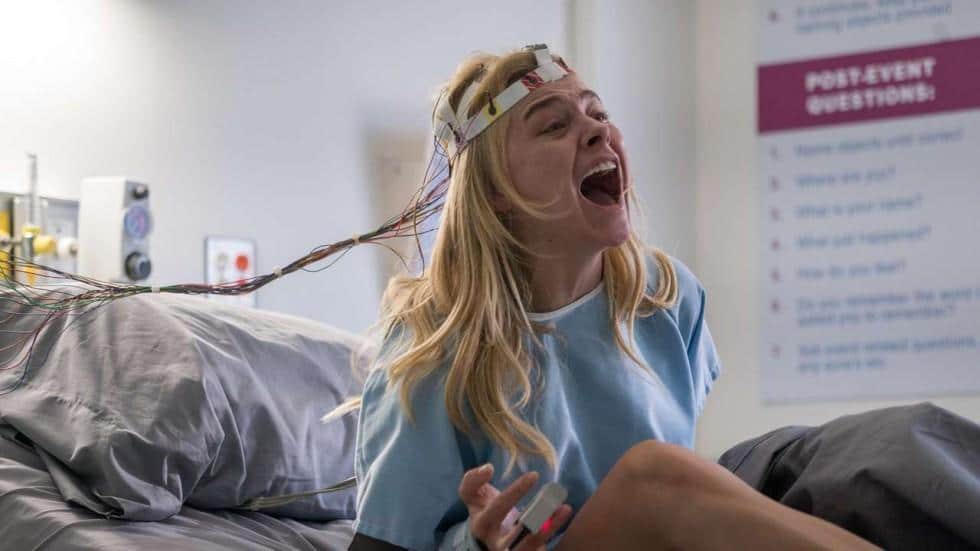
Ever wondered that the Netflix film “Brain on Fire” was based on the true story of Susannah Cahalan. The condition she went through was not exclusively extremely unusual, but also very complicated to diagnose at that time. She suffered from an autoimmune disease of the brain, which is medically termed as Anti — N-methyl-D-Aspartate (Anti — NMDA) Receptor Encephalitis. After being successfully treated she released a book named “Brain on Fire: My Month of Madness” in 2012 to uncover her journey as a patient, the hardships she went through before getting the right medications, inaccurate diagnosis, and educating the public about the severity of the Anti — NMDA Receptor Encephalitis. 
Brain on Fire: A rare autoimmune disease
Image Source: filmaffinity
Table of Contents
  • What is Anti — NMDA Receptor Encephalitis
  • Symptoms of Anti — NMDA Receptor Encephalitis
  • Treatments to cure “Brain on Fire” 

What is Anti — NMDA Receptor Encephalitis

The NMDA is the glutamate receptor present on the neurons and acts as an ion transporter for the conduction of impulses to and from the brain. It moreover keeps the Dopamine levels in check, which is essential for the proper functioning of the brain. The hypo functioning of NMDA glutamate synapse causes an increase in dopamine levels in the brain which results in Psychotic Symptoms like loss of behaviour control, motor controls of the brain, concentration issues, memory loss, etc. Dopamine dysregulation has been further linked to schizophrenia, attention-deficit hyperactivity disorder (ADHD), bipolar disorder.

Brain on fire disease is autoantibody-mediated encephalitis, which was first identified in 2007. 
Vaccine hesitancy- More than 2 lakh people due to receive a second vaccine dose in MeghalayaAlso readVaccine hesitancy- More than 2 lakh people due to receive a second vaccine dose in Meghalaya

An autoimmune neurological disorder in which antibodies developed in the body which are supposed to attack the pathogens causing the disease starts to attack its own body and in this case antibodies binds with NMDA receptor present in the neurons of the brain and causes dysfunction and blockage in the glutamate synapse which outcomes in the disorder named as (anti — NMDA) Receptor Encephalitis.

The disease has been associated with the presence of underlying conditions like cancer, tumours (Ovarian Teratoma generally), infections (Herpes Simplex Encephalitis most commonly reported), etc. Women and children are susceptible to this rare disease, with approximately 80 per cent of cases recorded being of females and children in comparison to men.   

Brain on Fire: A rare autoimmune disease
Image Source: neuroimagingclinics

Symptoms of Anti — NMDA Receptor Encephalitis

The symptoms of Anti — NMDA Receptor Encephalitis occur in phases that may begin as a normal headache and rapidly modify into neuropsychiatric issues within the weeks. The signs are entirely based on the acuteness of the disease.

Various acute symptoms encountered by the patients of this ailment are described below:

  • Cognitive Impairments like confusion, lack of concentration, difficulty in perceiving and comprehending thoughts, decreased level of consciousness, etc.
  • Behavioural Changes like mood swings, disorganized thoughts, hallucination, paranoia, hearing voices, etc.
  • Seizures
  • Movement Disorders like Tardive dyskinesia (involuntary movements of the muscles of trunk, limbs, face, etc as seen in the patients with a withdrawal syndrome)
  • Autonomic Instability (a life-threatening condition in which neurons regulating the involuntary muscles of the body are damaged as of heart, blood vessels, digestive system, etc)  
  • Comatose

Atypical symptoms commonly found in children are as follows:

  • Cerebellar ataxia (loss of muscle control and coordination due to damage in the cerebellum) 
  • Hemiparesis (mild but partial paralysis of one side of the body)
Brain on Fire: A rare autoimmune disease
Image Source: colorado

Treatments to cure “Brain on Fire” 

Similar to the symptoms, the treatment of the Anti-NMDA Receptor Encephalitis also exists in phases. The first-line treatments include procedures to eradicate the causative agents of the disease, and second-line treatments consist of drugs to suppress the symptoms elicited due to the illness.

Some First-line treatments include:

  • Steroids (Oral or Intravenous)
  • Intravenous Immunoglobulins (IVIG)
  • Plasma Exchange (Dialysis)

A few notable Second-line treatments are:

  • Immunosuppressants (crucial therapy to cure autoimmune disorders)
  • Cyclophosphamide (reduces inflammation) 
  • Rituximab (a monoclonal antibody)
  • Epileptic drugs to relieve the Seizures.
  • Antipsychotic/Neuroleptic drugs

Besides the treatment described above, it is vital to rule out the underlying factors like strokes, tumours, intoxications that contribute to stimulating the severity of Anti — NMDA Receptor Encephalitis.

Also Read:  Vaccine hesitancy- More than 2 lakh people due to receive a second vaccine dose in Meghalaya

Enjoyed this story?Share it with your friends
WhatsAppLinkedInXFacebookEmail
See more TSA Mag stories on GoogleAdd us as a preferred source and our stories will show up more often in your Top Stories.
GAdd The Second Angle as a preferred source on Google
ShareSend
Tweet
Previous Post

Time to Build a Step by Step Ecosystem For Startup in India

Next Post

UP’s capital to witness its first drive-in theatre

Related Posts

Traditional Japanese breakfast with grilled fish, rice, miso soup, tofu and pickles at a Kyoto inn
Healthcare

Healthy Breakfasts From Around the World: 11 Dishes to Try

Healthy breakfasts from around the world, from Japan's miso soup to Egypt's ful medames, with simple nutrition facts from WHO...

Read moreDetails
Hazy sunrise over Delhi with smoke from a power plant clouding the sky
Healthcare

Air Pollution and Health: How to Stay Safe on High AQI Days

Air pollution health tips for high AQI days: what India's AQI levels mean, which masks work, and Health Ministry advice...

Read moreDetails
Close-up of an Aedes aegypti mosquito, the species that spreads dengue, feeding on human skin
Healthcare

Dengue Warning Signs: When a Fever Needs Urgent Care in India

Know the dengue warning signs that need urgent care, why the risk rises after fever drops, safe home care and...

Read moreDetails
A glucometer showing a blood sugar reading after a finger-prick test
Healthcare

Prediabetes in India: Blood Sugar Numbers and What to Do Next

Prediabetes affects about 136 million Indians, says ICMR. Learn the HbA1c and fasting sugar ranges, who should test, and steps...

Read moreDetails
Fresh green spinach leaves, a common iron-rich vegetable in Indian kitchens
Healthcare

Anaemia in India: Signs, Causes and Iron-Rich Indian Foods

Anaemia in India affects 57% of women and 67% of young children, says NFHS-5. Know the signs, causes, haemoglobin levels...

Read moreDetails
Do's and Don'ts during pregnancy
Healthcare

7 Common Mistakes First-Time Mothers Should Avoid in Pregnancy

Mistakes to avoid during pregnancy for first-time mothers: missed check-ups, poor diet, skipped supplements, stress and inactivity, as per WHO...

Read moreDetails
Load More
Next Post
UP’s capital to witness its first drive-in theatre

UP’s capital to witness its first drive-in theatre

About

The Second Angle

The Second Angle (TSA Mag) is an infotainment and lifestyle magazine covering entertainment, travel, technology, health, education and finance.

Important Links

  • About The Second Angle
  • Advertise With Us
  • Editorial Policy
  • Privacy Policy
  • Terms and Conditions
  • Contact Us
  • Careers
  • Newsletter

Explore

  • Infotainment
  • Entertainment
  • Buzz
  • Education
  • Travel
  • Finance
  • Healthcare
  • Technology
Advertise with us

© 2017-2026. The Second Angle. All Rights Reserved. Developed and Managed by Squarebase.io

Welcome Back!

Login to your account below

Forgotten Password?

Retrieve your password

Please enter your username or email address to reset your password.

Log In
No Result
View All Result
  • Infotainment
    • Sports
    • People
    • Inspiring
  • Entertainment
    • Lifestyle
    • Home & Decoration
  • Buzz
  • Education
  • Travel
  • Finance
  • Healthcare
  • Technology

© 2017-2026. The Second Angle. All Rights Reserved. Developed and Managed by Squarebase.io

We use cookies to keep TSA fast and relevant. Read our Privacy Policy.