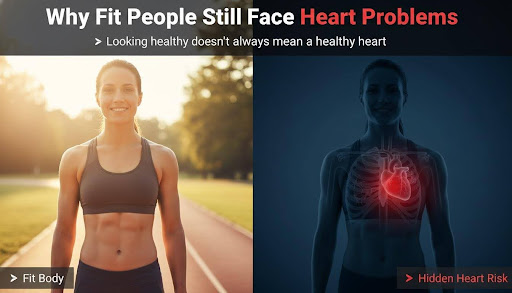

Fit people still get heart issues because looking fit is not the same as having a healthy heart. Family history, high cholesterol, high blood pressure, smoking, binge drinking, poor sleep and sudden extreme exercise can all raise risk in people who train regularly. Many of these factors cause no symptoms, so regular check-ups matter even for athletes.
News of young gym-goers and runners collapsing has made many Indians worried. Exercise remains one of the best things you can do for your heart, according to the World Health Organization (WHO). But it does not cancel out every other risk. This explainer covers what the evidence says and what you can do.
This article is general information, not medical advice. Please speak to a doctor about your own heart health.
 Also read6 Colleges With the Best Campus Life in the US: 2026 Guide
Quick facts: heart disease and fitness
| Fact | Source |
|---|---|
| Cardiovascular diseases killed about 19.8 million people in 2022, around 32% of all deaths worldwide | WHO |
| About 85% of these deaths were from heart attacks and strokes | WHO |
| Family history, binge drinking and vigorous exercise in the 48 hours before death were linked to sudden unexplained deaths in Indians aged 18 to 45 | ICMR study, 2023 |
| The same study found no link between COVID-19 vaccination and these deaths | ICMR study, 2023 |
Why fit people are still getting heart issues: 8 hidden causes
1. Family history and genes
Some people inherit a tendency to very high cholesterol or heart rhythm problems. These conditions can affect lean, active people and may show no signs until a serious event.
In the ICMR study of sudden unexplained deaths in young Indians, a family history of sudden death was about three times more common among those who died. If a parent or sibling had a heart attack young, tell your doctor.
2. Silent high blood pressure and cholesterol
High blood pressure and high cholesterol usually have no symptoms. A person can run 10 km and still have narrowed arteries. The only way to know is a simple check of blood pressure, lipid profile and blood sugar.
3. Sudden extreme exercise
Regular moderate exercise protects the heart. Problems can come with sudden, very intense effort, especially in people who are not used to it or who have a hidden heart condition. The ICMR study found that vigorous physical activity in the 48 hours before death was a significant risk factor.
WHO advises adults to get 150 to 300 minutes of moderate activity a week, or 75 to 150 minutes of vigorous activity. Building up slowly and resting between hard sessions is safer than going from zero to extreme.
4. Binge drinking and drug use
Healthy habits during the week do not cancel out a heavy weekend. The ICMR study found binge drinking in the 48 hours before death in about 7% of cases, compared with just over 1% of controls. Recreational drug use was also a significant factor.
5. Smoking and vaping
WHO lists tobacco use as one of the main behavioural risk factors for heart disease. Occasional or “social” smoking still damages blood vessels. Fitness does not protect against this.
6. Poor sleep and long-term stress
Short or poor-quality sleep and constant stress are linked to higher blood pressure and unhealthy habits such as late-night eating and more alcohol. Many young professionals train hard but sleep five hours a night, which puts strain on the body.
7. A “clean” diet that is not balanced
Avoiding junk food is good, but very high protein intake, unregulated supplements or crash diets do not guarantee a healthy heart. WHO lists an unhealthy diet among the top risk factors. A balanced Indian plate with vegetables, pulses, whole grains and limited salt and sugar is a better base.
8. Ignoring early warning signs
Fit people often dismiss chest discomfort or breathlessness as “just a pulled muscle” or “low stamina today”. WHO lists these warning signs of a heart attack:
- Pain, pressure or discomfort in the middle of the chest
- Pain in the arms, left shoulder, elbows, jaw or back
- Breathlessness, nausea or vomiting
- Feeling dizzy or faint, cold sweat and turning pale
If these appear, stop exercising and get emergency help at once. In India, call 112 or your local ambulance number.
What the ICMR study on sudden deaths found
The Indian Council of Medical Research looked at 729 people aged 18 to 45 who died suddenly of unexplained causes between October 2021 and March 2023, and compared them with 2,916 people who did not. All were apparently healthy, with no known illness.
- Past hospitalisation for COVID-19, family history of sudden death, binge drinking, recreational drug use and vigorous exercise in the previous 48 hours raised the risk.
- COVID-19 vaccination was not linked to a higher risk.
What fit people can do to protect their heart
- Get basic tests: blood pressure, lipid profile and blood sugar, as often as your doctor advises.
- Know your family history: early heart attacks or sudden deaths in the family call for a doctor’s check before heavy training.
- Train smart: increase intensity slowly and include rest days.
- Avoid binge drinking, smoking and drugs, especially before intense workouts or events.
- Sleep and manage stress as seriously as you plan workouts.
- Do not ignore symptoms during or after exercise.
For more on staying well, read our Health section, and for everyday wellness habits, see Lifestyle.
Further reading: ayurvedic treatment for weight loss.
Frequently asked questions
Can a fit person have a heart attack?
Yes. Fitness lowers risk but does not remove it. Genes, high cholesterol, high blood pressure, smoking, alcohol and extreme effort can still cause heart attacks in active people.
Why are young people in India having heart attacks?
An ICMR study linked sudden unexplained deaths in 18 to 45 year olds to family history, past COVID-19 hospitalisation, binge drinking, drug use and vigorous exercise in the previous 48 hours.
Is the COVID-19 vaccine linked to heart attacks in young people?
The ICMR study found no link between COVID-19 vaccination and sudden unexplained deaths in young Indian adults.
Which tests should fit people get for heart health?
Doctors commonly check blood pressure, cholesterol and blood sugar. Your doctor may suggest an ECG or other tests based on your age and family history.
Sources: WHO: Cardiovascular diseases fact sheet, Down To Earth on the ICMR study, WHO: Physical activity fact sheet.