• About   |
  • Advertise |
  • Contact Us
No Result
View All Result
The Second Angle (TSA Magazine)
Advertise
  • Infotainment
    • Sports
    • People
    • Inspiring
  • Entertainment
    • Lifestyle
    • Home & Decoration
  • Buzz
  • Education
  • Travel
  • Finance
  • Healthcare
  • Technology
The Second Angle
No Result
View All Result
  • Infotainment
  • Entertainment
  • Buzz
  • Education
  • Travel
  • Finance
  • Healthcare
  • Technology
Advertisement Advertisement Advertisement
ADVERTISEMENT
Home Healthcare

5 changes that prove humans are still evolving:

Chemicals made up this entire universe. When chemicals interact with each other, it can be as insignificant as a rash after a bee sting or as important as a new medical discovery that could save millions of lives.

by TSA Desk
March 21, 2022
in Healthcare
Reading Time: 3 mins read
5 changes that prove humans are still evolving:
Share on FacebookShare on WhatsApp
Advertisement Advertisement Advertisement
ADVERTISEMENT
3 min readGAdd The Second Angle as a preferred source on Google
Key takeaways
Chemicals made up this entire universe.Evolution is a fact and the constantly changing nature of our surroundings and bodies will continue to evolve in the future.It was recently reported by Journal of Anatomy that many human beings have developed a new artery in July 2021.

Chemicals made up this entire universe. When chemicals interact with each other, it can be as insignificant as a rash after a bee sting or as important as a new medical discovery that could save millions of lives. So anything that is made from these chemicals is bound to undergo evolution for its survival. 
5 changes that prove humans are still evolving:
Image Source: medicalnewstoday

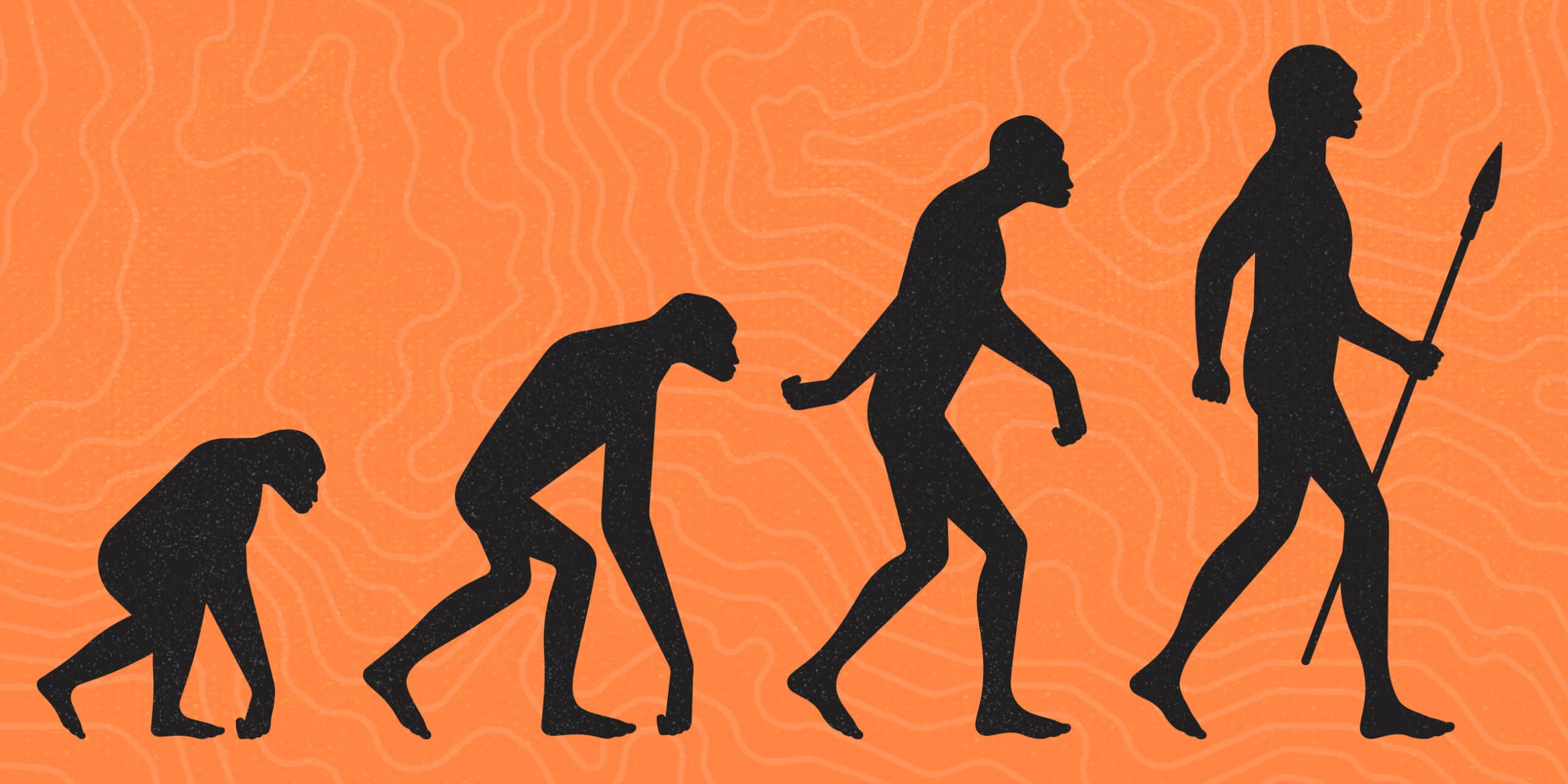
Evolution is a fact and the constantly changing nature of our surroundings and bodies will continue to evolve in the future. Human evolution has a history of around 360 million years old. Here we will talk about 5 changes that have happened in the human body lately that still proves the continuous evolution of humankind. 

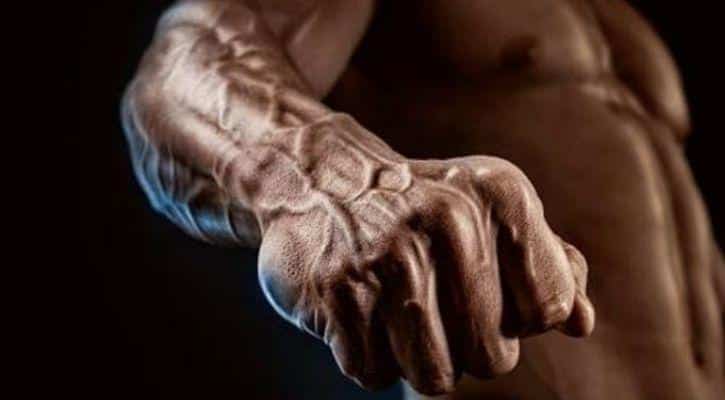
  1. New growing artery in the arm

It was recently reported by Journal of Anatomy that many human beings have developed a new artery in July 2021. The artery that is being talked about used to disappear during the late part of the intrauterine life. The artery persists in some of the studied subjects resulting in additional vascularisation. 
Neuroplasticity: A Universe Inside YouAlso readNeuroplasticity: A Universe Inside You
  1. 5 changes that prove humans are still evolving:
    Image Source: indiatimes

    Lactose tolerance and intolerance

People around the world are still not familiar with the concept of allergies and why they occur. But allergies are some of the most common medical conditions around the world. Milk contains a carbohydrate lactose which cannot be digested by a lot of people. This causes bloating, cramps and vomiting among those people. Our ability to tolerate milk didn’t happen overnight but is a result of genetic changes that occurred between 5,000 and 10,000 years ago among European societies. 

  1. 5 changes that prove humans are still evolving:
    Image Source: thewashingtonpost

    Immune system’s protective gene

The ability to fight viruses and diseases is basically a generational advantage. The fact that not a lot of people die from something as trivial as common old is a testimony of evolutionary traits that were passed from people who survived these infections thousands of years ago. In a similar way, Covid 19 won’t be as lethal as it was in a few hundred years. 

  1. Body temperature

If you think that the normal temperature of the body has always been 98.6 degree Fahrenheit since we started living on this planet, you might be wrong. A professor of medicine at Stanford University, Julie Parsonnet, conducted a study that found that average human temperature is dropping by 0.5 degrees every decade. This means we are cooling down with time. The current normal body temperature is taken to be 97.9 degree Fahrenheit.
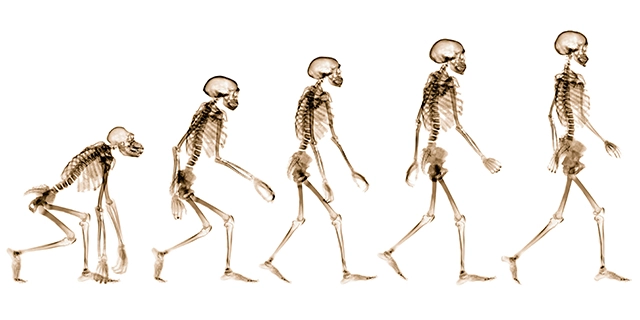
5 changes that prove humans are still evolving:
Image Source: pewreseachcentre
  1. Lighter Bones 

The current human population has lighter bones than what their ancestors used to have. Various evolutionary processes and different changes that happened in the surroundings caused our bones to become weak around 12,000 years ago, at the time where mass farming amongst human communities was happening. A study done in 2015 by an anthropologist Habiba Chirchir, reported that our skeletons have become delicate as food security improved with the advent of agriculture. 

If you thought that human evolution has been stopped, you might have learned something intriguing in this article.

Also Read : 7 Medical Advances Within The History Of Medicine

Source: TheHealthcareDaily 

Enjoyed this story?Share it with your friends
WhatsAppLinkedInXFacebookEmail
See more TSA Mag stories on GoogleAdd us as a preferred source and our stories will show up more often in your Top Stories.
GAdd The Second Angle as a preferred source on Google
ShareSend
Tweet
Previous Post

10 Most Expensive House Plants to Decorate Your Lifestyle

Next Post

Most aesthetic Anime to watch

Related Posts

Traditional Japanese breakfast with grilled fish, rice, miso soup, tofu and pickles at a Kyoto inn
Healthcare

Healthy Breakfasts From Around the World: 11 Dishes to Try

Healthy breakfasts from around the world, from Japan's miso soup to Egypt's ful medames, with simple nutrition facts from WHO...

Read moreDetails
Hazy sunrise over Delhi with smoke from a power plant clouding the sky
Healthcare

Air Pollution and Health: How to Stay Safe on High AQI Days

Air pollution health tips for high AQI days: what India's AQI levels mean, which masks work, and Health Ministry advice...

Read moreDetails
Close-up of an Aedes aegypti mosquito, the species that spreads dengue, feeding on human skin
Healthcare

Dengue Warning Signs: When a Fever Needs Urgent Care in India

Know the dengue warning signs that need urgent care, why the risk rises after fever drops, safe home care and...

Read moreDetails
A glucometer showing a blood sugar reading after a finger-prick test
Healthcare

Prediabetes in India: Blood Sugar Numbers and What to Do Next

Prediabetes affects about 136 million Indians, says ICMR. Learn the HbA1c and fasting sugar ranges, who should test, and steps...

Read moreDetails
Fresh green spinach leaves, a common iron-rich vegetable in Indian kitchens
Healthcare

Anaemia in India: Signs, Causes and Iron-Rich Indian Foods

Anaemia in India affects 57% of women and 67% of young children, says NFHS-5. Know the signs, causes, haemoglobin levels...

Read moreDetails
Do's and Don'ts during pregnancy
Healthcare

7 Common Mistakes First-Time Mothers Should Avoid in Pregnancy

Mistakes to avoid during pregnancy for first-time mothers: missed check-ups, poor diet, skipped supplements, stress and inactivity, as per WHO...

Read moreDetails
Load More
Next Post
Most aesthetic Anime to watch

Most aesthetic Anime to watch

About

The Second Angle

The Second Angle (TSA Mag) is an infotainment and lifestyle magazine covering entertainment, travel, technology, health, education and finance.

Important Links

  • About The Second Angle
  • Advertise With Us
  • Editorial Policy
  • Privacy Policy
  • Terms and Conditions
  • Contact Us
  • Careers
  • Newsletter

Explore

  • Infotainment
  • Entertainment
  • Buzz
  • Education
  • Travel
  • Finance
  • Healthcare
  • Technology
Advertise with us

© 2017-2026. The Second Angle. All Rights Reserved. Developed and Managed by Squarebase.io

Welcome Back!

Login to your account below

Forgotten Password?

Retrieve your password

Please enter your username or email address to reset your password.

Log In
No Result
View All Result
  • Infotainment
    • Sports
    • People
    • Inspiring
  • Entertainment
    • Lifestyle
    • Home & Decoration
  • Buzz
  • Education
  • Travel
  • Finance
  • Healthcare
  • Technology

© 2017-2026. The Second Angle. All Rights Reserved. Developed and Managed by Squarebase.io

We use cookies to keep TSA fast and relevant. Read our Privacy Policy.