




Popular natural ingredients for DIY home remedies include aloe vera, honey, turmeric, coconut oil, apple cider vinegar, tea tree oil, Epsom salt, lavender, oatmeal, witch hazel, ginger and lemon. Some, like aloe vera for minor burns and ginger for nausea, have research support, but most evidence is limited, and none replaces medical treatment.
Many Indian homes already keep these ingredients in the kitchen or on the windowsill. Below is what each one is commonly used for, what health agencies say about the evidence, and the safety points to keep in mind.
Quick facts: natural ingredients and their common uses
| Ingredient | Common home use | Evidence |
|---|---|---|
| Aloe vera | Minor burns, skin care | Some support for burns |
| Honey | Cough, sore throat | Some support in children over 1 year |
| Turmeric | Joint pain, skin masks | Early, needs better studies |
| Ginger | Nausea, period cramps | Some support |
| Tea tree oil | Acne, athlete’s foot | Limited |
| Lavender | Calm, relaxation | Limited, unclear for sleep |
| Coconut oil, oatmeal, Epsom salt, witch hazel, apple cider vinegar, lemon | Skin, hair, soaking, cleaning | Mostly traditional use |
1. Aloe vera
Aloe vera gel is a common soothing treatment for sunburn and minor burns. The US National Center for Complementary and Integrative Health (NCCIH) says clinical research suggests topical aloe may speed burn healing and ease burn pain, and is generally well tolerated.
 Also readHow to Read a Food Label in India: A Simple FSSAI Guide
Eating or drinking aloe is a different matter. NCCIH notes that oral aloe latex can cause cramps and diarrhoea, and oral leaf extracts have been linked to liver problems. Stick to the gel on the skin unless a doctor advises otherwise.
2. Honey
Honey is a long-standing home remedy for coughs and sore throats. Reviews have found moderate to low evidence that honey relieves coughing in children better than no treatment, and the World Health Organization has recommended it for coughs and sore throats.
Never give honey to babies under one year of age, as it can carry spores that cause infant botulism. Medical-grade honey used on wounds is a regulated product, not kitchen honey.
3. Turmeric
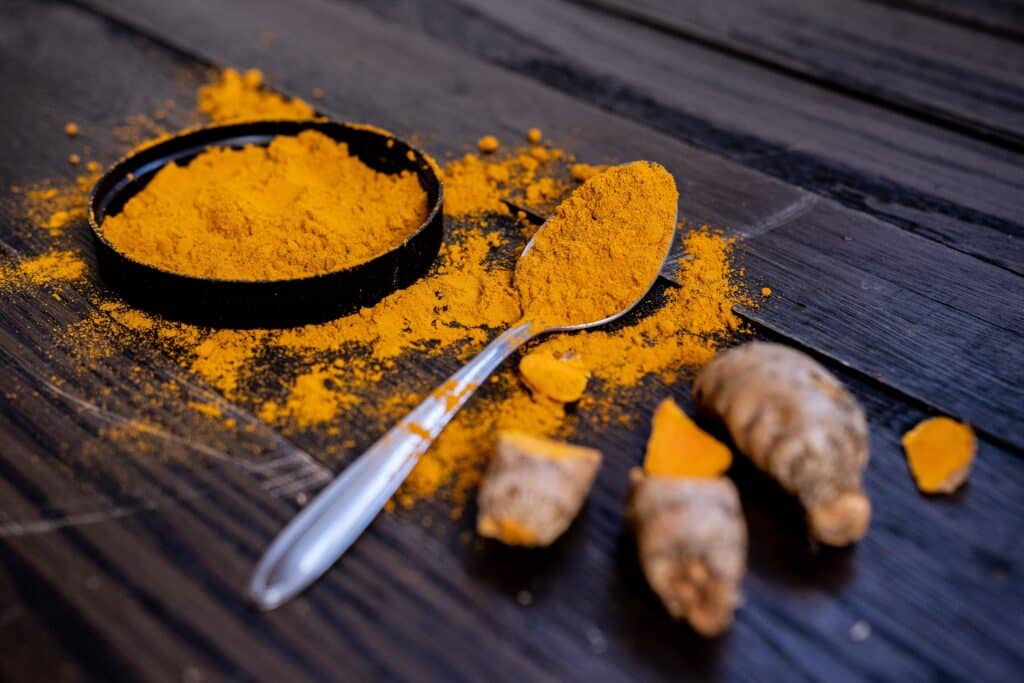
Haldi contains curcumin, which is widely promoted for joint pain. NCCIH says early studies on knee osteoarthritis are positive, but higher-quality research is needed. There is no good evidence that turmeric treats cancer.
Turmeric in food is fine for most people. High-strength curcumin supplements, though, have been linked to liver injury in some cases, so check with a doctor before taking them.
4. Coconut oil
Coconut oil is used across India to moisturise hair and skin and as a simple makeup remover. Some people also use it for oil pulling, swishing it in the mouth.
As with any new product, test it on a small patch of skin first, especially if you have sensitive or acne-prone skin.
5. Apple cider vinegar
Apple cider vinegar is used in diluted form as a hair rinse and skin toner, and some people take small amounts for digestion. Strong research evidence for these uses is limited.
Because it is acidic, always dilute it well with water before using it on skin or hair.
6. Tea tree oil
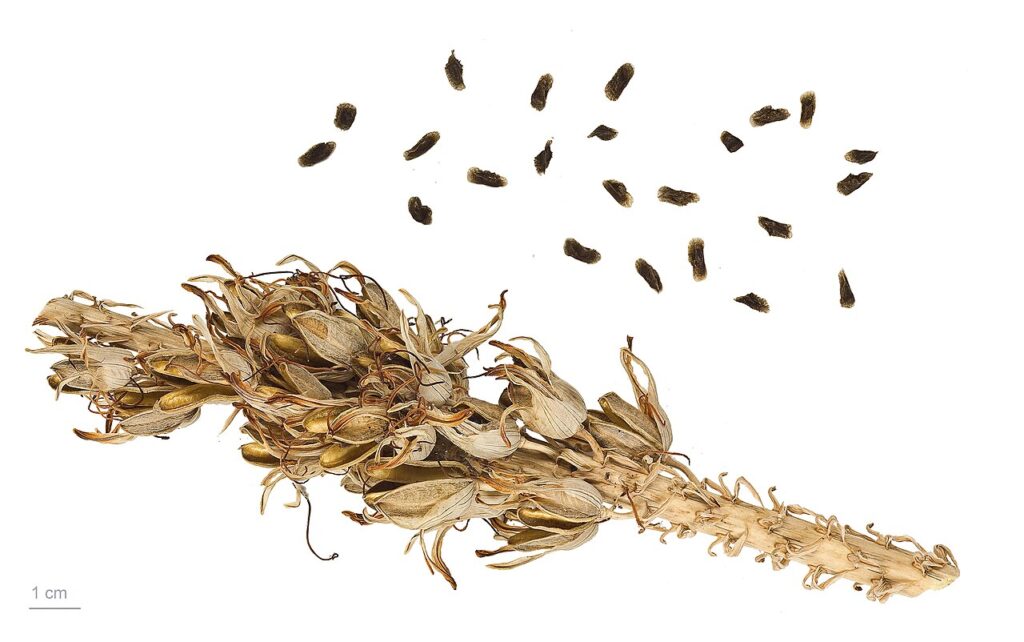
Tea tree oil is popular for pimples and fungal skin problems. NCCIH says a small amount of evidence suggests it may help acne and athlete’s foot, but more studies are needed.
It should never be swallowed, as it can cause confusion and loss of balance. Some people get redness or irritation on the skin, so use a diluted product and patch-test first.
7. Epsom salt
Epsom salt is magnesium sulphate, and many people add it to a warm bath to relax sore muscles after exercise.
A warm soak can feel soothing, but there is little evidence for claims that it “detoxifies” the body.
8. Lavender
Lavender oil is used in aromatherapy to help people relax. NCCIH says oral lavender oil products show possible benefit for anxiety, but it is unclear whether lavender aromatherapy helps sleep, stress or insomnia.
Topical lavender can cause skin allergies in some people. Its safety in pregnancy is poorly studied.
9. Oatmeal
Finely ground oats added to a bath are a traditional way to calm dry, itchy or irritated skin, including mild sunburn.
It is gentle and low-risk, but persistent rashes or eczema flare-ups should be checked by a dermatologist.
10. Witch hazel
Witch hazel is an astringent made from the witch hazel shrub. It is used as a toner to clean the skin and reduce oiliness.
Patch-test it first, and stop using it if your skin becomes dry or irritated.
11. Ginger
Adrak is a kitchen staple for upset stomachs. NCCIH says research suggests ginger may help with nausea and vomiting in pregnancy and may reduce the severity of menstrual cramps.
It can cause heartburn or stomach discomfort in some people and may interact with medicines, so pregnant women and people on regular medication should check with a doctor first.
12. Lemon
Lemon juice, a source of vitamin C, is used in warm water as a morning drink and in home skin care.
Lemon juice is acidic and can irritate the skin, so patch-test it, rinse it off well and stop if you feel stinging.
Simple safety rules for home remedies
- Patch-test first: Apply a small amount on the inner arm and wait a day before using anything new on the face.
- Dilute strong oils: Essential oils like tea tree and lavender should be diluted in a carrier oil.
- Do not swallow essential oils.
- Be careful with children and pregnancy: No honey before age one, and check with a doctor before using supplements in pregnancy.
- See a doctor for burns larger than a small patch, infections, persistent symptoms or any chronic condition.
This article is for general information only. For personal advice, please consult a qualified doctor. Read more in our Health section and find everyday tips in Lifestyle.
Further reading: DIY home remedies.
Frequently asked questions
Which natural ingredients actually work as home remedies?
Aloe vera gel for minor burns, honey for cough in children over one, and ginger for pregnancy nausea have some research support. Many other uses rely mostly on tradition.
Is turmeric safe to take every day?
Turmeric in food is safe for most people. High-dose curcumin supplements have been linked to liver injury in some cases, so speak to a doctor before taking them.
Can I put tea tree oil directly on pimples?
Use a diluted product and patch-test first, as it can cause redness. Tea tree oil must never be swallowed.
Why should babies not be given honey?
Honey can contain spores that cause infant botulism. It is not recommended for children under one year of age.
Sources: NCCIH: Aloe Vera; NCCIH: Turmeric; NCCIH: Ginger; NCCIH: Tea Tree Oil.