


• About   |
  • Advertise |
  • Contact Us
No Result
View All Result
The Second Angle (TSA Magazine)
Advertise
  • Infotainment
    • Sports
    • People
    • Inspiring
  • Entertainment
    • Lifestyle
    • Home & Decoration
  • Buzz
  • Education
  • Travel
  • Finance
  • Healthcare
  • Technology
The Second Angle
No Result
View All Result
  • Infotainment
  • Entertainment
  • Buzz
  • Education
  • Travel
  • Finance
  • Healthcare
  • Technology
Advertisement Advertisement Advertisement
ADVERTISEMENT
Home Education

Fundamental Duties in the Indian Constitution: All 11 Explained Simply

by TSA Desk
September 30, 2026
in Education
Reading Time: 3 mins read
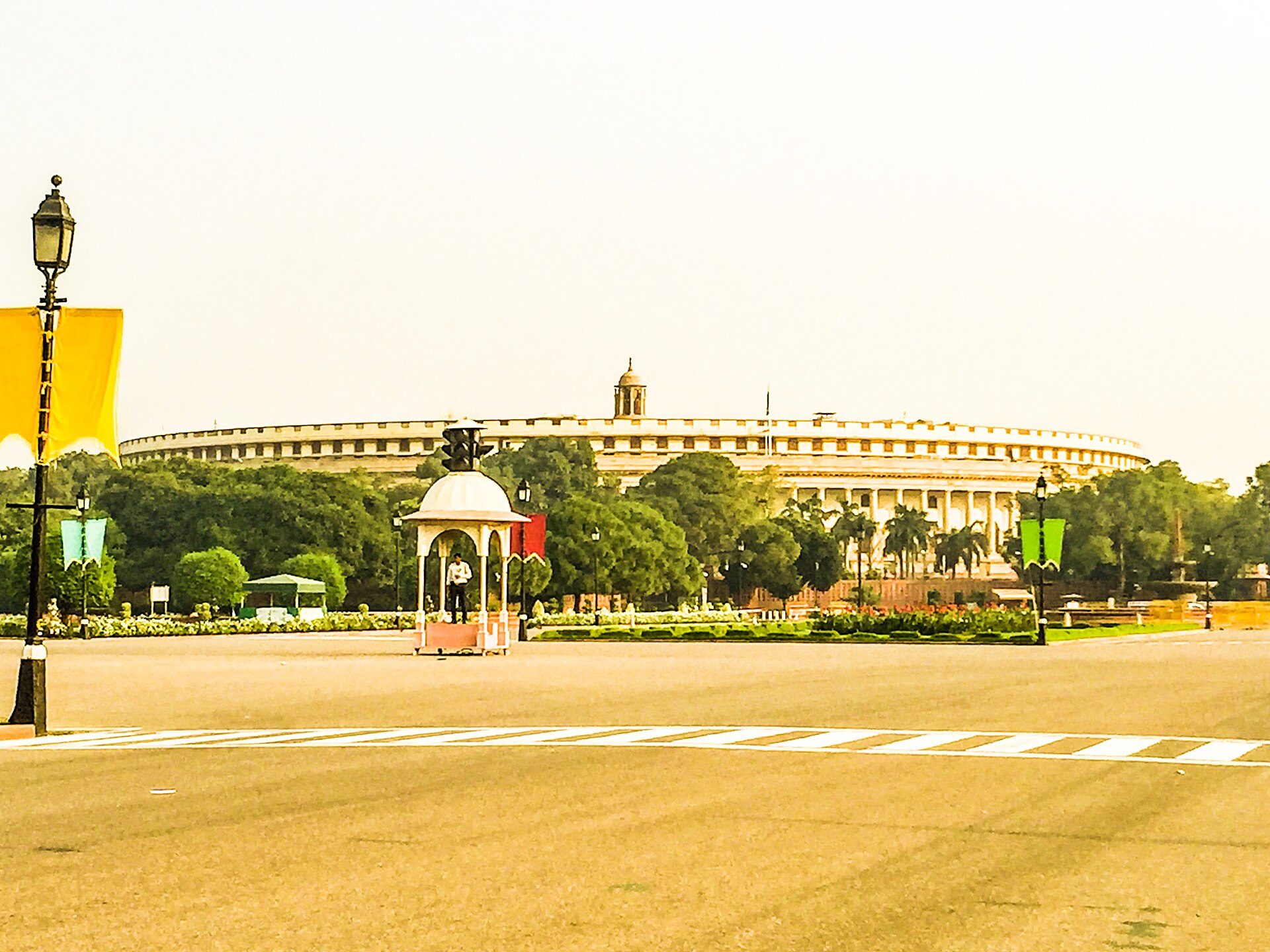
Parliament of India building in New Delhi

Photo: IM3847 / Wikimedia Commons (CC BY-SA 4.0)

Share on FacebookShare on WhatsApp
Advertisement Advertisement Advertisement
ADVERTISEMENT
4 min readGAdd The Second Angle as a preferred source on Google
Key takeaways
All 11 Fundamental Duties in simple words: According to Article 51A, it is the duty of every citizen of India:History of Fundamental Duties: In 1976, during the Emergency, the government set up the Swaran Singh Committee to recommend changes to the...Are Fundamental Duties enforceable?: Fundamental Duties are non-justiciable, which means a court cannot directly punish a person for not following them.Fundamental Rights vs Fundamental DutiesWhy Fundamental Duties matter today: They connect everyday behaviour, such as protecting the environment, respecting diversity and not damaging public property, to the...

Quick answer

The Fundamental Duties are 11 moral and civic obligations of Indian citizens listed in Article 51A, Part IVA of the Constitution. Ten were added by the 42nd Amendment in 1976 on the recommendation of the Swaran Singh Committee, and the eleventh, on education for children, was added by the 86th Amendment in 2002.

While Fundamental Rights protect citizens from the state, Fundamental Duties remind citizens of their responsibilities towards the nation and society. They were not part of the original Constitution adopted in 1950.

A Guide To 7 Fundamental Rights Every Indian Citizen Should KnowAlso readA Guide To 7 Fundamental Rights Every Indian Citizen Should Know
Table of Contents
  • All 11 Fundamental Duties in simple words
  • History of Fundamental Duties
  • Are Fundamental Duties enforceable?
  • Fundamental Rights vs Fundamental Duties
  • Why Fundamental Duties matter today
  • Frequently asked questions
    • How many Fundamental Duties are there in the Indian Constitution?
    • Which amendment added Fundamental Duties?
    • Are Fundamental Duties legally enforceable?

All 11 Fundamental Duties in simple words

According to Article 51A, it is the duty of every citizen of India:

  1. To abide by the Constitution and respect its ideals and institutions, the National Flag and the National Anthem.
  2. To cherish and follow the noble ideals that inspired the national struggle for freedom.
  3. To uphold and protect the sovereignty, unity and integrity of India.
  4. To defend the country and render national service when called upon to do so.
  5. To promote harmony and a spirit of common brotherhood among all people of India, beyond religious, linguistic, regional or sectional differences, and to renounce practices that are derogatory to the dignity of women.
  6. To value and preserve the rich heritage of the country’s composite culture.
  7. To protect and improve the natural environment, including forests, lakes, rivers and wildlife, and to have compassion for living creatures.
  8. To develop scientific temper, humanism and the spirit of inquiry and reform.
  9. To safeguard public property and to abjure violence.
  10. To strive towards excellence in all spheres of individual and collective activity, so that the nation keeps rising to higher levels of achievement.
  11. For a parent or guardian, to provide opportunities for education to their child or ward between the ages of 6 and 14 years.

History of Fundamental Duties

In 1976, during the Emergency, the government set up the Swaran Singh Committee to recommend changes to the Constitution. Based on its recommendations, the 42nd Amendment Act added Part IVA and ten duties. The idea is often traced to the constitution of the former USSR, which also listed citizens’ duties. In 2002, the 86th Amendment made elementary education a Fundamental Right under Article 21A and added the eleventh duty for parents and guardians.

Are Fundamental Duties enforceable?

Fundamental Duties are non-justiciable, which means a court cannot directly punish a person for not following them. However, Parliament can make laws to enforce them, and several laws already reflect them, such as laws against insulting the National Flag and laws protecting wildlife and public property. Courts also refer to Fundamental Duties when interpreting laws.

Fundamental Rights vs Fundamental Duties

  • Location: Rights are in Part III (Articles 12 to 35); duties are in Part IVA (Article 51A).
  • Enforceability: Rights are enforceable in court; duties are not directly enforceable.
  • Origin: Rights were in the original Constitution; duties were added in 1976.
  • Who they apply to: some rights apply to all persons; duties apply to citizens.

Why Fundamental Duties matter today

They connect everyday behaviour, such as protecting the environment, respecting diversity and not damaging public property, to the values of the Constitution. Constitution Day, observed on 26 November each year, is often used by schools and offices to promote awareness of these duties.

Frequently asked questions

How many Fundamental Duties are there in the Indian Constitution?

There are 11 Fundamental Duties, listed in Article 51A of the Indian Constitution.

Which amendment added Fundamental Duties?

The 42nd Amendment of 1976 added ten Fundamental Duties. The 86th Amendment of 2002 added the eleventh.

Are Fundamental Duties legally enforceable?

No, they are non-justiciable. Courts cannot directly enforce them, but Parliament can pass laws to give effect to them.

Sources and further reading

  • Legislative Department: Constitution of India

Featured image: Photo: IM3847 / Wikimedia Commons (CC BY-SA 4.0)
Enjoyed this story?Share it with your friends
WhatsAppLinkedInXFacebookEmail
See more TSA Mag stories on GoogleAdd us as a preferred source and our stories will show up more often in your Top Stories.
GAdd The Second Angle as a preferred source on Google
ShareSend
Tweet
Previous Post

What Is a Large Language Model (LLM)? A Plain-English Guide

Next Post

How to Take Better Notes: 5 Proven Methods for Students

Related Posts

Student holding a school marksheet and certificate papers at a desk
Education

CBSE Duplicate Marksheet Online: DigiLocker, DADS, Fees and Steps

How to get a CBSE duplicate marksheet online through DigiLocker or the DADS portal, with fees, documents needed, offline route...

Read moreDetails
Student converting CGPA on a marksheet to percentage with a calculator
Education

CGPA to Percentage Formula: CBSE and University Rules Explained

CGPA to percentage formula for CBSE (CGPA x 9.5) and verified university rules for Anna University, KTU and JUT, with...

Read moreDetails
College student creating an Academic Bank of Credits ID on a laptop
Education

How to Create ABC ID: Academic Bank of Credits Guide 2026

How to create ABC ID on DigiLocker step by step, how Academic Bank of Credits stores credits, the APAAR link,...

Read moreDetails
College students on an Indian university campus
Education

PM Vidyalaxmi Scheme: Collateral-Free Education Loan Guide

PM Vidyalaxmi scheme guide: collateral-free education loans for 1,425 institutions, 3% interest subvention, eligibility, loan rules and how to apply.

Read moreDetails
Students writing an entrance examination
Education

NTA Exam Calendar 2026-27: JEE Main 2027, UGC NET, CUET PG Dates

NTA exam calendar 2026-27: JEE Main 2027 Session 1, UGC NET December 2026, CUET PG and CMAT 2027 dates, plus...

Read moreDetails
Student holding a school marksheet and certificate papers at a desk
Education

CBSE Class 10 Two Board Exams 2027: Rules, Dates and Results

CBSE Class 10 two board exams explained: compulsory February exam, optional May exam for up to three subjects, 2026 results...

Read moreDetails
Load More
Next Post
An open notebook with handwritten notes and a pen

How to Take Better Notes: 5 Proven Methods for Students

About

The Second Angle

The Second Angle (TSA Mag) is an infotainment and lifestyle magazine covering entertainment, travel, technology, health, education and finance.

Important Links

  • About The Second Angle
  • Advertise With Us
  • Editorial Policy
  • Privacy Policy
  • Terms and Conditions
  • Contact Us
  • Careers
  • Newsletter

Explore

  • Infotainment
  • Entertainment
  • Buzz
  • Education
  • Travel
  • Finance
  • Healthcare
  • Technology
Advertise with us

© 2017-2026. The Second Angle. All Rights Reserved. Developed and Managed by Squarebase.io

Welcome Back!

Login to your account below

Forgotten Password?

Retrieve your password

Please enter your username or email address to reset your password.

Log In
No Result
View All Result
  • Infotainment
    • Sports
    • People
    • Inspiring
  • Entertainment
    • Lifestyle
    • Home & Decoration
  • Buzz
  • Education
  • Travel
  • Finance
  • Healthcare
  • Technology

© 2017-2026. The Second Angle. All Rights Reserved. Developed and Managed by Squarebase.io

We use cookies to keep TSA fast and relevant. Read our Privacy Policy.