

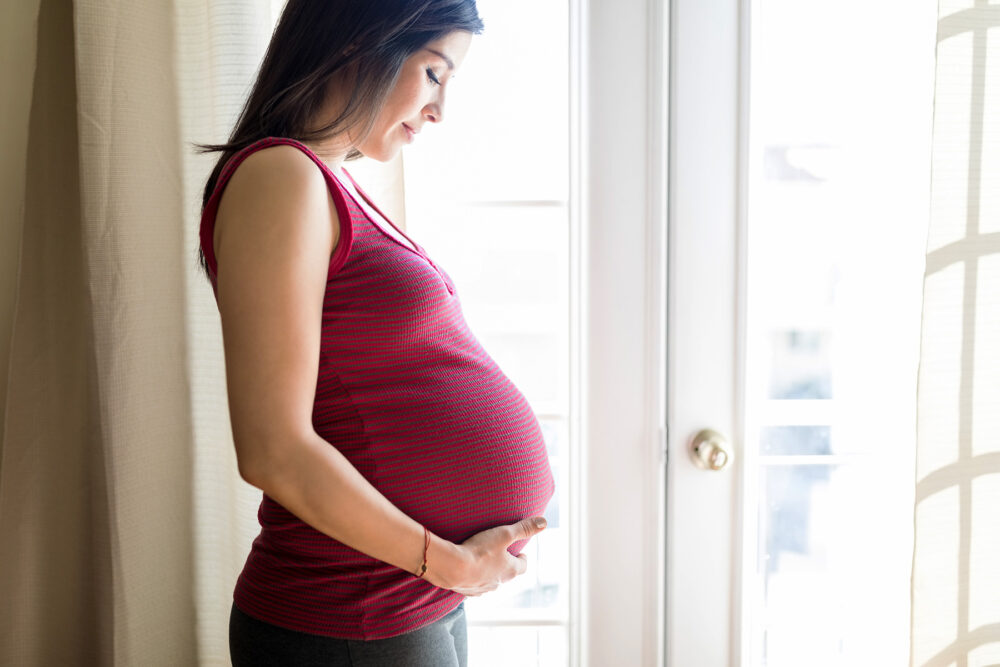

Common mistakes first-time expecting mothers should avoid include skipping antenatal check-ups, eating an unbalanced diet, missing iron and folic acid supplements, gaining too much or too little weight, ignoring stress, sleeping poorly, avoiding all exercise and not drinking enough water. Most are easy to correct with regular check-ups and advice from your doctor.
A first pregnancy brings a lot of advice from family, friends and the internet, and not all of it is correct. This guide lists the most common mistakes, based on guidance from the World Health Organization (WHO), India’s Ministry of Health and Family Welfare (MoHFW) and the Indian Council of Medical Research (ICMR). It is general information only. Every pregnancy is different, so please consult your gynaecologist or obstetrician for personal advice.
Quick summary
| Mistake | What official guidance suggests |
|---|---|
| Skipping check-ups | WHO recommends at least eight antenatal contacts |
| “Eating for two” | ICMR-NIN suggests only a modest calorie increase in later pregnancy |
| Missing supplements | MoHFW provides iron and folic acid tablets free under Anemia Mukt Bharat |
| Avoiding exercise | WHO advises regular moderate activity if there are no complications |
7 common mistakes to avoid during pregnancy
1. Skipping or delaying antenatal check-ups
Some first-time mothers wait until the second or third month to see a doctor, or skip visits when they feel fine. Antenatal visits help detect problems such as anaemia, high blood pressure and gestational diabetes early. The WHO recommends at least eight antenatal contacts during pregnancy, with the first in the first 12 weeks.
 Also readWhy Fit People Are Still Getting Heart Issues: 8 Hidden Causes
In India, government health facilities offer free check-ups. Under the Pradhan Mantri Surakshit Matritva Abhiyan, pregnant women can get a free antenatal check-up on the 9th of every month at government centres. Register your pregnancy early and keep your Mother and Child Protection card updated.
2. Eating an unbalanced diet, or “eating for two”
A common belief in Indian homes is that a pregnant woman must eat for two. In reality, the extra energy needed is modest. ICMR’s National Institute of Nutrition recommends about 350 extra kilocalories a day in the second and third trimesters, roughly one extra small meal, not double portions.
What matters more is variety. Include whole grains, pulses, green leafy vegetables, fruit, milk or curd, and eggs, fish or meat if you eat them. Many women find smaller, more frequent meals easier, especially with nausea or acidity. Avoid raw or undercooked meat and eggs, and unpasteurised milk.
3. Missing iron, folic acid and calcium supplements
Anaemia is common among pregnant women in India, and it raises risks for both mother and baby. The WHO recommends daily iron and folic acid supplements during pregnancy. Folic acid is especially important in the early weeks, when it helps prevent neural tube defects in the baby.
Under the government’s Anemia Mukt Bharat programme, iron and folic acid tablets are given free to pregnant women, and calcium supplements are also provided. Some women stop the tablets because of mild side effects such as constipation. Do not stop on your own. Speak to your doctor, who can suggest ways to manage the side effects. Take supplements only as prescribed.

4. Gaining too much or too little weight
Weight gain in pregnancy is normal and necessary, but the healthy range depends on your weight before pregnancy. Guidelines from the US Institute of Medicine, widely used by doctors, suggest a total gain of about 11.5 to 16 kg for women who start at a healthy weight, with lower ranges for women who are overweight.
Too much weight gain is linked to gestational diabetes and high blood pressure. Too little can affect the baby’s growth. Your doctor will track your weight at each visit, so ask what range is right for you.
5. Ignoring stress and mood changes
Pregnancy brings hormonal changes along with worries about health, money and work. Some stress is normal. Constant anxiety, low mood or trouble sleeping for more than a couple of weeks, however, should not be brushed aside. Depression during and after pregnancy is a recognised medical condition, and it can be treated.
Talk openly with your partner and family, keep some time for rest, and tell your doctor about mood changes. Gentle activities such as walking, breathing exercises and prenatal yoga under guidance can help.
6. Not getting enough sleep, or sleeping in the wrong position
Tiredness is common, especially in the first and third trimesters. Poor sleep adds to fatigue and stress. Try to keep a regular sleep routine, limit screens before bed and rest during the day when you can.
In later pregnancy, many health bodies, including the UK’s National Health Service, advise going to sleep on your side from about 28 weeks rather than on your back. A pillow between the knees or behind the back can make side-sleeping more comfortable.
7. Avoiding all exercise
Many first-time mothers are told to rest completely. Unless your doctor has advised bed rest, staying active is generally helpful. The WHO recommends that pregnant women without contraindications do at least 150 minutes of moderate aerobic activity across the week, such as brisk walking.
Avoid contact sports, activities with a risk of falling and lying flat on your back for long periods later in pregnancy. Stop and contact your doctor if you have bleeding, dizziness, chest pain or fluid leakage.
Two more mistakes worth noting
- Not drinking enough water: Your body needs more fluid during pregnancy, and dehydration can add to constipation, headaches and urinary infections. Drink water regularly through the day, more in hot weather. There is no single number that fits everyone, so ask your doctor if you are unsure.
- Self-medicating: Many common medicines, including some painkillers and herbal remedies, are not safe in pregnancy. Take only what your doctor prescribes, and complete the recommended tetanus-diphtheria (Td) vaccination as advised.
For more health guides, visit our health section and our lifestyle section.
This article is for general information only and does not replace medical advice. Please consult a qualified doctor for advice about your own pregnancy.
Further reading: Telegram.
Frequently asked questions
How many antenatal check-ups are needed during pregnancy?
The WHO recommends at least eight antenatal contacts. Your doctor may advise more depending on your health.
Do pregnant women need to eat for two?
No. ICMR-NIN suggests about 350 extra kilocalories a day in the second and third trimesters. Focus on a varied, balanced diet.
Is it safe to exercise during pregnancy?
For most women without complications, yes. The WHO recommends about 150 minutes of moderate activity a week. Check with your doctor first.
Are iron and folic acid tablets free in India?
Yes. Pregnant women can get them free at government health facilities under the Anemia Mukt Bharat programme.
Sources: WHO antenatal care recommendations, WHO physical activity fact sheet, MoHFW PMSMA, NHS pregnancy guide.