


Quick answer
The Apu Trilogy is three Bengali films by Satyajit Ray: Pather Panchali (1955), Aparajito (1956) and Apur Sansar (1959). Watch them in that order. Together they follow Apu from childhood in a Bengal village to adulthood in Kolkata, and they are widely regarded as some of the greatest films ever made.
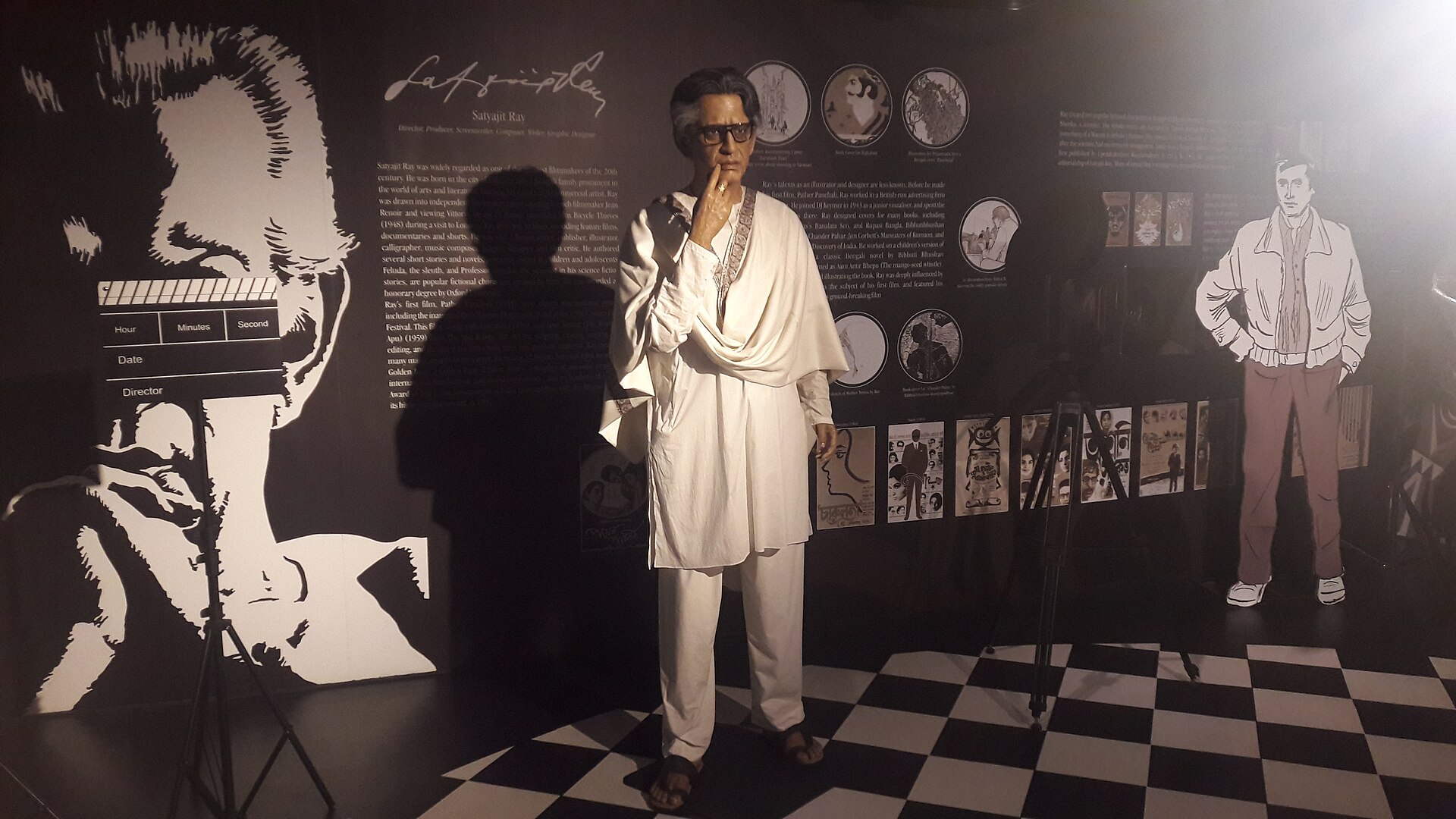
The trilogy is based on two novels by Bibhutibhushan Bandyopadhyay, Pather Panchali and Aparajito. Ray, then working in advertising, made the first film on a tiny budget with a largely new cast and crew, and it changed the course of Indian cinema.
 Also readCBFC Film Certificates Explained: U, UA 7+, UA 13+, UA 16+, A and S
The three films in order
1. Pather Panchali (1955)
Young Apu grows up in a poor family in rural Bengal with his sister Durga, his mother Sarbajaya and his father Harihar. The film captures small moments of village life, including the famous scene of Apu and Durga running through a field of kash flowers to see a train. It received the “Best Human Document” award at the Cannes Film Festival in 1956.
2. Aparajito (1956)
The family moves to Varanasi, and later Apu leaves for school and then college in Kolkata. The film is about the pull between a mother and a son who is growing away from her. It won the Golden Lion at the Venice Film Festival in 1957.
3. Apur Sansar (1959)
Now an adult in Kolkata, Apu hopes to be a writer. An unexpected marriage changes his life. The film marked the screen debuts of Soumitra Chatterjee and Sharmila Tagore, both of whom went on to long careers.
Why the Apu Trilogy still matters
- It introduced Indian cinema to the world. The success of Pather Panchali abroad put Indian art cinema on the international map.
- It showed ordinary life with honesty. Shot largely on location with natural light, it moved away from studio-bound melodrama.
- It shaped generations of filmmakers. Directors in India and abroad have cited Ray’s humanism and restraint as an influence.
- Its music is iconic. Ravi Shankar composed the score, and Subrata Mitra’s cinematography set new standards.
Awards and recognition
Beyond Cannes and Venice, the films won several National Film Awards. In 1992, Satyajit Ray received an Honorary Academy Award for his lifetime of work, and he was awarded the Bharat Ratna the same year.
How to watch the Apu Trilogy today
The original negatives were badly damaged in a fire at a London film laboratory in 1993. The Academy Film Archive and the Criterion Collection later restored the trilogy, and the restored versions were released in 2015. Availability on streaming services changes, so check current listings, and look for the restored versions for the best picture and sound.
Tips for first-time viewers
- Watch with subtitles and without distractions. The films reward patience.
- Watch the three films over a few days rather than all at once.
- Notice recurring images such as trains, water and windows, which link the three films.
Frequently asked questions
In what order should I watch the Apu Trilogy?
Watch Pather Panchali (1955) first, then Aparajito (1956) and finally Apur Sansar (1959).
Who composed the music for Pather Panchali?
Sitar maestro Ravi Shankar composed the music for Pather Panchali and the other films of the trilogy.
What award did Pather Panchali win at Cannes?
Pather Panchali received the Best Human Document award at the Cannes Film Festival in 1956.
Sources and further reading
Featured image: Photo: Softhunterdevil / Wikimedia Commons (CC BY-SA 4.0)