


Quick answer
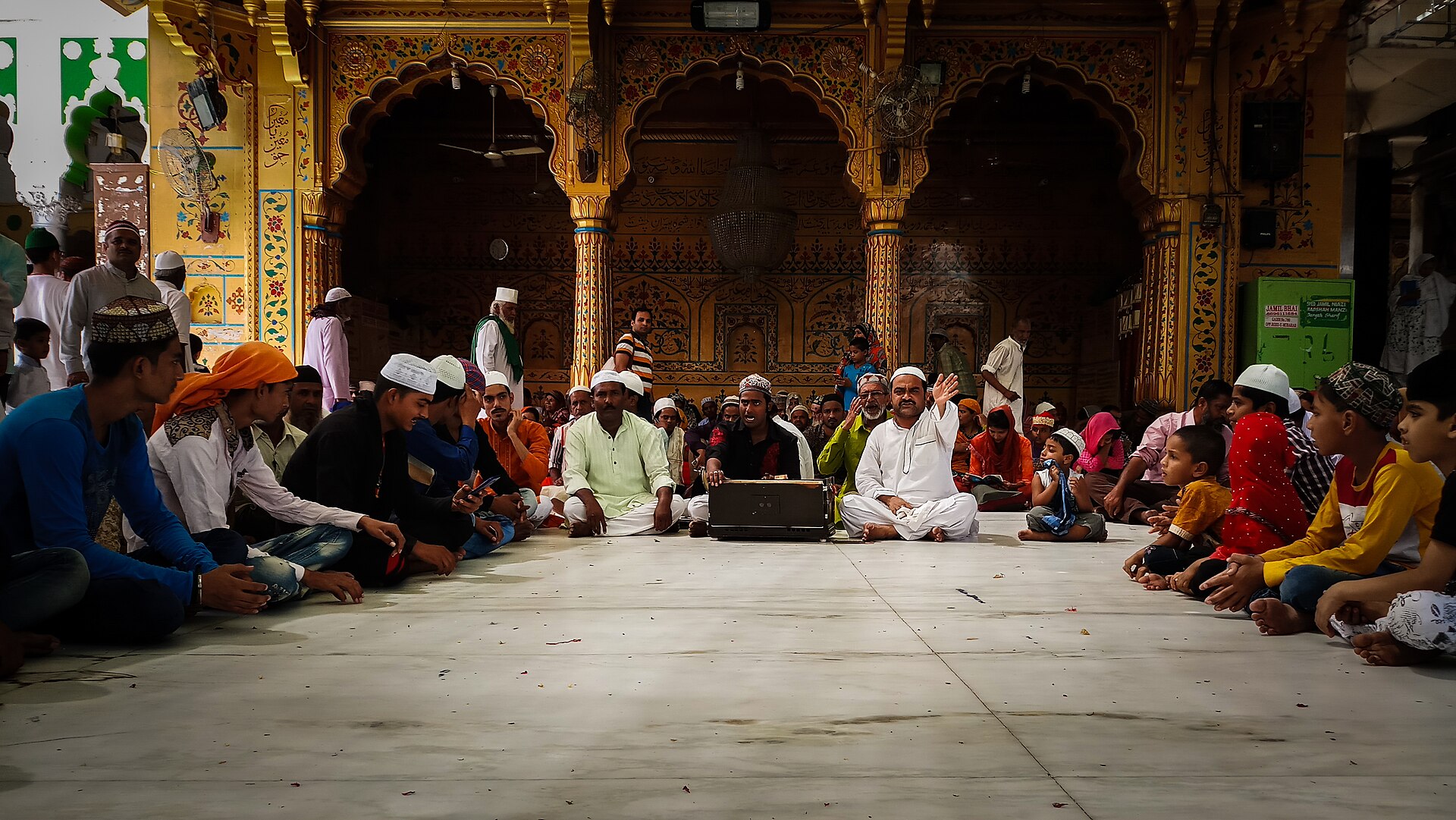
Qawwali is a form of devotional music linked to the Sufi tradition of South Asia. It is usually sung by a group led by one or two main singers, backed by harmonium, tabla or dholak and rhythmic handclaps. The 13th to 14th century poet and musician Amir Khusrau is traditionally credited with shaping it.
The word qawwali comes from the Arabic qaul, meaning “saying” or “utterance”. Qawwalis are performed at Sufi shrines, or dargahs, such as the Nizamuddin Dargah in Delhi and the Ajmer Sharif Dargah in Rajasthan, especially on Thursday evenings and during the annual urs festivals.
 Also readSatyajit Ray’s Apu Trilogy: A Beginner’s Guide to the Films and Why They Matter
Where qawwali comes from
Qawwali grew out of sama, the Sufi practice of listening to music and poetry as a path to spiritual closeness with God. It is most strongly associated with the Chishti order of Sufis, whose saints include Moinuddin Chishti of Ajmer and Nizamuddin Auliya of Delhi. Amir Khusrau, a disciple of Nizamuddin Auliya, wrote verses and is said to have created musical forms that qawwals still perform.
How a qawwali performance works
- The ensemble: a lead singer (and often a second lead), a chorus that repeats key lines, a harmonium, and tabla or dholak.
- The build-up: a qawwali often starts slowly with an instrumental prelude and a sung introduction, then builds in tempo and intensity.
- Repetition: key phrases are repeated many times, which helps listeners enter a meditative state.
- Languages: lyrics are in Urdu, Persian, Punjabi, Hindi and Braj Bhasha, drawing on poets such as Amir Khusrau, Rumi and Bulleh Shah.
Common types of qawwali
- Hamd: praise of God
- Naat: praise of the Prophet Muhammad
- Manqabat: praise of Sufi saints such as Ali or Moinuddin Chishti
- Ghazal-style qawwali: poems of love and longing that can be read as both human and divine love
Great voices to start with
- Nusrat Fateh Ali Khan: the Pakistani qawwal who brought qawwali to global audiences in the 1980s and 1990s.
- Sabri Brothers: known for powerful devotional performances such as “Bhar Do Jholi Meri”.
- Aziz Mian: famous for long, dramatic qawwalis and philosophical lyrics.
- Abida Parveen: one of the best-known singers of Sufi poetry, though she performs mainly in the kafi and ghazal styles.
- Wadali Brothers: Indian Sufi singers from Punjab known for their devotional folk style.
- Nizami Bandhu: a family of qawwals associated with the Nizamuddin Dargah in Delhi.
Qawwali in Hindi cinema
Hindi films have used qawwali for decades, from classics like “Pardah Hai Pardah” in Amar Akbar Anthony (1977) to devotional songs such as “Khwaja Mere Khwaja” in Jodhaa Akbar (2008) and “Arziyan” in Delhi-6 (2009). Film qawwalis are often shorter and more polished than those performed at shrines.
How to experience qawwali
The most memorable way is to attend a Thursday evening session at a dargah, where anyone can sit and listen. Dress modestly, cover your head, remove your shoes and follow local customs. Recordings of live performances also capture the long, building structure better than studio versions.
Frequently asked questions
Who is known as the father of qawwali?
Amir Khusrau, the 13th to 14th century poet and disciple of Nizamuddin Auliya, is traditionally regarded as the father of qawwali.
What instruments are used in qawwali?
Qawwali typically uses the harmonium, tabla or dholak, and rhythmic handclapping by the chorus.
Where can I listen to live qawwali in India?
Thursday evening sessions at the Nizamuddin Dargah in Delhi and at the Ajmer Sharif Dargah in Rajasthan are among the best-known.
Sources and further reading
Featured image: Photo: Saswat swarup mishra / Wikimedia Commons (CC BY-SA 4.0)