

The best time to visit Spiti Valley is from June to September, when both road routes are usually open and the weather is mild. Spiti sits in Lahaul and Spiti district of Himachal Pradesh. Indian citizens do not need a permit, and the valley can be reached by road from Shimla through Kinnaur or from Manali over Kunzum Pass.
Spiti is a cold, high-altitude desert on the Indian side of the Tibetan plateau. Its main town, Kaza, is at about 3,650 metres. Most of the valley lies higher than popular hill stations such as Shimla or Manali, which is why planning matters more here than on a regular holiday.
Spiti Valley at a glance
| Detail | Information |
|---|---|
| State and district | Himachal Pradesh, Lahaul and Spiti district |
| Main town | Kaza, about 3,650 m |
| Routes | Shimla to Kinnaur to Kaza (all year, subject to weather); Manali to Atal Tunnel to Kunzum Pass to Kaza (summer only) |
| Highest point on the Manali route | Kunzum Pass, 4,551 m |
| Permit for Indians | Not required |
| Permit for foreigners | Inner Line Permit required |
| Ideal trip length | 7 to 10 days from Delhi or Chandigarh |
Best time to visit Spiti Valley
June to September
This is the main travel season. Days are pleasant, most homestays and cafes are open, and the Manali route over Kunzum Pass is normally motorable. Kunzum Pass usually opens around June or July and stays open until October or November, depending on snow and road repair work by the Border Roads Organisation.
 Also read20 Most Interesting Facts About Orlando
July and August bring the monsoon to the lower hills of Himachal. Spiti itself gets little rain, but landslides on the approach roads in Kinnaur and near Manali can cause delays. Keep one or two buffer days in this period.
October
Crowds thin out, the sky is clear and the barley fields turn golden. Nights become very cold, and some guesthouses begin to shut. The Manali side can close suddenly after the first heavy snowfall, so confirm the road status before you leave.
November to May
Winter in Spiti is harsh. The valley is cut off from the Manali side for five to six months each year because snow blocks the Kunzum Pass road. The Kinnaur route stays open, and a small number of operators run winter trips, but this is only for travellers who are prepared for sub-zero temperatures, limited facilities and frozen water pipes.
How to reach Spiti Valley
Route 1: Shimla and Kinnaur
This route follows the Sutlej and then the Spiti river through Kinnaur, passing places such as Reckong Peo, Nako and Tabo before reaching Kaza. The road from Shimla to Kaza is around 412 km and is long and tiring in parts. Its big advantage is that it climbs slowly, which gives your body time to adjust to the altitude. Most travellers break the journey at Sarahan or Sangla, then Kalpa or Reckong Peo, and then Nako or Tabo.
Route 2: Manali and Kunzum Pass
From Manali, the road goes through the Atal Tunnel into Lahaul, then over Kunzum Pass and down to Losar and Kaza. Kunzum Pass is 79 km from Kaza. This route is shorter, but it gains height quickly and includes rough, unpaved stretches with water crossings. It is open only in summer.
A popular plan is a circuit: enter from Shimla, exit via Manali. This combines safe acclimatisation with a faster return.
Nearest airports and railheads
The closest airports are at Shimla (Jubbarhatti) and Bhuntar near Kullu, both with limited flights. Chandigarh has the nearest major airport and railway station. From there, most people continue by self-drive, hired taxi or Himachal Road Transport Corporation bus.
Permits and paperwork
Indian citizens do not need any permit to visit Spiti. Carry a government photo ID, as there are police check posts along the way. Foreign nationals need an Inner Line Permit, mainly for the stretch near the international border between Kinnaur and Spiti. If you are travelling with friends from abroad, sort this out in advance through the district administration.
Places to see in Spiti Valley
1. Key Monastery
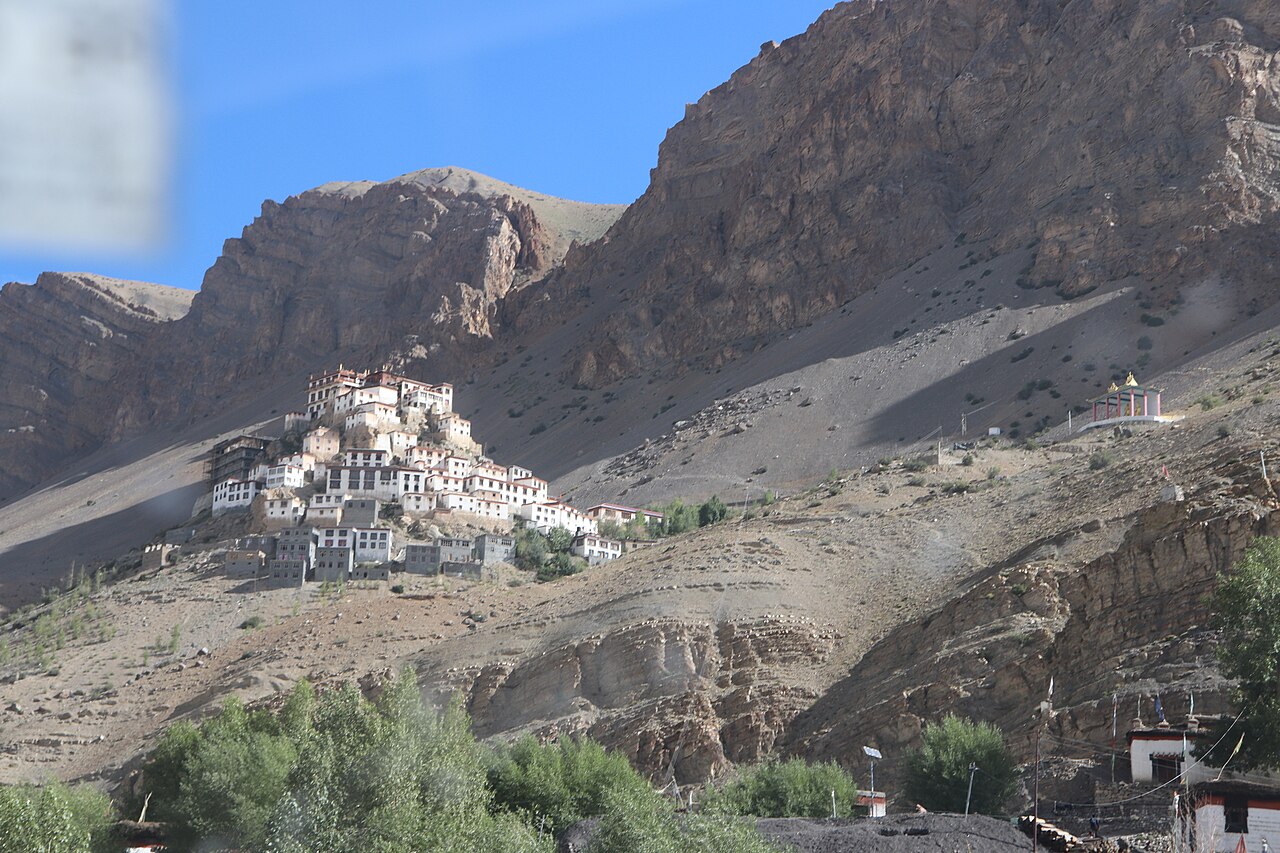
Key (also spelt Kee) Monastery stands on a hill above the Spiti river near Kaza. It belongs to the Gelug school of Tibetan Buddhism and is the most photographed spot in the valley.
2. Tabo Monastery
Founded in 996 CE, Tabo is one of the oldest functioning Buddhist monasteries in the Himalaya. Its mud-walled halls hold old murals and clay figures. Photography is restricted inside some halls, so ask before you shoot.
3. Chandratal Lake
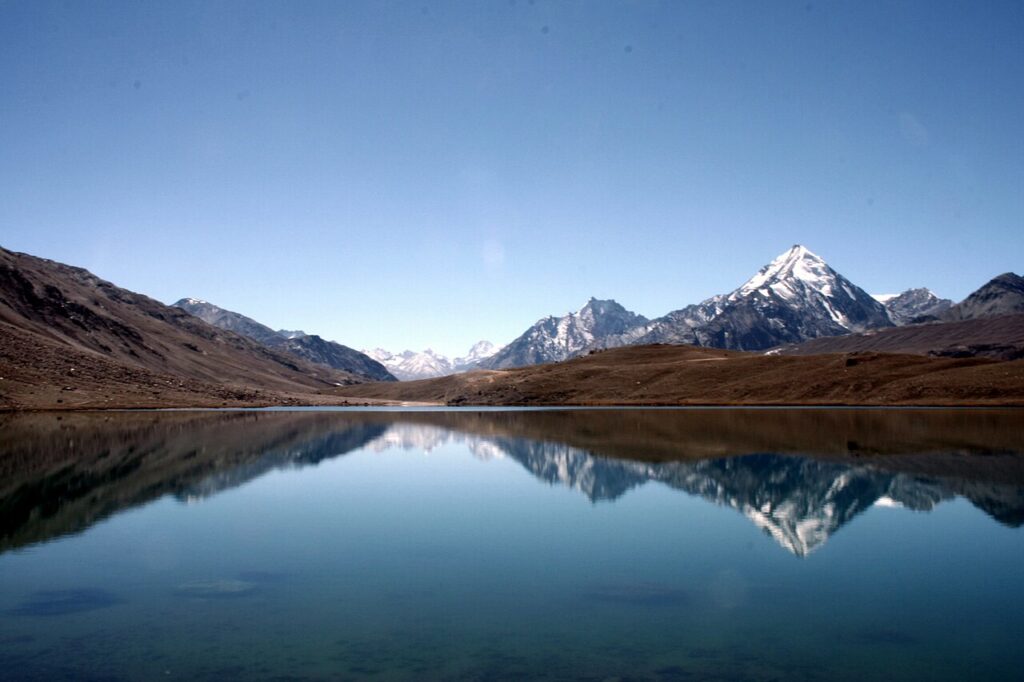
Chandratal is a high-altitude lake on the Lahaul side, about 15 km from Kunzum Pass. Camps operate near it in summer. It is best visited when the Manali route is open.
4. Pin Valley National Park
Pin Valley is a protected area south of Kaza, known for its bare, rocky slopes and wildlife such as the Himalayan ibex. Mudh village at the end of the road is a quiet base for short walks.
5. Komic, Hikkim and Langza
These villages above Kaza are among the highest motorable villages in the region. Hikkim has a post office that visitors seek out to send postcards, and Langza is known for its large Buddha statue and fossils found in the area.
Acclimatisation and health
Acute mountain sickness can affect anyone above about 2,500 metres, regardless of fitness. Common signs include headache, nausea, breathlessness and poor sleep. Climb gradually, drink enough water, avoid alcohol for the first couple of days and rest on arrival in Kaza. If symptoms get worse, descend and seek medical help. People with heart or lung conditions should consult a doctor before planning the trip.
Practical tips for Indian travellers
- Cash: ATMs are few and can run dry. Carry enough cash, though UPI works in Kaza where there is network.
- Mobile network: BSNL and Jio generally have the best coverage, but expect long stretches without signal.
- Fuel: Fill up at every available pump. Kaza has a petrol pump, and the gap between pumps is long on both routes.
- Clothing: Pack layers, a windproof jacket, sunglasses and sunscreen even in summer.
- Stays: Homestays are common and simple. Book ahead for July and August weekends.
- Respect local customs: Walk clockwise around stupas and prayer wheels, and dress modestly in monasteries.
For more ideas on mountain holidays, see the TSA travel section, and read our health coverage for general wellness tips before a high-altitude trip.
Frequently asked questions
Do Indians need a permit for Spiti Valley?
No. Indian citizens can visit Spiti without a permit. Carry a valid photo ID for police check posts. Foreign nationals need an Inner Line Permit.
Which is the best month to visit Spiti?
June to September is the best window, since both routes are usually open. Late September and early October are quieter, with clear skies but colder nights.
Is Spiti open in winter?
The Kinnaur route stays open in winter, subject to snowfall, but the Manali route over Kunzum Pass closes for five to six months. Winter trips need careful planning and warm gear.
How many days are enough for Spiti?
Plan at least seven to eight days from Chandigarh or Delhi for a Shimla to Manali circuit. Add two buffer days during the monsoon months.
Sources: Spiti Valley, Wikipedia; Kunzum Pass, Wikipedia; Himachal Pradesh Tourism.