
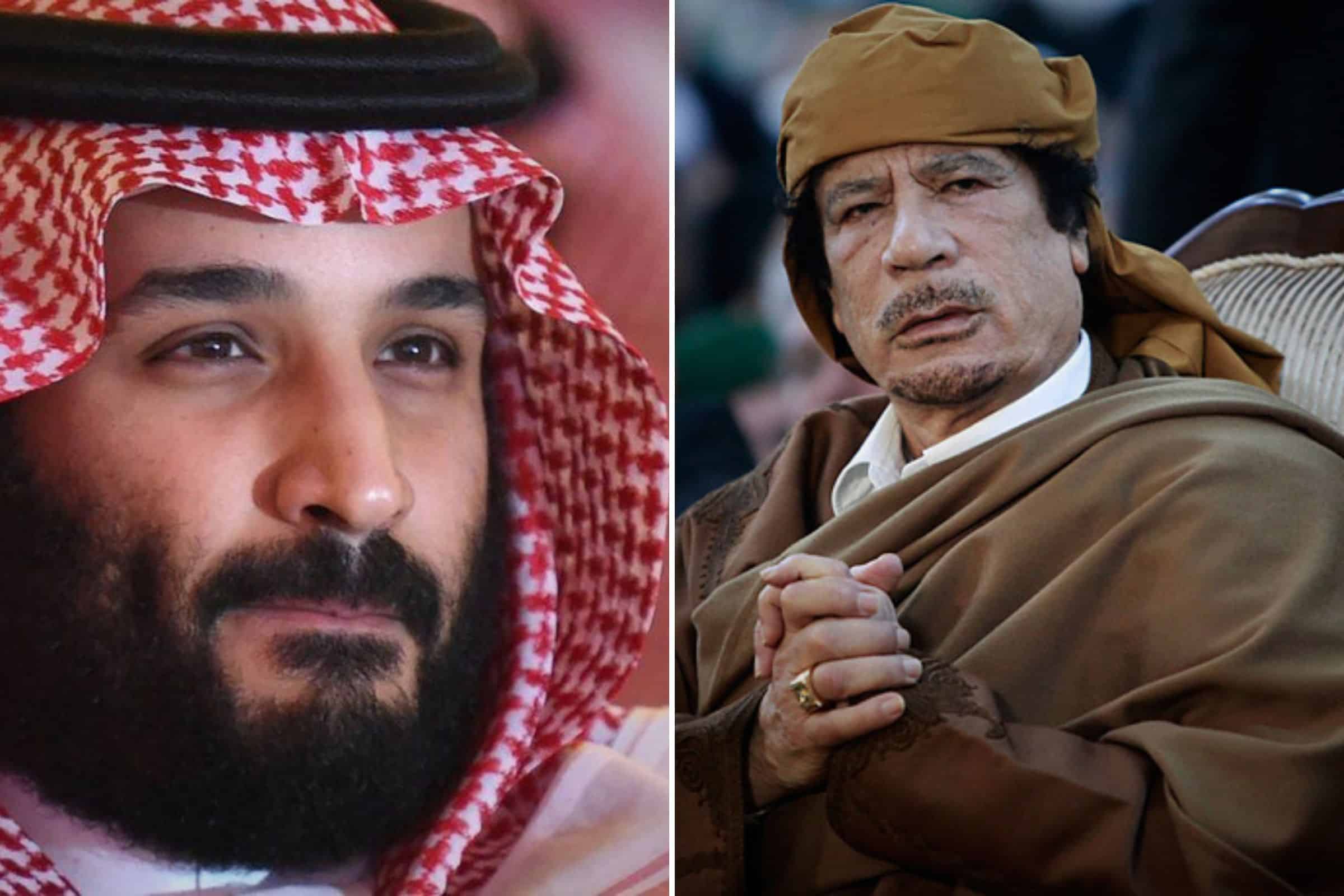

The hidden richest people in the world are mostly royal families and owners of private companies whose wealth is hard to measure. Bloomberg’s ranking from December 2025 puts Abu Dhabi’s Al Nahyan family at about $335.9 billion, the Saudi royal family at $213.6 billion and Qatar’s Al Thani family at $199.5 billion. All such figures are estimates.
We call these fortunes hidden because there is no share price or public balance sheet to check them against. Royal wealth often mixes state assets with personal property, and private firms such as Mars and Koch do not publish full accounts. Below is our 2026 list, with a clear note on how reliable each number is.
- Hidden richest people in the world 2026: quick list
- 1. Al Nahyan family (Abu Dhabi)
- 2. Al Saud family (Saudi Arabia)
- 3. Al Thani family (Qatar)
- 4. Hermès family (France)
- 5. Koch family (US)
- 6. Mars family (US)
- 7. Cargill-MacMillan family (US)
- 8. King Maha Vajiralongkorn (Thailand)
- 9. Sultan Hassanal Bolkiah (Brunei)
- Names left off the list, and why
- Why these fortunes are so hard to measure
- Frequently asked questions
Hidden richest people in the world 2026: quick list
| Rank | Family or person | Estimated wealth | Basis of figure |
|---|---|---|---|
| 1 | Al Nahyan family, UAE | $335.9 billion | Bloomberg, Dec 2025 |
| 2 | Al Saud family, Saudi Arabia | $213.6 billion | Bloomberg, Dec 2025 |
| 3 | Al Thani family, Qatar | $199.5 billion | Bloomberg, Dec 2025 |
| 4 | Hermès family, France | $184.5 billion | Bloomberg, Dec 2025 |
| 5 | Koch family, US | $150.5 billion | Bloomberg, Dec 2025 |
| 6 | Mars family, US | $143.4 billion | Bloomberg, Dec 2025 |
| 7 | Cargill-MacMillan family, US | About $42 billion | Bloomberg, 2018 |
| 8 | King Maha Vajiralongkorn, Thailand | $30 to 60 billion | Analyst estimates, 2017 |
| 9 | Sultan Hassanal Bolkiah, Brunei | About $30 billion | Press estimates, 2026 |
1. Al Nahyan family (Abu Dhabi)
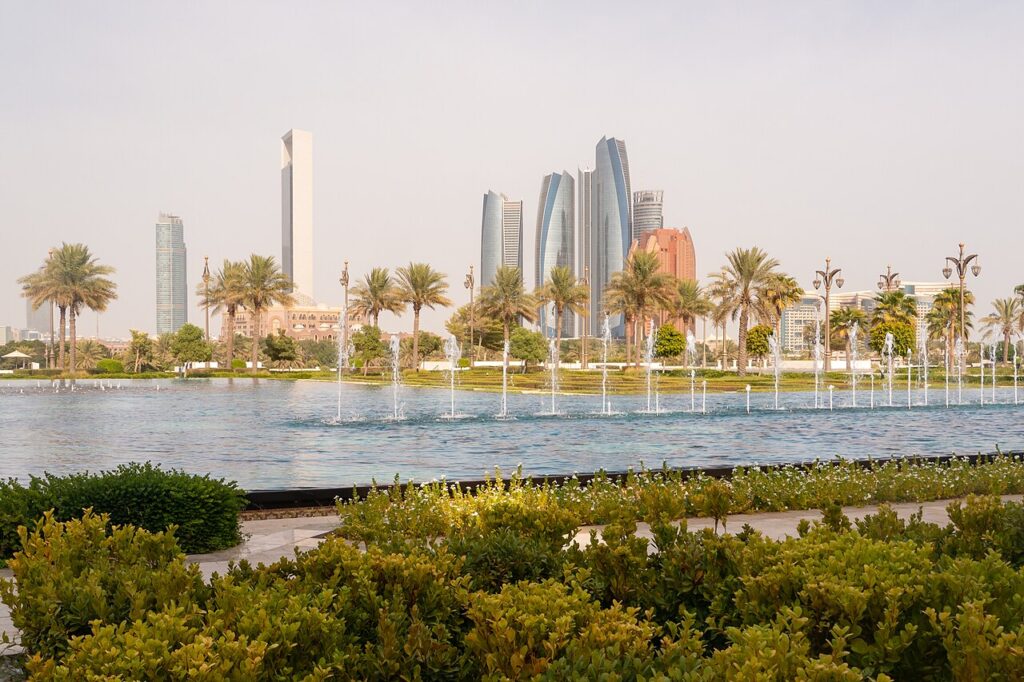
The ruling family of Abu Dhabi ranks as the richest family in the Gulf in Bloomberg’s December 2025 list, at about $335.9 billion. Its wealth comes from oil and from stakes in companies and investment vehicles linked to the emirate.
 Also readTop 5 Best Thriller Movies on Amazon Prime to Watch in 2026
Family members control or chair some of the world’s largest sovereign and private investment groups, which makes it hard to separate state money from family money.
2. Al Saud family (Saudi Arabia)
Bloomberg estimated the House of Saud at $213.6 billion. The agency itself has said the real figure is likely higher, because it cannot fully count cash and assets held by thousands of extended family members.
Social media posts often claim the family is worth $1.4 trillion. We could not find a reliable source for that number, so we do not use it.
3. Al Thani family (Qatar)
Qatar’s ruling family was valued at about $199.5 billion by Bloomberg. Qatar’s gas wealth funds a large state investment arm with holdings in European property, banks and sports, but again the line between state and family assets is blurred.
4. Hermès family (France)
The descendants of Thierry Hermès are valued at around $184.5 billion. This is the most reliable figure on our list because the family’s main asset is its stake in a listed company, so its value can be tracked every trading day.
The family is on this list because most people do not know its members by name, not because the fortune is secret.
5. Koch family (US)
Koch Industries, the business behind brands such as Georgia-Pacific, is privately held. Bloomberg valued the family at about $150.5 billion, but without public accounts this remains an estimate based on comparable companies.
6. Mars family (US)
The makers of M&M’s, Snickers and Pedigree pet food are worth about $143.4 billion, according to Bloomberg. Mars is fully family-owned and has kept a low public profile for decades.
7. Cargill-MacMillan family (US)
The family controls most of Cargill, one of the largest private companies in the world, trading in grain, meat and other commodities. Bloomberg’s 2018 family ranking put the total at about $42 billion. No newer family-wide figure has been published, so treat this number as dated.
8. King Maha Vajiralongkorn (Thailand)
Since a 2018 law change, the Thai king directly controls the assets of the Crown Property Bureau, which include prime land in Bangkok and large shareholdings. Analysts in 2017 estimated those assets at $30 to 60 billion. Bloomberg does not include the Thai monarchy in its family ranking.
9. Sultan Hassanal Bolkiah (Brunei)
The Sultan of Brunei, who turned 80 in July 2026, is often estimated by the press at around $30 billion. His wealth is tied to Brunei’s oil and gas income, and personal and state assets are hard to tell apart.
Names left off the list, and why
- Vladimir Putin: claims of a $200 billion fortune, made in 2017 by investor Bill Browder, have never been verified. His official declared income is modest. We leave him unranked.
- The Rothschilds: online claims of trillions are unsupported. The family is spread across many branches today, and fact-checkers have found no evidence for trillion-dollar claims.
- Walton and Ambani families: Bloomberg ranked the Waltons first at $513.4 billion and the Ambanis eighth at $105.6 billion, but their wealth is mostly in listed shares, so it is not hidden.
For more on money and markets, see our finance section and the people section.
Why these fortunes are so hard to measure
Three things make hidden wealth difficult to value. Private companies have no daily share price. Royal families often hold assets through the state, through trusts or through hundreds of relatives. And rich lists rely on estimates and comparisons, not audits. That is why different publications can give very different figures for the same family.
Further reading: Bloomberg Billionaires Index, Gwendolyn Sontheim Meyer profile, Arabian Business, Bloomberg methodology for the Al Saud family, Economy Middle East, PIF assets per SWFI.
Frequently asked questions
Who is the richest family in the world in 2026?
The Walton family of Walmart tops Bloomberg’s latest ranking at about $513.4 billion. Among royal families, the Al Nahyan family of Abu Dhabi is the richest at about $335.9 billion.
Is the Saudi royal family worth $1.4 trillion?
There is no reliable source for that figure. Bloomberg estimated the Al Saud family at $213.6 billion in December 2025, while noting the true total may be higher.
Are the Rothschilds the richest family in the world?
No. Claims that the Rothschilds are worth trillions have no evidence behind them and they do not appear among the top families in Bloomberg’s ranking.
How much is the King of Thailand worth?
Analysts in 2017 estimated the Crown Property Bureau assets he controls at $30 to 60 billion. No audited figure exists.
Sources: Quartz on Bloomberg’s Richest Families 2025, The News, December 2025, Gulf News on the Thai Crown Property Bureau.