

On high AQI days, the safest steps are to check the air quality before stepping out, avoid morning and late-evening exercise outdoors, wear a well-fitted N95 or N99 mask if you must go out, and keep windows shut during peak hours. The Union Health Ministry advises extra care for children, older adults, pregnant women and people with heart or lung disease.
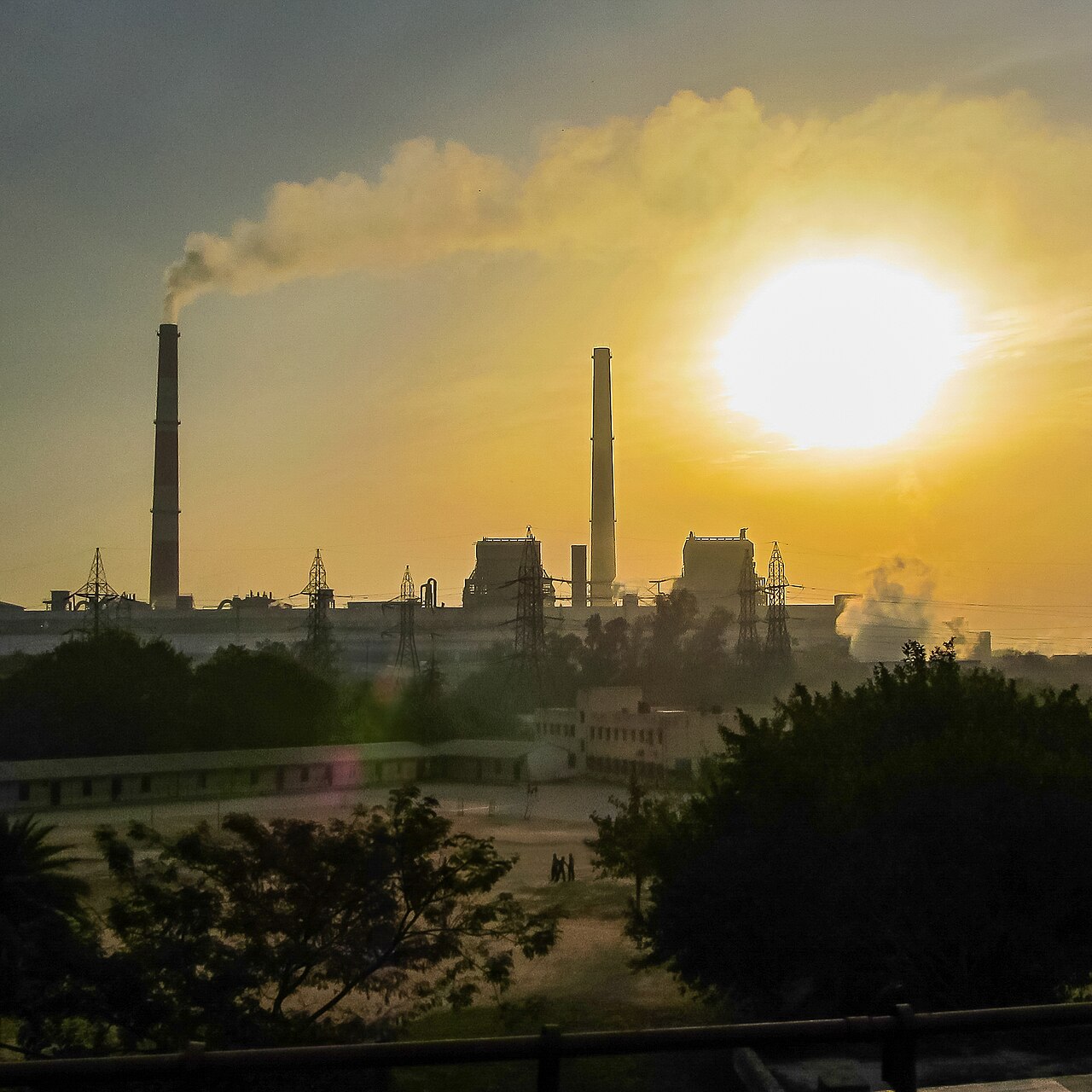
From October to February, large parts of north India see a sharp drop in air quality. Stubble burning, vehicle exhaust, construction dust, firecrackers and still winter air combine to trap pollutants close to the ground. Delhi often gets the headlines, but cities across the Indo-Gangetic plain and beyond are affected too.
Why polluted air is a health problem
The World Health Organization (WHO) estimates that outdoor air pollution caused 4.2 million premature deaths worldwide in 2019. Most of these deaths were from heart disease and stroke, followed by chronic lung disease, chest infections and lung cancer.
 Also readDengue Warning Signs: When a Fever Needs Urgent Care in India
The main concern is PM2.5, fine particles small enough to travel deep into the lungs and enter the bloodstream. Short-term exposure can cause coughing, wheezing and eye irritation. Long-term exposure is linked to heart and lung disease.
Understanding India’s AQI
India introduced the National Air Quality Index in 2014. It combines readings of eight pollutants, including PM2.5, PM10, nitrogen dioxide, sulphur dioxide, carbon monoxide, ozone, ammonia and lead, into one number with six categories.
| AQI | Category | Possible health impact |
|---|---|---|
| 0 to 50 | Good | Minimal impact |
| 51 to 100 | Satisfactory | Minor breathing discomfort for sensitive people |
| 101 to 200 | Moderate | Discomfort for people with lung or heart disease, children and older adults |
| 201 to 300 | Poor | Breathing discomfort for most people on long exposure |
| 301 to 400 | Very Poor | Respiratory illness on prolonged exposure |
| 401 to 500 | Severe | Affects healthy people; serious risk for those with existing disease |
You can check hourly AQI for your city on the Central Pollution Control Board’s Sameer app, which the Health Ministry’s advisory recommends.
How Indian limits compare with WHO guidelines
India’s National Ambient Air Quality Standards, notified in 2009, set the safe limit for PM2.5 at 40 micrograms per cubic metre as an annual average and 60 over 24 hours. WHO’s 2021 guidelines are much stricter, at 5 annually and 15 over 24 hours. So an air quality reading that counts as “satisfactory” in India can still be well above WHO’s guideline level.
Practical steps from the Health Ministry advisory
The National Centre for Disease Control (NCDC), under the Union Health Ministry, has issued public health advisories on air pollution. Here are the key points in simple terms.
1. Plan your day around the AQI
When the AQI is above 200, reschedule outdoor activities where possible. Avoid busy roads with slow traffic, construction sites and industrial areas.
2. Shift your workout indoors
The advisory specifically says to avoid morning and late-evening walks, jogging and outdoor exercise on bad air days, since pollution often stays trapped near the ground at these times. Indoor workouts, yoga or a gym session are safer choices.
3. Use the right mask
A well-fitted N95 or N99 mask filters fine particles. The advisory clearly states that cloth masks, surgical-style paper masks, handkerchiefs and scarves are not effective against pollution. Replace masks as per the manufacturer’s instructions.
4. Keep indoor air cleaner
- Keep windows closed in the early morning and late evening on bad days, and ventilate between roughly noon and 4 pm if needed.
- Avoid burning mosquito coils, incense or dhoop in closed rooms.
- Do not smoke indoors, and ask visitors not to.
- Wet-mop floors instead of sweeping, which throws dust back into the air.
- If you use an air purifier, follow the manufacturer’s instructions and avoid models that release ozone.
5. On the road
Keep car windows closed and set the air conditioner to recirculate mode. Use public transport where possible to cut both your exposure and your contribution to pollution.
6. Do not add to the problem
The advisory asks people to avoid burning leaves, crop residue, garbage and firecrackers, and to use LPG or electricity for cooking instead of wood, coal or kerosene.
7. Eat well and stay hydrated
The advisory suggests eating fruits and vegetables, drinking enough water, rinsing the eyes with running water and gargling with warm water regularly. These steps do not filter polluted air, but they support general comfort during the season.
8. Parents and schools
An updated Health Ministry advisory sent to states in November 2025 asked schools to limit outdoor activities when the AQI is poor and to keep children indoors during breaks. Parents can check the AQI before morning assembly or sports practice and talk to the school if children are made to play outside on severe days.
Who needs to be most careful
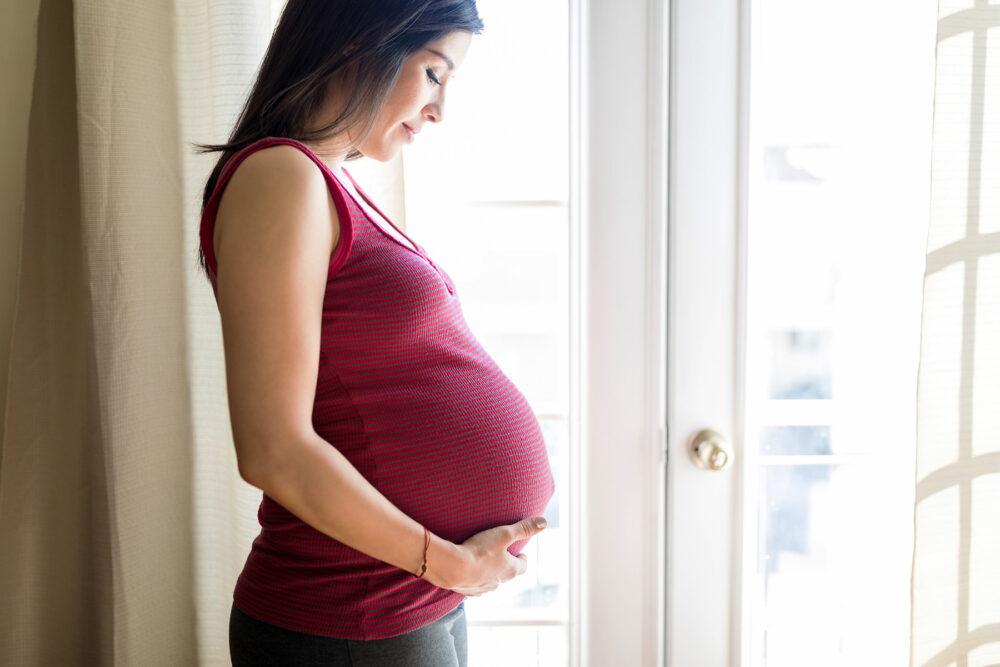
The Health Ministry identifies children under five, older adults, pregnant women, people with asthma, COPD or heart disease, and outdoor workers such as traffic police, delivery riders and construction workers as the most at risk. People with existing conditions should keep their prescribed medicines handy and follow their doctor’s plan.
See a doctor promptly if you notice breathlessness, persistent cough, chest pain or tightness, wheezing, dizziness, or red and watering eyes, as the advisory lists these as warning symptoms.
For more everyday health explainers, read the TSA Healthcare section. For seasonal living tips, browse our Lifestyle section.
This article is general information. If you have asthma, heart disease or ongoing symptoms during pollution season, please consult a doctor for personal advice.
Frequently asked questions
What AQI level is safe for outdoor exercise?
The Health Ministry advises rescheduling outdoor activity when AQI crosses 200. People with lung or heart disease may need to be cautious even at moderate levels.
Do cloth or surgical masks protect against pollution?
No. The Health Ministry advisory says cloth masks, paper masks, handkerchiefs and scarves are not effective. A well-fitted N95 or N99 mask is recommended.
What is the WHO safe limit for PM2.5?
WHO’s 2021 guidelines set PM2.5 at 5 micrograms per cubic metre as an annual average and 15 over 24 hours.
Is it safe to open windows during pollution season?
Keep them closed in the early morning and late evening on bad days. The advisory suggests ventilating between about noon and 4 pm if needed.
Sources: WHO: Ambient air quality and health; NCDC: Air pollution health advisory; Arthapedia: Ambient air quality standards in India.