

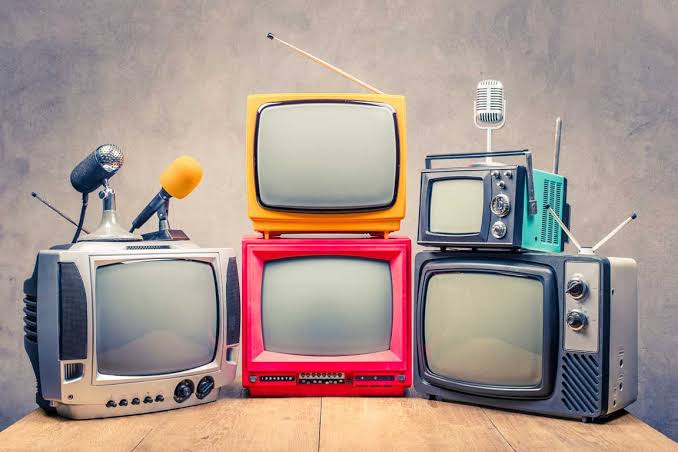

World Television Day is observed every year on 21 November. The United Nations General Assembly declared the day through resolution 51/205 on 17 December 1996, after the first World Television Forum that year. In 2026, it falls on Saturday, 21 November. The day recognises television’s role in informing people and shaping public opinion.
Television has competed with mobile phones and streaming for years, yet it remains a shared screen for millions of Indian families. Here is the history of the day, how television grew in India, and simple ways to mark it.
Quick facts
| Point | Detail |
|---|---|
| Date | 21 November every year |
| World Television Day 2026 | Saturday, 21 November 2026 |
| Declared by | UN General Assembly, resolution 51/205 |
| Resolution date | 17 December 1996 |
| First TV broadcast in India | Experimental telecast in Delhi, 15 September 1959 |
| Colour TV in India | 15 August 1982 |
What is television
Television is a mass medium that sends moving pictures and sound to a screen. It carries news, entertainment, education, sport and public messages to a very large audience at the same time, which is why governments and international bodies treat it as an important tool of communication.
 Also read15 Unknown Facts About Indian Independence
World Television Day: history
The United Nations held the first World Television Forum in 1996, bringing together media figures to discuss television’s growing influence. On 17 December 1996, the UN General Assembly adopted resolution 51/205 and named 21 November as World Television Day.
The resolution said television draws world attention to conflicts, threats to peace and security, and economic and social issues. Not every country agreed. Germany argued that existing UN days already covered similar ground and that radio reached more people, and 11 countries abstained.
World Television Day: significance
- It highlights television’s role in spreading information quickly, including during emergencies.
- It encourages fair and balanced reporting.
- It reminds broadcasters of their responsibility towards education, culture and public health messages.
Television in India: a short timeline
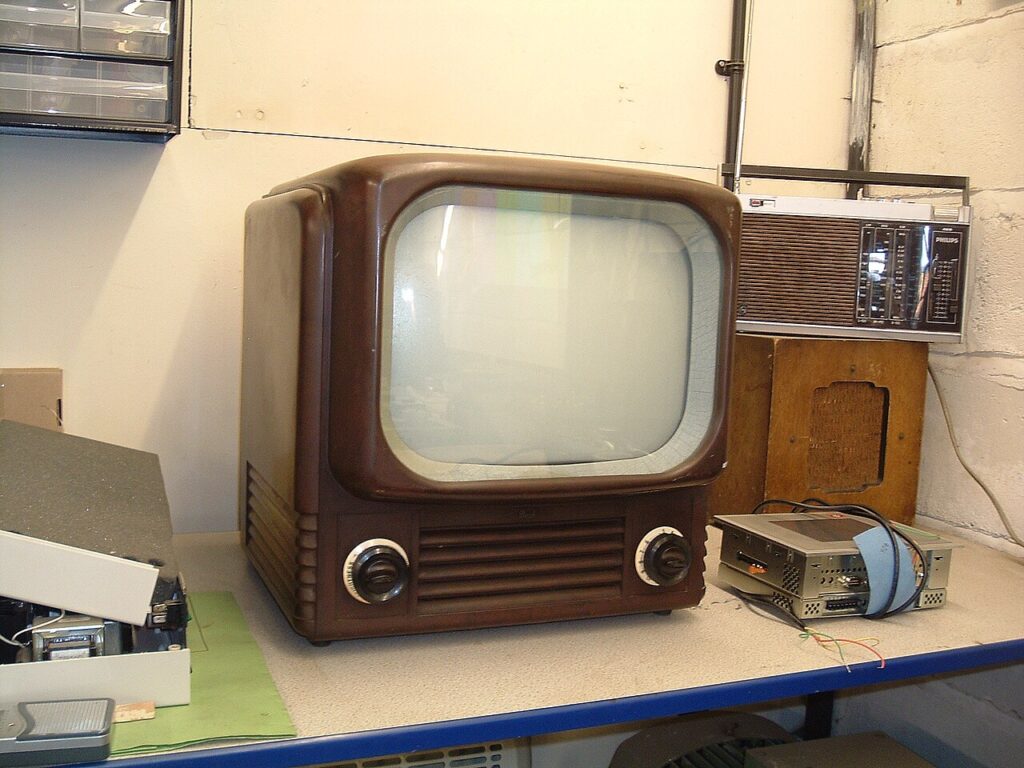
- 1950: The Indian Express reported that B Sivakumaran, an electrical engineering student, showed a television demonstration at an exhibition in Teynampet, Chennai, using a cathode-ray tube screen.
- 15 September 1959: Terrestrial television began with an experimental telecast in Delhi, using a small transmitter and a makeshift studio.
- 1965: Regular daily transmission started as part of All India Radio.
- 1972: Television services expanded to Bombay (now Mumbai) and Amritsar.
- 1 April 1976: Television was separated from radio, and Doordarshan got its own Director General.
- 1982: Colour television arrived with the live telecast of Prime Minister Indira Gandhi’s Independence Day speech on 15 August, followed by the Asian Games in Delhi. Doordarshan also became a national broadcaster that year.
- 1987 and 1988: Ramayan and Mahabharat aired on Doordarshan and became family viewing events across the country.
- 1997: Shaktimaan, created by and starring Mukesh Khanna, premiered on DD National on 13 September and ran until 2005 across 450 episodes.
Television in India today
Doordarshan, now part of public broadcaster Prasar Bharati, runs 44 channels including HD feeds. Its free-to-air DTH service, DD Free Dish, needs no monthly payment and has helped channels reach homes outside big cities. In March 2019, Prasar Bharati added 11 more state DD channels to DD Free Dish, and private channels such as Dangal and Goldmines grew in popularity through the platform.
The government reported 918 operational private satellite TV channels by 2025. BARC India’s 2020 estimates put the number of TV households at about 210 million.
Old shows still pull viewers. When Ramayan was re-telecast during the 2020 lockdown, its broadcast on 16 April 2020 drew 77 million viewers, a record for an entertainment programme. Read more about shows and screens in our entertainment section.
Why television still matters
Phones and streaming apps have changed how young Indians watch shows, but television is still the screen that families watch together. Live cricket, election results, festivals and big national events are still watched by large groups in one room.
Television also reaches homes where data is costly or the signal is weak. A free-to-air service like DD Free Dish means news and entertainment can reach a household without a monthly bill, which is one reason the medium stays relevant.
How to spend World Television Day
- Watch a classic together. Pick a 1990s family show and watch it with parents or grandparents.
- Watch a good documentary on history, science or nature instead of scrolling.
- Make a mock news bulletin with children. It is a fun way to explain how news is made.
- Share your memories on social media with #WorldTelevisionDay.
- Donate a working TV you no longer use to a family or a school, instead of letting it gather dust.
- Talk about screen time. Use the day to agree on simple family rules for TV and phones.
Schools and colleges often hold talks by journalists and media teachers on this day. More days of note are covered in our infotainment section.
Frequently asked questions
When is World Television Day 2026?
World Television Day 2026 falls on Saturday, 21 November. The date stays the same every year.
Why is World Television Day celebrated on 21 November?
The first World Television Forum was held in November 1996, and the UN General Assembly chose 21 November when it declared the day on 17 December 1996.
When did television start in India?
Television began in India with an experimental telecast in Delhi on 15 September 1959. Regular daily broadcasts started in 1965.
When did colour TV come to India?
Colour television came to India in 1982, with the live telecast of the Independence Day speech on 15 August, followed by the Asian Games in Delhi.
Sources: United Nations: World Television Day, Wikipedia: World Television Day, Wikipedia: Doordarshan, Wikipedia: Television in India.