

Prediabetes means your blood sugar is higher than normal but not yet in the diabetes range. As per Mayo Clinic, a fasting blood sugar of 100 to 125 mg/dL or an HbA1c of 5.7 to 6.4 percent falls in this range. It usually has no symptoms, but steady lifestyle changes can often stop it from turning into type 2 diabetes.
For Indians, this is not a small issue. A large national study by the Indian Council of Medical Research (ICMR) found that more Indians are living with prediabetes than with diabetes itself. Many of them do not know it, because the condition rarely causes any discomfort.
What the ICMR-INDIAB study found
The ICMR-INDIAB study, published in The Lancet Diabetes and Endocrinology in June 2023, surveyed 1,13,043 people across 31 states and Union Territories between 2008 and 2020. It was led by the Madras Diabetes Research Foundation with ICMR and other institutes.
 Also readHow to Read a Food Label in India: A Simple FSSAI Guide
- Diabetes: 11.4 percent, or an estimated 101 million people.
- Prediabetes: 15.3 percent, or an estimated 136 million people.
- Hypertension: 35.5 percent, or about 315 million people.
- Abdominal obesity: 39.5 percent.
The study found most of these conditions were more common in cities, but prediabetes was the exception and was widespread in rural India too. Researchers also noted that several states with lower diabetes rates had more people with prediabetes than diabetes, which points to a rise in cases in the coming years if nothing changes.
The blood sugar numbers to know
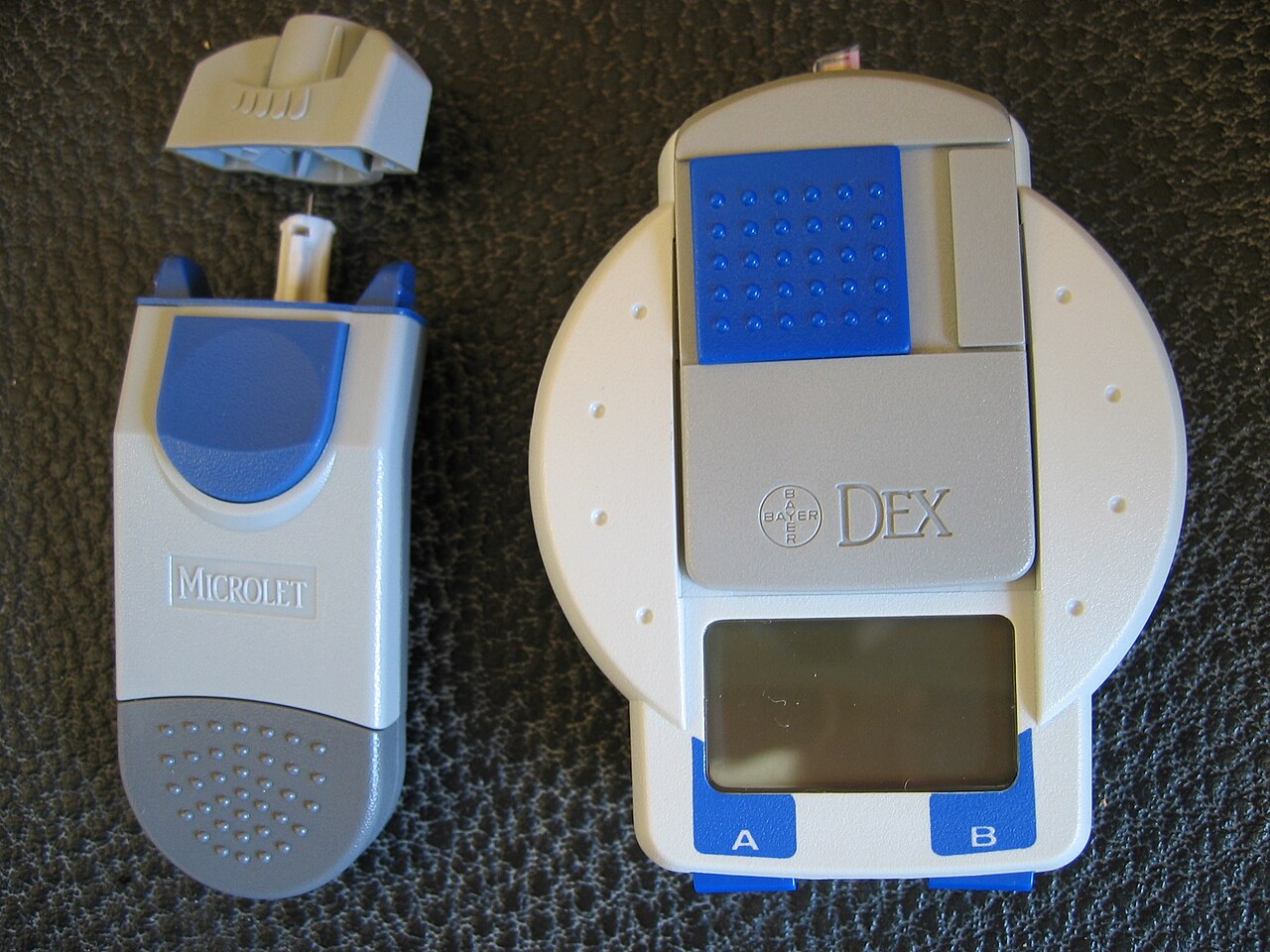
There are three common tests. Your doctor may use one or more of them. The cut-offs below are from Mayo Clinic, which follows widely used international criteria.
| Test | Normal | Prediabetes | Diabetes |
|---|---|---|---|
| HbA1c (average sugar over 2 to 3 months) | Below 5.7% | 5.7% to 6.4% | 6.5% or higher |
| Fasting blood sugar (after 8 hours without food) | Below 100 mg/dL | 100 to 125 mg/dL | 126 mg/dL or higher |
| Glucose tolerance test (2 hours after glucose drink) | Below 140 mg/dL | 140 to 199 mg/dL | 200 mg/dL or higher |
A diagnosis of diabetes is usually confirmed with a repeat test. One high reading after a heavy festive meal is not a diagnosis, so do not panic, but do not ignore it either.
Who should get tested
Since prediabetes is mostly silent, testing is the only reliable way to find it. Talk to a doctor about a blood sugar test if any of these apply to you:
- You are 30 or older. Government health centres under the national programme for non-communicable diseases offer screening for diabetes and blood pressure to adults in this age group.
- A parent or sibling has type 2 diabetes.
- You carry extra weight, especially around the waist.
- You have high blood pressure or high cholesterol.
- You had diabetes during pregnancy, or have polycystic ovary syndrome (PCOS).
- You sit for most of the day and rarely exercise.
Some people with prediabetes notice darkened skin on the neck or armpits, but most notice nothing at all. Waiting for symptoms is not a good plan.
What you can do if your report says prediabetes
The encouraging part is that prediabetes is a warning, not a verdict. Mayo Clinic notes that losing 5 to 7 percent of body weight can greatly lower the risk of type 2 diabetes. For a person weighing 80 kg, that is about 4 to 5.5 kg.
1. Move for at least 150 minutes a week
Mayo Clinic recommends at least 150 minutes of moderate activity a week, such as brisk walking, cycling or swimming. That works out to around 30 minutes on five days. A 10-minute walk after lunch and dinner is a practical start for office workers.
2. Change the plate, not just the sugar
Cutting out sweets alone is not enough. Large portions of white rice, maida, sugary tea, packaged snacks and sweetened drinks all push blood sugar up. Filling half the plate with vegetables, adding dal, chana, rajma, eggs, paneer or fish for protein, and switching to whole grains in smaller portions is a sustainable approach.
3. Watch the waistline
The ICMR-INDIAB study found abdominal obesity in nearly 4 in 10 Indians. Fat around the belly is closely linked to insulin resistance. A measuring tape at home is a simple way to track progress along with the weighing scale.
4. Sleep, stress and smoking
Poor sleep and long-term stress can affect blood sugar control. Smoking raises the risk of type 2 diabetes and heart disease. Quitting tobacco is one of the most useful changes a person with prediabetes can make.
5. Re-test on schedule
Ask your doctor when to repeat the test. Many people are asked to check again within a year. Some may be prescribed medicine, but that is a decision only a doctor should make after looking at your full health picture.
Prediabetes and heart health
High blood sugar rarely travels alone. The same ICMR-INDIAB study found high blood pressure in about one in three Indians and abdominal obesity in nearly four in ten. These conditions often cluster together and raise the risk of heart disease. If your sugar report shows prediabetes, it makes sense to also get your blood pressure and cholesterol checked.
Why this matters for young Indians
Prediabetes is no longer a concern only for people in their fifties. Desk jobs, long commutes, food delivery apps and late nights have changed daily routines for many young professionals. Finding high sugar in your late twenties or thirties gives you years to turn it around before damage to the heart, kidneys, eyes and nerves sets in.
For more on everyday health, read the TSA Healthcare section. For tips on routines and fitness, see our Lifestyle section.
This article is for general information only. Please consult a doctor to interpret your test results and plan the right next steps for you.
Frequently asked questions
Can prediabetes be reversed?
In many people, yes. Weight loss of 5 to 7 percent and regular activity can bring blood sugar back to the normal range, according to Mayo Clinic.
What HbA1c level is prediabetes?
An HbA1c between 5.7 and 6.4 percent is considered prediabetes. A level of 6.5 percent or higher, confirmed on a repeat test, indicates diabetes.
How many Indians have prediabetes?
The ICMR-INDIAB study estimated about 136 million Indians have prediabetes, which is 15.3 percent of the population studied.
Does prediabetes have symptoms?
Usually not. Most people find out only through a routine blood test, which is why regular screening matters after 30 or if you have risk factors.
Sources: The Lancet Diabetes and Endocrinology: ICMR-INDIAB study; Mayo Clinic: Prediabetes diagnosis and treatment.