

Anaemia means your blood does not have enough healthy red blood cells or haemoglobin to carry oxygen around the body. The most common cause in India is iron deficiency. Typical signs include constant tiredness, breathlessness on climbing stairs, dizziness, headaches and pale skin. A simple blood test, the complete blood count, can confirm it.
Anaemia is one of India’s most widespread health problems, and it affects women and children the most. Many people live with it for years, blaming their tiredness on work, heat or poor sleep. Here is what the numbers say, how to spot the signs, and what Indian food choices can help.
How common is anaemia in India
The National Family Health Survey (NFHS-5), conducted in 2019 to 2021, found that anaemia had increased in every group compared with NFHS-4 in 2015 to 2016.
 Also readHow to Read a Food Label in India: A Simple FSSAI Guide
| Group | NFHS-4 (2015 to 2016) | NFHS-5 (2019 to 2021) |
|---|---|---|
| Children aged 6 to 59 months | 58.6% | 67.1% |
| Women aged 15 to 49 | 53.1% | 57.0% |
| Pregnant women aged 15 to 49 | 50.4% | 52.2% |
| Adolescent girls aged 15 to 19 | 54.1% | 59.1% |
| Men aged 15 to 49 | 22.7% | 25.0% |
In simple terms, more than half of Indian women and two in three young children were anaemic in the latest survey. Men are affected too, though at lower rates.
Signs and symptoms to watch for
According to the World Health Organization (WHO) and the UK’s National Health Service (NHS), common symptoms include:
- Tiredness and low energy that does not improve with rest
- Shortness of breath during routine activity
- Dizziness, especially on standing up
- Headaches
- Cold hands and feet
- Pale skin, and paleness inside the lower eyelids
- A fast or pounding heartbeat
The NHS also lists less common signs such as hair loss, mouth ulcers, restless legs and cravings for non-food items like ice, chalk or mud. Craving to eat clay or chalk is a known sign of iron deficiency and should not be dismissed.
What causes anaemia
WHO lists several causes. Often more than one is present in the same person.
- Low iron in the diet, or poor absorption of iron. This is the most common cause.
- Other nutrient gaps, especially folate and vitamin B12. B12 deficiency is common among people who eat little or no animal food.
- Blood loss from heavy periods, childbirth, or bleeding in the stomach or gut. The NHS notes that regular use of painkillers such as ibuprofen and aspirin can cause stomach bleeding.
- Infections such as malaria, tuberculosis and intestinal worms.
- Inherited blood disorders such as thalassaemia and sickle cell disease, which are found in several communities in India.
This is why treating anaemia is not always as simple as taking an iron tablet. The cause needs to be found first.
How anaemia is diagnosed
A complete blood count measures haemoglobin. WHO uses a cut-off of 13 g/dL for men and 12 g/dL for non-pregnant women aged 15 and above. Lower cut-offs apply during pregnancy and for children. Your doctor may also order tests for iron stores, vitamin B12 or folate to find the cause.
Iron-rich Indian foods
The NHS lists dark green leafy vegetables, pulses, meat, dried fruit and fortified cereals as good sources of iron. Many of these are already part of Indian kitchens.
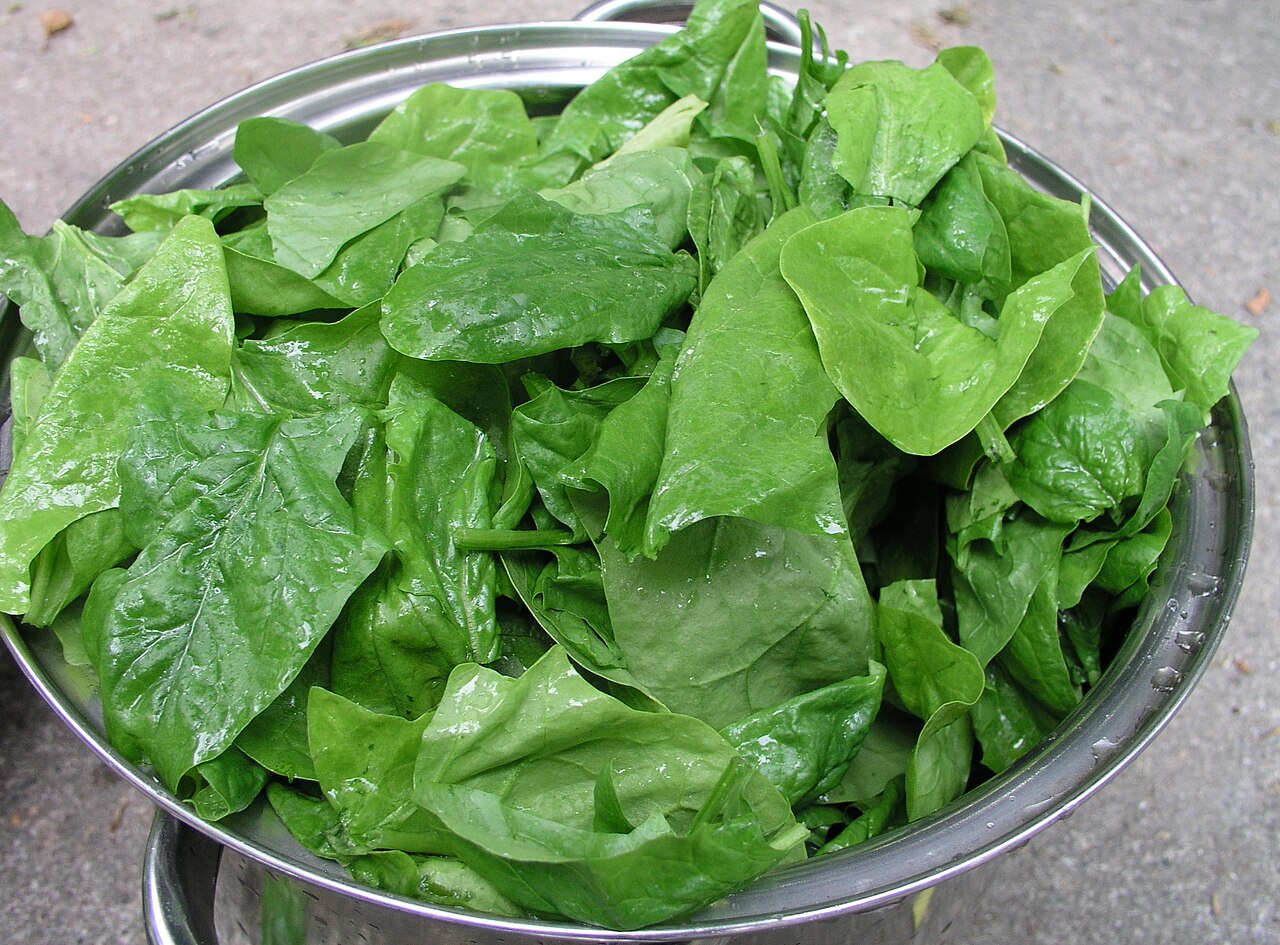
- Green leafy vegetables: palak, methi, sarson, chaulai (amaranth) and drumstick leaves.
- Pulses and legumes: rajma, chana, masoor dal, moong and lobia.
- Animal foods: eggs, chicken, mutton, liver and fish. Iron from animal sources is generally absorbed better.
- Dried fruit: dates, raisins and dried apricots.
- Fortified foods: fortified cereals, and fortified rice and salt supplied through some government schemes.
Help your body absorb iron better
WHO recommends pairing iron-rich foods with vitamin C. A squeeze of lemon on dal or sabzi, or a piece of amla, guava or orange with the meal, helps. The NHS notes that tea, coffee and milk can reduce iron absorption when taken in large amounts, so try having chai an hour away from main meals rather than with them.
Preventing anaemia in girls and pregnant women
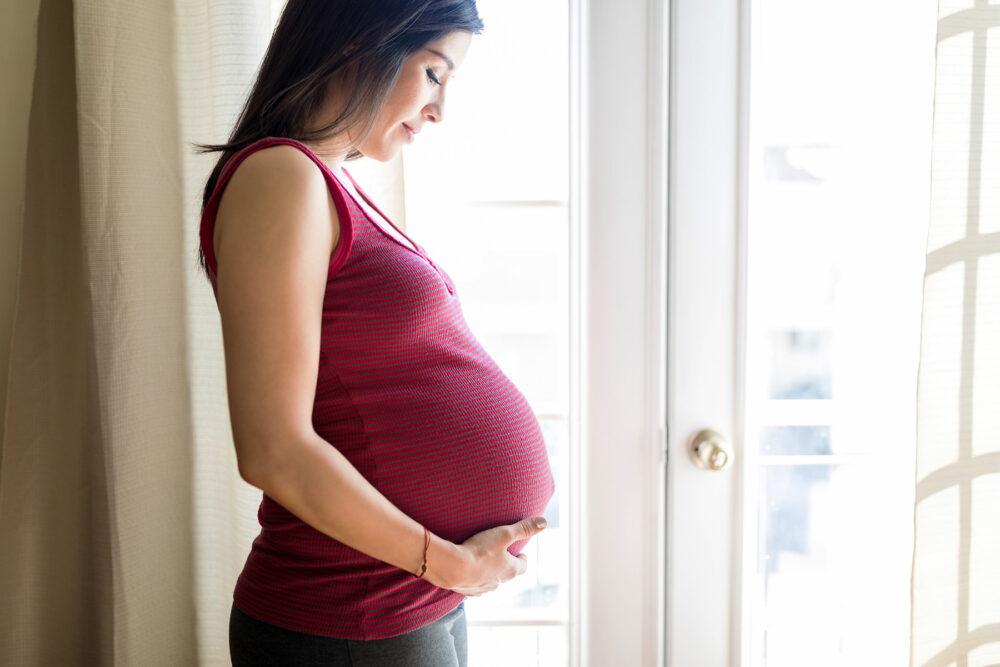
WHO lists menstruating adolescent girls, pregnant women and new mothers among the groups at highest risk. Its prevention advice includes a varied diet rich in iron, folate, vitamin B12 and vitamin A, treating heavy menstrual bleeding, preventing and treating infections such as malaria and worms, and leaving at least 24 months between pregnancies. Supplements should be taken only when a health worker or doctor recommends them. Regular antenatal check-ups include a haemoglobin test, so pregnant women should not skip them.
What the government programme offers
The Union Health Ministry runs Anaemia Mukt Bharat, launched in 2018. It covers six groups: children aged 6 to 59 months, children aged 5 to 9, adolescents aged 10 to 19, pregnant women, breastfeeding mothers and women of reproductive age. The programme provides preventive iron and folic acid supplements, deworming through National Deworming Day, testing and treatment, fortified foods in government schemes and screening for non-nutritional causes. These services are available through government schools, anganwadis and health centres.
Do not start iron tablets on your own. The NHS warns that iron overdose can be dangerous, especially for children, so keep tablets out of their reach. For more explainers, visit the TSA Healthcare section or browse food and home stories in our Lifestyle section.
This article is for general information. If you have symptoms of anaemia, please see a doctor for a blood test and personal advice.
Frequently asked questions
What is a normal haemoglobin level?
WHO considers haemoglobin below 13 g/dL in men and below 12 g/dL in non-pregnant women as anaemia. Different cut-offs apply in pregnancy and for children.
Can I fix anaemia with diet alone?
Mild iron deficiency may improve with diet, but many people need supplements prescribed by a doctor. The underlying cause also has to be treated.
Does drinking tea affect iron levels?
Tea and coffee can reduce iron absorption, according to the NHS. Keeping them away from main meals can help.
Why are Indian women more anaemic?
Monthly blood loss, pregnancy, low iron intake and frequent infections all contribute. NFHS-5 found 57 percent of women aged 15 to 49 were anaemic.
Sources: WHO: Anaemia fact sheet; NHS: Iron deficiency anaemia; MoHFW: Anaemia Mukt Bharat.