

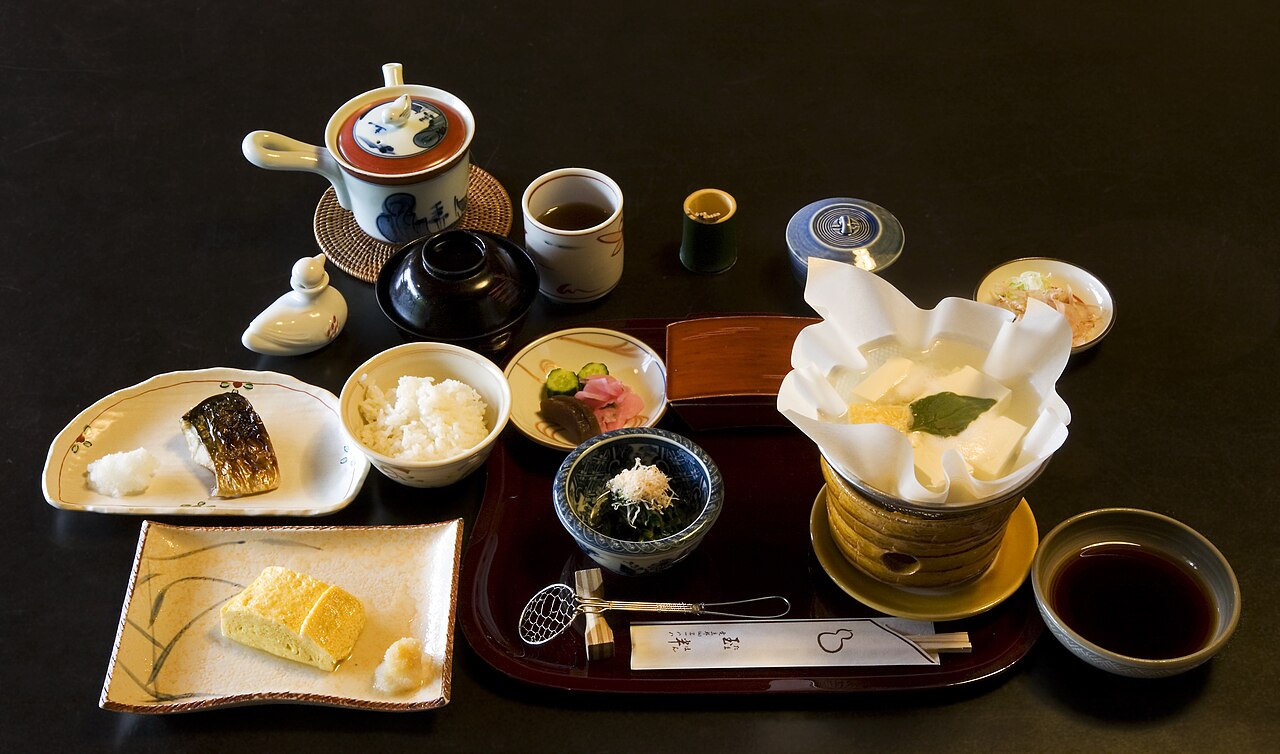

Some of the healthiest breakfasts in the world are traditional dishes built on whole grains, legumes, fermented foods, eggs and vegetables. Japan’s rice, fish and miso soup, Egypt’s ful medames, South India’s idli, Scotland’s oat porridge and Costa Rica’s gallo pinto all show that a filling, balanced morning meal does not need packaged cereal or sugary pastries.
This list covers 11 breakfasts from different countries, what goes into each and what nutrition research says about their main ingredients. The facts below come from public health bodies and university nutrition sources. Portion size, cooking oil, salt and sugar still decide how healthy any plate is.
- 1. Traditional Japanese breakfast (Japan)
- 2. Ful medames (Egypt)
- 3. Idli with sambar (South India)
- 4. Oat porridge (Scotland)
- 5. Shakshouka (North Africa and the Middle East)
- 6. Turkish breakfast (Turkey)
- 7. Congee (China and East Asia)
- 8. Bircher muesli (Switzerland)
- 9. Rye crispbread (Sweden and the Nordic countries)
- 10. Gallo pinto (Costa Rica and Nicaragua)
- 11. Greek strained yoghurt (Greece)
- Quick facts: healthy breakfasts by country
- What these breakfasts have in common
- Frequently asked questions
1. Traditional Japanese breakfast (Japan)
A standard Japanese breakfast includes steamed rice, a bowl of miso soup and pickles, often with grilled fish, a raw egg, nori and green tea. Traditional inns in Kyoto serve fuller versions with tofu and a rolled omelette.
 Also readAir Pollution and Health: How to Stay Safe on High AQI Days
Miso is a paste made by fermenting soybeans with salt and a fungus called Aspergillus oryzae. Fish adds protein. The weak point is salt, since miso and pickles are both salty, so smaller servings of those help.
Best for: A savoury, protein-rich start with plenty of variety.
2. Ful medames (Egypt)
Ful medames is a stew of fava beans cooked until very soft, then dressed with olive oil, cumin, lemon juice, garlic and parsley. Egypt considers it a national dish, and it is eaten across the Arab world, often with bread and boiled eggs.
Harvard’s Nutrition Source describes legumes as an inexpensive source of protein and of both soluble and insoluble fibre. It notes that trials found pulses lowered LDL cholesterol by about 6 per cent.
Best for: A plant-based breakfast that keeps you full until lunch.
3. Idli with sambar (South India)
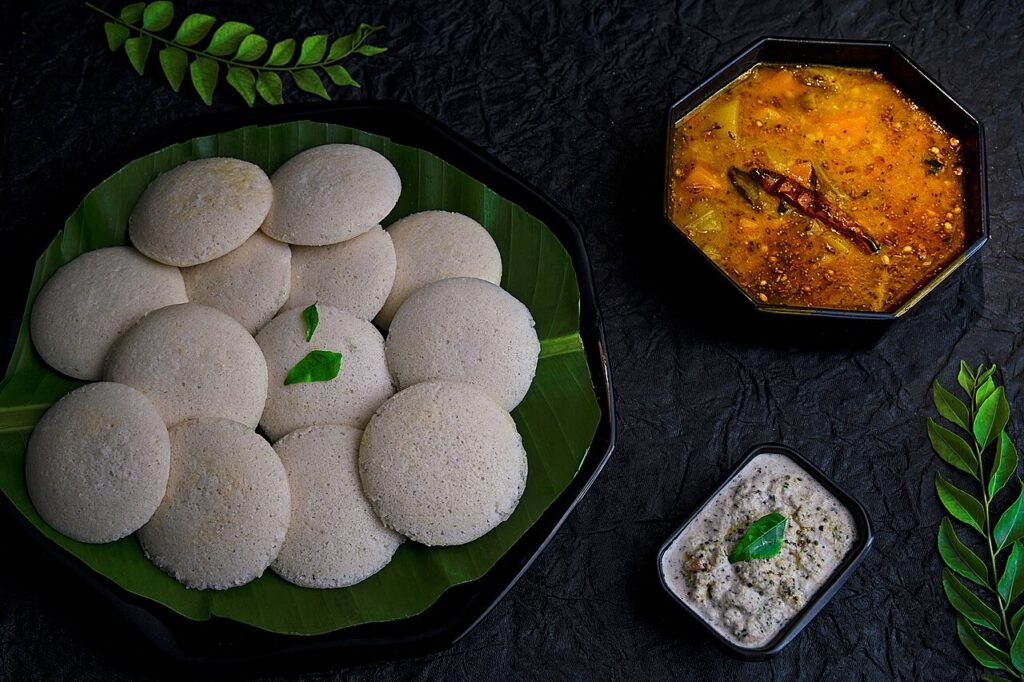
Idli are steamed cakes made from a batter of rice and urad dal (split black gram) that is left to ferment overnight. They are served hot with sambar, a lentil and vegetable stew, and coconut chutney. Idli is also popular in Sri Lanka.
Because idli are steamed rather than fried, they are low in fat. Fermentation breaks down some of the starch, and the sambar adds lentil protein and vegetables.
Best for: A light breakfast that is easy on the stomach.
4. Oat porridge (Scotland)
Scottish traditionalists make porridge with only oats, water and salt, though many people add milk, fruit or honey. Oat porridge has long been linked with Scotland, where oats grow well on poor upland soil.
Oats contain beta-glucan, a soluble fibre. The US Food and Drug Administration allows a health claim linking beta-glucan from whole oats to a lower risk of heart disease. Harvard notes that less processed oats, such as steel-cut, are digested more slowly than instant oats, and that many instant packets are sweetened.
Best for: People watching cholesterol, as part of an overall healthy diet.
5. Shakshouka (North Africa and the Middle East)
Shakshouka is a Maghrebi dish of eggs poached in a sauce of tomatoes, peppers, onion, garlic and olive oil, spiced with cumin and paprika. It is popular across North Africa and the Middle East and became widely adopted in Israel after the 1950s.
Eggs provide protein, choline and vitamin A, according to Harvard. Its review says up to one egg a day was not linked to higher heart disease risk in healthy people, though people with diabetes may need to limit yolks.
Best for: A vegetable-heavy breakfast that works for a weekend brunch.
6. Turkish breakfast (Turkey)
A Turkish breakfast, or kahvaltı, is a spread of small plates: cheese, olives, fresh vegetables, eggs (often menemen, scrambled with tomatoes and peppers), bread such as simit and black tea.
The healthiest way to eat it is to fill most of the plate with vegetables, olives and eggs and go easy on pastries and kaymak, a rich clotted cream. The World Health Organization (WHO) advises at least 400 g of fruit and vegetables a day, and a Turkish breakfast makes a good start on that.
Best for: A slow, shared breakfast with family or friends.
7. Congee (China and East Asia)
Congee is a savoury porridge made by boiling rice in plenty of water until soft. It is eaten for breakfast across China and much of Asia and topped with spring onions, ginger, fish, egg or pickled vegetables.
Congee is widely treated as a mild, easily digested food for people who are unwell. Adding fish, egg or chicken gives it protein, and a brown rice version adds fibre.
Best for: A warm, gentle breakfast on a cold or sick day.
8. Bircher muesli (Switzerland)
Swiss physician Maximilian Bircher-Benner created muesli around 1900 for patients at his hospital. His version soaked rolled oats overnight and mixed them with grated whole apple, nuts and lemon juice. This is the idea behind today’s overnight oats.
The original used sweetened condensed milk, so a modern version with plain yoghurt or milk cuts the added sugar. WHO advises keeping free sugars below 10 per cent of daily energy.
Best for: Busy mornings, since it is made the night before.
9. Rye crispbread (Sweden and the Nordic countries)
Knäckebröd is a dry, flat Swedish crispbread traditionally made from wholemeal rye flour, salt and water. It has been baked in central Sweden for centuries and is eaten with butter, cheese, egg or fish toppings.
Harvard lists rye among the whole grains, which keep the fibre-rich bran and the germ. Whole grains are linked to lower risk of heart disease and type 2 diabetes.
Best for: A quick, high-fibre option with a savoury topping.
10. Gallo pinto (Costa Rica and Nicaragua)
Gallo pinto is rice and beans cooked with onion, garlic and peppers. Costa Rica and Nicaragua both call it a national dish. At breakfast it comes with eggs, fried plantains, corn tortillas, cheese or fruit.
Rice and beans together give a mix of starch, protein and fibre. Keeping the fried sides small makes it a lighter meal.
Best for: A hearty breakfast before a long or active day.
11. Greek strained yoghurt (Greece)
Strained yoghurt is drained of its liquid whey, which makes it thick. The FAO standard requires at least 5.6 per cent protein for strained yoghurt, compared with 2.7 per cent for unstrained. In Greece it is often eaten with honey.
Plain strained yoghurt with fruit and nuts is a simple breakfast. Flavoured tubs can carry a lot of added sugar, so check the label.
Best for: A high-protein breakfast that takes two minutes.
Quick facts: healthy breakfasts by country
| Dish | Country | Main base | Key nutrition point |
|---|---|---|---|
| Japanese breakfast | Japan | Rice, fish, miso | Protein and fermented soy; watch salt |
| Ful medames | Egypt | Fava beans | Plant protein and fibre |
| Idli with sambar | India | Rice and lentils | Steamed, fermented, low fat |
| Oat porridge | Scotland | Oats | Beta-glucan fibre |
| Shakshouka | North Africa | Eggs, tomatoes | Protein plus vegetables |
| Kahvaltı | Turkey | Cheese, olives, vegetables | Variety of fresh produce |
| Congee | China | Rice | Easy to digest |
| Bircher muesli | Switzerland | Oats, apple, nuts | Fibre; choose low sugar |
| Knäckebröd | Sweden | Wholemeal rye | Whole grain fibre |
| Gallo pinto | Costa Rica | Rice and beans | Starch, protein, fibre |
| Strained yoghurt | Greece | Yoghurt | Higher protein than regular |
What these breakfasts have in common
Most of these dishes are built on whole foods rather than processed ones. Grains, beans, eggs, fish, vegetables and fermented foods appear again and again, while added sugar is low or optional.
WHO advises less than 5 g of salt a day, and several savoury breakfasts here can be salty, so season lightly. For more on everyday eating, see our health section, and our lifestyle and travel pages for food traditions from around the world.
This article is general information only. For advice on your own diet, especially if you have diabetes, heart disease or food allergies, speak to a doctor or registered dietitian.
Frequently asked questions
Which country has the healthiest breakfast?
No single country wins. Traditional breakfasts in Japan, Egypt, South India and the Nordic countries score well because they rely on whole grains, legumes, fish, eggs and fermented foods with little added sugar.
Is oat porridge good for cholesterol?
Oats contain beta-glucan, a soluble fibre. The US FDA allows a health claim linking beta-glucan from whole oats to a lower risk of coronary heart disease.
Are eggs healthy for breakfast every day?
Harvard’s review found that up to one egg a day was not linked to higher heart disease risk in healthy people. People with diabetes or heart disease should ask their doctor.
What makes a breakfast healthy?
A healthy breakfast usually combines fibre, protein and some fruit or vegetables, with limited added sugar and salt, in line with WHO guidance on a healthy diet.
Sources: WHO: Healthy diet fact sheet, Harvard Nutrition Source: Oats, Harvard Nutrition Source: Legumes and pulses, Harvard Nutrition Source: Eggs.