


Updated on 24 October 2026. INTPs are often called “the thinkers” or “the logicians” of the Myers-Briggs world. Search for famous INTPs and you will find the same names again and again: Einstein, Darwin, Marie Curie. Here is who they are, what the label means, and an honest note on how much weight to give it.
What does INTP mean?
The Myers-Briggs Type Indicator (MBTI) was developed by Katharine Cook Briggs and her daughter Isabel Briggs Myers, based on Carl Jung’s ideas about psychological types. It sorts people into 16 types using four pairs of preferences. INTP stands for:
- Introverted: recharges through time alone
- Intuitive: focuses on patterns and possibilities more than concrete detail
- Thinking: makes decisions through logic more than feelings
- Perceiving: prefers flexibility to fixed plans
INTPs are usually described as curious, independent and analytical, happiest when working on ideas and theories.
 Also read10 Useful Gadgets for Everyday Life in India (2026 Picks)
An important caveat
None of the people below took an MBTI test. Their types are guesses made by writers and fans from biographies and public behaviour. Many psychologists also question how reliable the MBTI itself is. Treat these lists as fun and a starting point for reflection, not as fact.
Famous people often described as INTPs
1. Albert Einstein
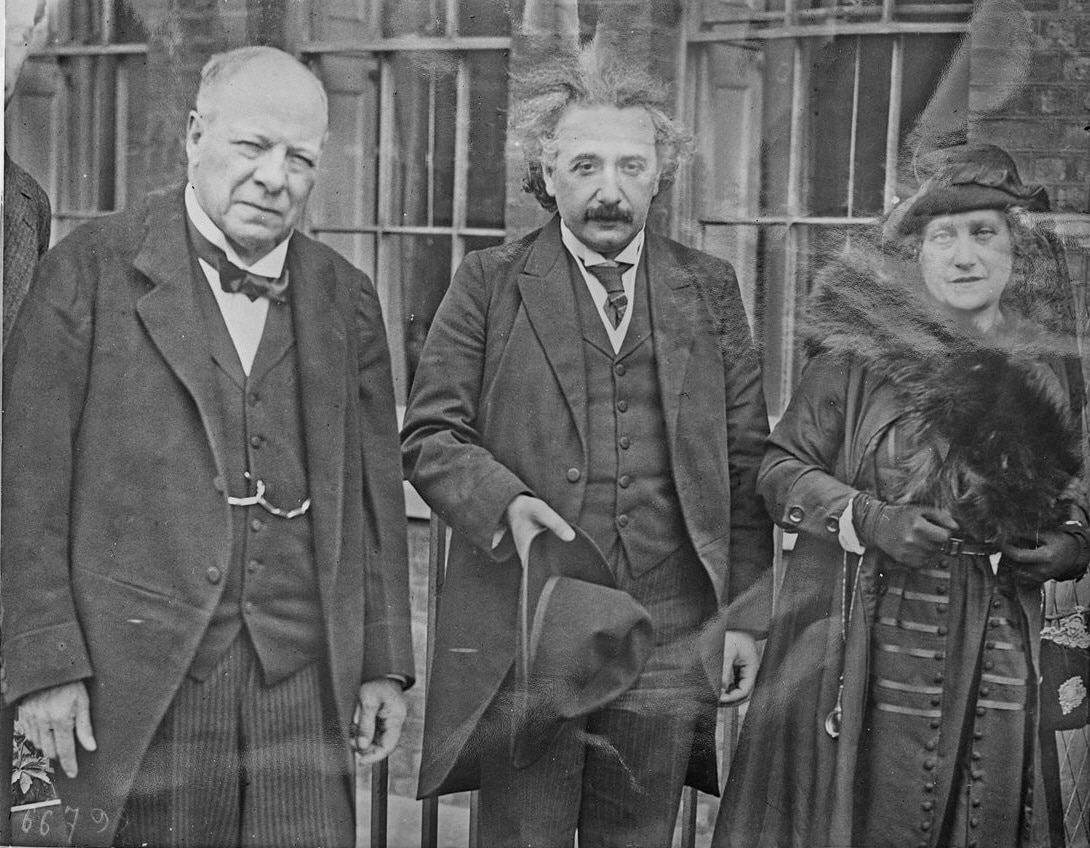
The physicist behind the theory of relativity, who won the 1921 Nobel Prize in Physics, is the name most often linked with the INTP type, thanks to his love of thought experiments and independent thinking.
2. Charles Darwin
Darwin spent decades quietly gathering evidence before publishing On the Origin of Species in 1859, the kind of patient theorising often associated with INTPs.
3. Marie Curie
The first person to win Nobel Prizes in two sciences, physics in 1903 and chemistry in 1911, Curie is often cited for her focus and devotion to research.
4. Isaac Newton
Newton’s work on gravity, motion and calculus, much of it done in solitude, puts him on most INTP lists.
5. René Descartes
The philosopher known for “I think, therefore I am” built his ideas by questioning everything, a habit fans see as typically INTP.
6. Abraham Lincoln
Lincoln is often typed as an INTP because of his reflective, self-taught approach to law and politics, though some writers place him elsewhere.
7. Bill Gates
The Microsoft co-founder is frequently listed as an INTP for his analytical style and love of reading and problem-solving.
8. Larry Page
The Google co-founder, known for ambitious technical ideas, appears on many INTP lists.
9. Tina Fey
The writer and comedian is often cited as an example that INTPs can be creative and funny, not only technical.
10. Kristen Stewart
The actor is often described as an INTP by fans, based on her reserved public persona and interviews about her work.
What INTPs can take from these lists
The common thread is not genius but curiosity: a habit of asking why, testing ideas and staying with a problem. If you identify as an INTP, that habit is worth building on, whatever you choose to do. See our guide to career choices for INTP women.
Frequently asked questions
What does INTP stand for?
Introverted, Intuitive, Thinking and Perceiving, one of the 16 Myers-Briggs personality types.
Was Albert Einstein an INTP?
Einstein never took the MBTI. He is often described as an INTP by writers and fans, based on his life and work.
Is the MBTI scientifically reliable?
Many psychologists question its reliability and validity, so it is best used for self-reflection rather than for important decisions.
Are INTPs rare?
INTP is often described as one of the less common types, but estimates vary and depend on who is surveyed.
What are INTPs good at?
They are usually described as strong at analysis, problem-solving and independent thinking.