


Updated on 24 October 2026. Sardar Vallabhbhai Patel is remembered as the “Iron Man of India”, but his legacy is more practical than the nickname suggests. In the two years after Independence, he did the hard, unglamorous work of holding a new country together. That work still shapes how India is governed today.
Who was Sardar Patel?
Patel was born on 31 October 1875 in Nadiad, Gujarat. He trained as a barrister and built a successful legal practice in Ahmedabad before joining the freedom movement under Mahatma Gandhi. He was a key organiser of the Kheda Satyagraha of 1918 and led the Bardoli Satyagraha of 1928, after which the farmers of Bardoli gave him the title “Sardar”, meaning leader.
After Independence he became India’s first Deputy Prime Minister and Home Minister. He died on 15 December 1950 and was awarded the Bharat Ratna posthumously in 1991.
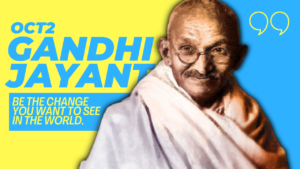 Also readGandhi Jayanti: Teachings of Gandhi That Still Hold True Today
Why Sardar Patel is still relevant
1. He held India together
In 1947, more than 560 princely states had to decide their future. Working with his secretary V.P. Menon, Patel persuaded almost all of them to join India through a mix of negotiation, patience and, where needed, firmness. Junagadh and Hyderabad took longer, and Hyderabad joined after the police action of September 1948. Without this work, the map of India would look very different.
2. He built the steel frame of administration
Patel strongly backed the All India Services, which became the IAS and IPS, arguing that a united country needed a professional civil service loyal to the Constitution. India marks Civil Services Day on 21 April, the date in 1947 when he addressed the first batch of officers. Every district collector and police chief today works within the system he defended.
3. He believed in getting things done
Patel was known for preferring practical solutions to long debates. In a time when public trust often depends on delivery, his focus on results over rhetoric remains a useful model for leaders at every level.
4. He supported farmers and cooperatives
His public life began with farmers’ struggles in Kheda and Bardoli. He also encouraged the dairy farmers of Kaira district to organise, which led to the cooperative that later grew into Amul. Farmer welfare and cooperatives remain central to Indian policy debates.
5. Unity as a daily practice
For Patel, unity was not a slogan but a set of working relationships between regions, communities and institutions. In a diverse democracy, that lesson needs relearning by every generation.
How India remembers him
- National Unity Day: his birth anniversary, 31 October, is observed as Rashtriya Ekta Diwas.
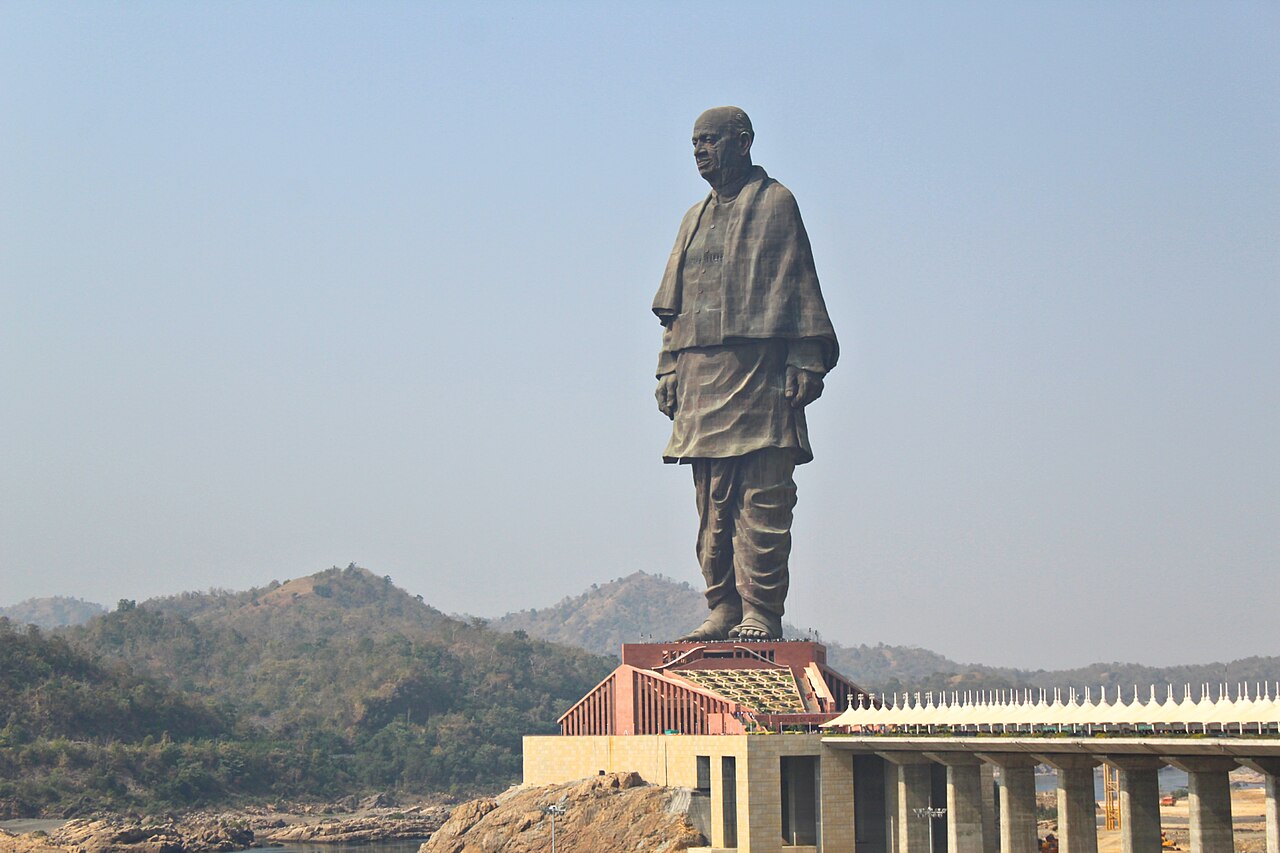
- Statue of Unity: the 182-metre statue near Kevadia in Gujarat, unveiled on 31 October 2018, is the tallest statue in the world.
- Institutions: the Sardar Vallabhbhai Patel National Police Academy in Hyderabad trains IPS officers.
Frequently asked questions
Why is Sardar Patel called the Iron Man of India?
For the firmness and skill with which he integrated the princely states into India after Independence.
When is National Unity Day celebrated?
On 31 October, Sardar Patel’s birth anniversary.
How many princely states did Sardar Patel integrate?
More than 560 princely states joined India, most of them through negotiations he led as Home Minister.
Why is Civil Services Day celebrated on 21 April?
It marks Sardar Patel’s address to the first batch of administrative service probationers on 21 April 1947.
How tall is the Statue of Unity?
182 metres. It stands near Kevadia in Gujarat and was unveiled on 31 October 2018.