




The top law colleges in India by NIRF are led by the National Law School of India University (NLSIU), Bengaluru, which ranked first in the NIRF 2025 law category with a score of 82.97. National Law University Delhi and NALSAR University of Law, Hyderabad, took second and third place. NIRF 2026 law rankings had not been published as of mid-September 2026.
The National Institutional Ranking Framework (NIRF) is run by the Ministry of Education. The 2025 rankings were announced on 4 September 2025 at Bharat Mandapam in New Delhi. This article lists the full top 10, explains the leading five, and covers how students get into these colleges.
Top 10 law colleges in India by NIRF 2025
| Rank | Institute | NIRF score |
|---|---|---|
| 1 | National Law School of India University, Bengaluru | 82.97 |
| 2 | National Law University, New Delhi | 80.00 |
| 3 | NALSAR University of Law, Hyderabad | 79.50 |
| 4 | West Bengal National University of Juridical Sciences, Kolkata | 79.39 |
| 5 | Gujarat National Law University, Gandhinagar | 76.23 |
| 6 | Indian Institute of Technology Kharagpur | 74.09 |
| 7 | Symbiosis Law School, Pune | 74.07 |
| 8 | Jamia Millia Islamia, New Delhi | 66.39 |
| 9 | Aligarh Muslim University, Aligarh | 65.82 |
| 10 | Siksha ‘O’ Anusandhan, Bhubaneswar | 65.36 |
The top three have stayed the same for several years. The gap between NALSAR at third and WBNUJS at fourth is very small, at just 0.11 points.
 Also readAMU Entrance Question Papers PDF: Class 6 to MBA (2026)
The leading law colleges in detail
1. NLSIU Bengaluru
NLSIU was set up under the National Law School of India University Act, Karnataka Act 22 of 1986. It has held the top spot in the NIRF law list for years, including in 2019, 2022, 2023 and 2025. The university is recognised by the UGC and is a member of the Association of Indian Universities.
It offers undergraduate, postgraduate and doctoral programmes in law, and runs a number of research centres. Admission to its undergraduate programme is through the Common Law Admission Test (CLAT).
2. National Law University, Delhi
NLU Delhi was established in 2008 and has quickly become one of the most sought-after law schools in the country. It offers BA LLB (Hons), LLM and PhD programmes, along with postgraduate diplomas.
Unlike most National Law Universities (NLUs), NLU Delhi does not admit students through CLAT. It conducts its own entrance exam, the All India Law Entrance Test (AILET).
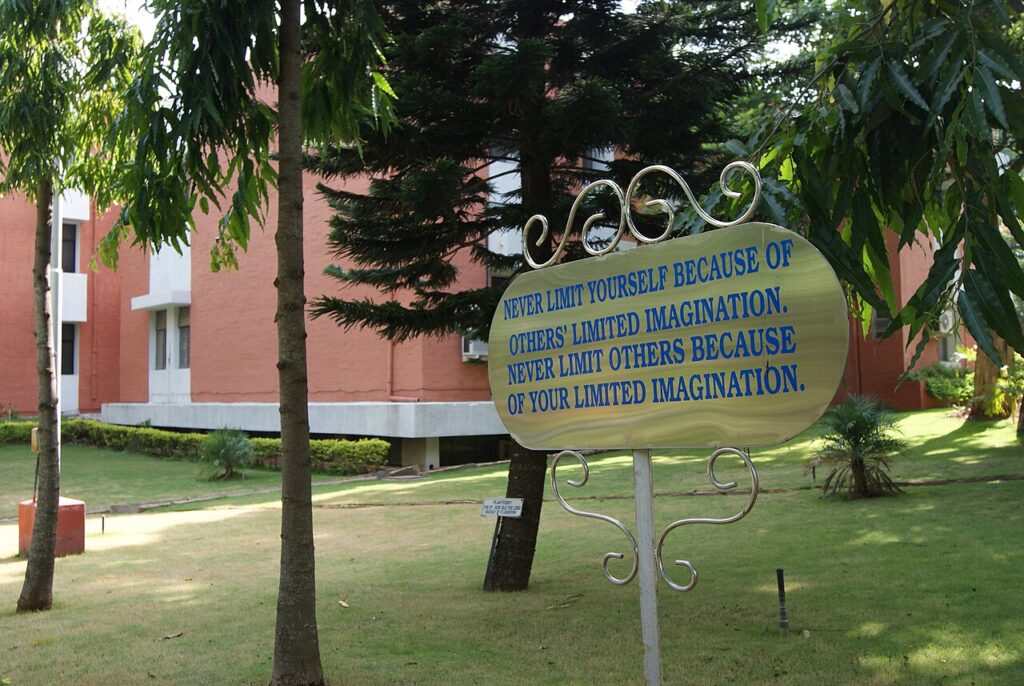
3. NALSAR University of Law, Hyderabad
NALSAR was established in 1998 by an Act of the Andhra Pradesh State Legislature. It offers full-time undergraduate, postgraduate, doctoral and diploma programmes in law and management, and also runs distance education programmes.
Its teaching is organised through specialised centres, including ones focused on constitutional law, family law and legal philosophy. Admission to the undergraduate programme is through CLAT.
4. WBNUJS Kolkata
The West Bengal National University of Juridical Sciences is ranked fourth with a score of 79.39, almost level with NALSAR. It is one of the NLUs that admit students through CLAT, and it is known for strong placement outcomes among law schools.
5. GNLU Gandhinagar
Gujarat National Law University completes the top five with a score of 76.23. It is also a CLAT-participating NLU, and the CLAT page on Wikipedia notes that GNLU has an off-centre campus as well.
Beyond the NLUs: IIT Kharagpur, Symbiosis, Jamia and AMU
Not every top law school is an NLU. IIT Kharagpur, ranked sixth, runs the Rajiv Gandhi School of Intellectual Property Law, set up in 2006 as the first law school within the IIT system. It focuses on producing lawyers with technical knowledge, particularly in intellectual property.
Symbiosis Law School, Pune, is the highest-ranked private law school at seventh. Jamia Millia Islamia and Aligarh Muslim University are eighth and ninth, while Siksha ‘O’ Anusandhan in Bhubaneswar is tenth.
National Law University Jodhpur, which featured in our earlier version of this list, is not in the NIRF 2025 top 10.
How to get admission to the top law colleges
- CLAT: Conducted by the Consortium of NLUs and used by 26 of the 27 NLUs, including NLSIU, NALSAR, WBNUJS and GNLU. Many private law schools also accept CLAT scores.
- AILET: Conducted by NLU Delhi for its own programmes.
- University-level exams and processes: Institutes such as Symbiosis, Jamia and AMU follow their own admission processes. Check each institute’s official website.
Students should check the official CLAT Consortium and NLU Delhi websites for current exam dates and eligibility, as these change every year.
How to read the NIRF law ranking
NIRF ranks institutes that choose to take part, so a college missing from the list may simply not have applied. Rankings assess factors such as teaching and resources, research, graduation outcomes and perception. A rank is a useful starting point, but students should also compare fees, location, placements and the specific courses offered.
For more on entrance exams and careers, see our education section. Our infotainment section has more explainers on how India works.

Further reading: TheEducationDaily.
Frequently asked questions
Which is the No. 1 law college in India as per NIRF?
NLSIU Bengaluru is ranked first in the NIRF 2025 law category, with a score of 82.97.
Is NIRF 2026 law ranking out?
As of mid-September 2026, the NIRF 2026 law rankings had not been published. The NIRF 2025 list, released on 4 September 2025, is the latest official ranking.
Which exam is needed for NLU Delhi?
NLU Delhi admits students through its own exam, AILET. Most other NLUs use CLAT.
Is IIT Kharagpur good for law?
Yes. IIT Kharagpur is ranked sixth in the NIRF 2025 law list through its Rajiv Gandhi School of Intellectual Property Law, which is known for its technology and IP focus.
Sources: NIRF India Rankings, Careers360 on NIRF 2025 law rankings, Wikipedia: Common Law Admission Test.