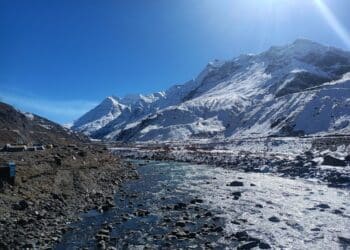



The best places to visit in Ladakh are Leh, Pangong Tso, Nubra Valley, Magnetic Hill, Zanskar Valley, Tso Moriri, Hemis National Park, Lamayuru Monastery, Alchi Monastery and Kargil. Most visitors base themselves in Leh and take road trips from there. The main travel season runs from May to September, when the high passes are usually open.
Ladakh has been a Union Territory since 31 October 2019. It is a high-altitude cold desert, and Leh itself sits at about 3,500 metres, so planning and acclimatisation matter as much as the itinerary. This updated guide covers the top places, permits and practical tips for 2026. For more trip ideas, see our travel section.
Quick facts: places to visit in Ladakh
| Place | Known for | Approx. distance from Leh |
|---|---|---|
| Leh | Base town, palace, monasteries | Base |
| Pangong Tso | Long blue lake at about 4,300 m | Around 150 to 160 km |
| Nubra Valley | Hunder dunes, Diskit Monastery | Around 120 to 150 km via Khardung La |
| Magnetic Hill | Gravity hill illusion | About 30 km |
| Tso Moriri | Ramsar wetland lake at about 4,522 m | Around 220 to 240 km |
| Alchi Monastery | Old murals | About 60 to 65 km |
10 best places to visit in Ladakh
1. Leh
Leh is the capital and the gateway to the region, with an airport and road links to Manali and Srinagar. The nine-storey Leh Palace, built in the 17th century, looks over the old town, and Shanti Stupa offers wide views at sunset.
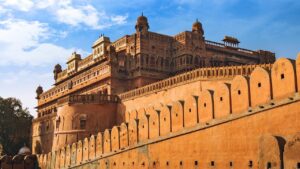 Also read10 Most Ancient Forts and Palaces in India: History and Facts
Spend your first one or two days here resting. Short trips to Thiksey Monastery, Shey Palace and the main bazaar are easy ways to start once you feel well.
2. Pangong Tso
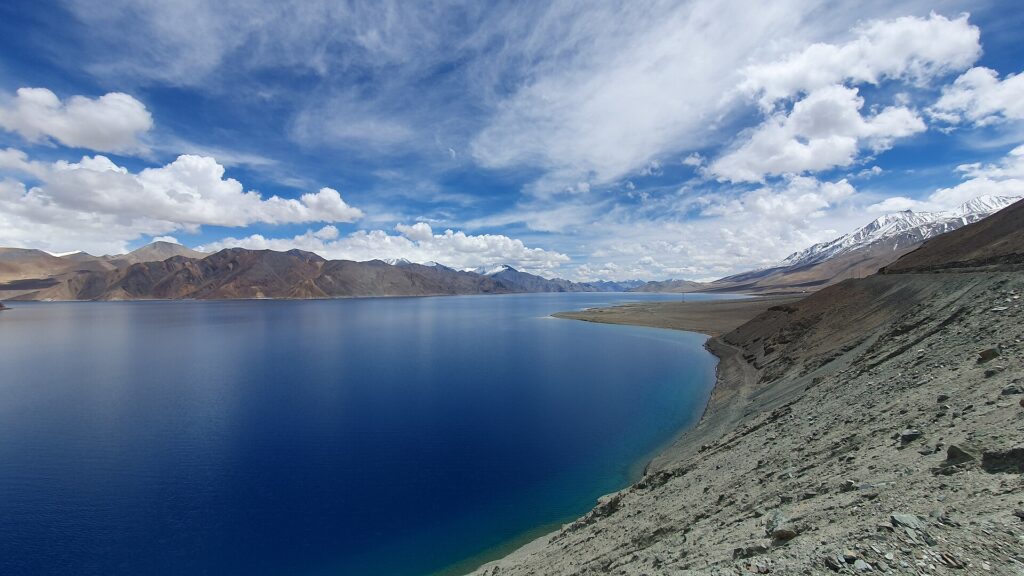
Pangong Tso is a 134 km long lake at about 4,300 metres, and roughly two thirds of it lies on the Chinese-administered side. Its colour shifts from blue to green through the day. The road crosses Chang La pass.
The lake freezes in winter. Boating is not allowed on the Indian side, and stays are in camps and simple guesthouses near Spangmik and Lukung.
3. Nubra Valley
Nubra is reached over Khardung La, about 40 km from Leh. Signs at the top claim a height of 5,602 metres, but survey data puts it at about 5,359 metres. The valley has sand dunes at Hunder, where you can ride double-humped Bactrian camels.
Diskit Monastery and its large Maitreya Buddha statue overlook the valley. Turtuk, a village near the Line of Control, is a popular extension.
4. Magnetic Hill
On the Leh to Kargil highway, about 30 km from Leh, is a stretch where vehicles in neutral seem to roll uphill. It is an optical illusion caused by the layout of the land around the road.
It is a quick stop and is often combined with Gurudwara Pathar Sahib and the Indus and Zanskar confluence at Nimmu.
5. Zanskar Valley
Zanskar is one of the most remote parts of Ladakh, with Padum as its main town. In summer it offers rafting, trekking and quiet monasteries such as Karsha and Phugtal.
In winter, the Chadar Trek follows the frozen Zanskar river. It is a demanding trek and should only be done with registered operators and the required permissions.
6. Tso Moriri
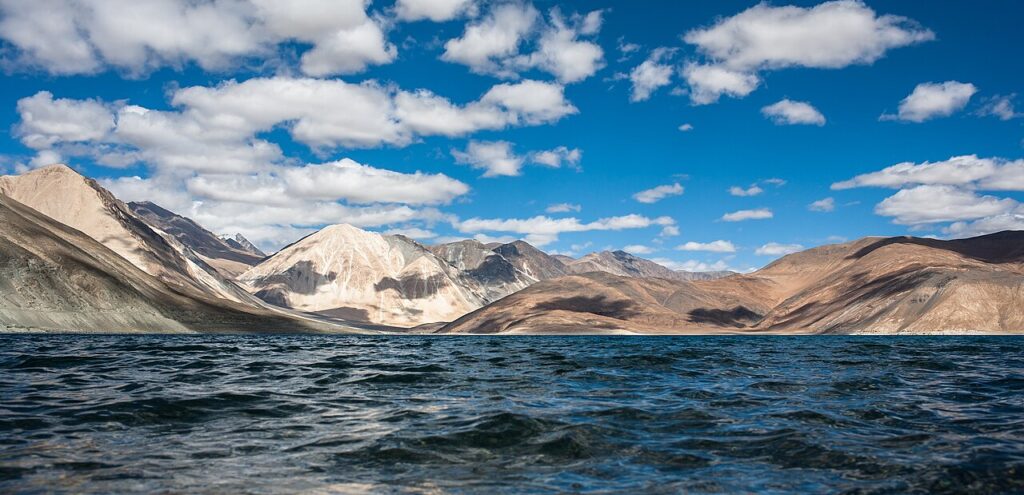
Tso Moriri lies in the Changthang region at about 4,522 metres and is a protected Ramsar wetland since 2002. It is quieter than Pangong and is a breeding ground for birds such as the bar-headed goose.
Korzok, a small village on its shore, has a monastery and a few homestays. The nights are very cold even in summer.
7. Hemis National Park
Covering about 4,400 sq km, Hemis is described as the largest notified protected area in India and the largest national park in South Asia. It is best known for snow leopards, along with bharal (blue sheep), Asiatic ibex, the Tibetan wolf and the Eurasian brown bear.
Winter snow leopard tours usually start from Rumbak village with local guides. Hemis Monastery, near the park, holds the well-known Hemis festival in summer.
8. Lamayuru Monastery
Lamayuru is one of the oldest monasteries in Ladakh, set above eroded hills known locally as Moonland. It lies on the Leh to Kargil road.
The monastery hosts masked dance festivals, and the views are best in early morning or late afternoon light.
9. Alchi Monastery
Alchi, about 60 km west of Leh, is unusual because it sits on flat ground by the Indus rather than on a hilltop. Its temples date back roughly to the 11th to 13th century.
The murals inside are among the oldest surviving paintings in Ladakh. Photography is usually restricted inside the temples to protect them.
10. Kargil
Kargil is the second major town of Ladakh and a stop on the Srinagar to Leh highway. The Kargil War Memorial at Drass honours the soldiers who died in the 1999 conflict.
Kargil is also the gateway to the Suru Valley and to Zanskar, with views of the Nun and Kun peaks.
Ladakh travel tips for 2026
- Permits: Indian visitors need a permit for areas such as Nubra, Pangong and Tso Moriri. It is applied for online through the official Leh district permit portal, with environment and wildlife fees.
- Acclimatise: Rest for at least 24 to 48 hours in Leh before going higher, drink water and avoid alcohol early on.
- Best time: May to September for road trips; January to February for the Chadar Trek and snow leopard tours.
- Connectivity: Prepaid mobile connections from other states may not work; postpaid plans usually do.
Anyone with heart or lung conditions should consult a doctor before travelling to high altitude. Read more on staying well while travelling in our health section.
Further reading: Nubra Valley, Hemis National Park, Alchi Monastery.
Frequently asked questions
Which is the best time to visit Ladakh?
May to September is best for most travellers, when roads and passes are usually open. Winter suits only specific trips such as the Chadar Trek.
Do Indians need a permit for Ladakh?
Not for Leh town, but a permit is needed for protected areas such as Nubra, Pangong and Tso Moriri. It is issued online through the official Leh permit portal.
How many days are enough for Ladakh?
Six to eight days covers Leh, Nubra and Pangong with time to acclimatise. Add two or three days for Tso Moriri or Zanskar.
Is Pangong Lake in India or China?
Both. About one third of the lake is on the Indian side and roughly two thirds is administered by China.
Sources: District Administration Leh, Wikipedia: Hemis National Park, Wikipedia: Pangong Tso, Ramsar: Tso Moriri.