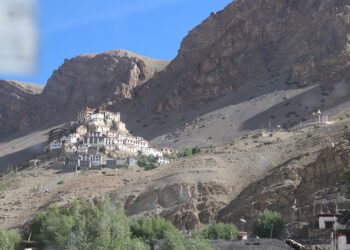



The best stargazing spots in India are Hanle and Nubra Valley in Ladakh, Spiti Valley in Himachal Pradesh, Sonmarg in Kashmir, the Rann of Kutch in Gujarat, Mount Katao in Sikkim and Neil Island in the Andamans. Hanle is India’s first dark sky reserve, and high, dry places like Spiti and Ladakh give the clearest skies.
Light pollution in cities hides all but the brightest stars. To see the Milky Way, planets and meteor showers properly, you need a place with clean air, little artificial light and a wide open horizon. These seven places offer that, from cold mountain deserts to a white salt plain and a quiet island beach.
- Best stargazing spots in India: quick facts
- 1. Hanle, Ladakh
- 2. Spiti Valley, Himachal Pradesh
- 3. Nubra Valley, Ladakh
- 4. Sonmarg, Kashmir
- 5. Rann of Kutch, Gujarat
- 6. Mount Katao, Sikkim
- 7. Neil Island, Andaman
- Other places to look at the stars
- Tips for a good stargazing trip
- Frequently asked questions
Best stargazing spots in India: quick facts
| Place | State or UT | Why it works |
|---|---|---|
| Hanle | Ladakh | India’s first dark sky reserve, with light rules |
| Spiti Valley (Kibber) | Himachal Pradesh | High altitude, dry and clean air |
| Nubra Valley | Ladakh | Clear mountain skies, remote villages |
| Sonmarg | Jammu and Kashmir | Meadows for camping, about 2,800 m |
| Rann of Kutch | Gujarat | Flat salt desert, wide horizon |
| Mount Katao | Sikkim | Secluded, about 15,000 feet |
| Neil Island | Andaman and Nicobar | Dark beaches, little city light |
1. Hanle, Ladakh
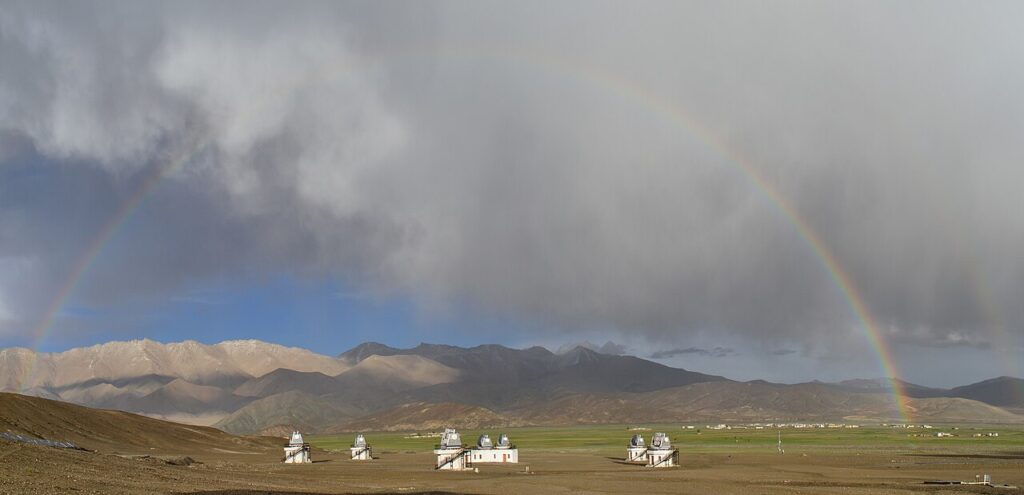
Hanle is the top choice for serious stargazers. In December 2022, the area became India’s first dark sky reserve, covering a region of roughly 22 km radius around Hanle within the Changthang Wildlife Reserve, according to the Indian Institute of Astrophysics (IIA), Bengaluru. The IIA runs the Indian Astronomical Observatory near Hanle because of its dark skies.
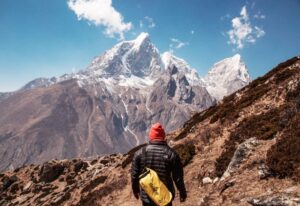 Also read5 Amazing Treks In Himachal Pradesh To Try In 2026: Full Guide
A Light Management Plan limits light pollution, and visitors and new buildings must follow its rules. The IIA says 24 local villagers, about two-thirds of them women, have been trained as astronomy ambassadors and guides, each with an 8-inch telescope funded by UT Ladakh. Check with the UT Ladakh and Leh authorities for permits before you travel.
2. Spiti Valley, Himachal Pradesh
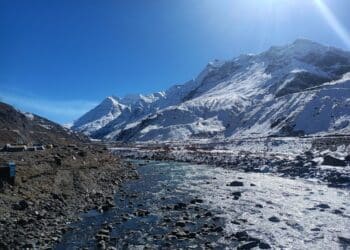
Spiti is a cold mountain desert with clean air and very little light pollution. Kibber, a village at about 15,000 feet, is the most popular base for night sky viewing. On a clear, moonless night the Milky Way is easy to see with the naked eye.
Dhankar, Komik and Losar are other good spots in the valley. Homestays in these villages are simple, and many hosts are used to guests stepping out late at night with cameras and tripods.
3. Nubra Valley, Ladakh
Nubra Valley has high altitude, dry weather and wide open skies. Camps and homestays set away from the main villages give the darkest views. Turtuk village is a quiet place to spend a night under the stars.
During the day, the valley’s villages and monasteries keep you busy. Give yourself time to adjust to the altitude in Leh before heading to Nubra or Hanle.
4. Sonmarg, Kashmir
Sonmarg, at about 2,800 m, is a good choice for those who want mountain skies without going as far as Ladakh. Its meadows are ideal for camping, and the surrounding peaks, such as Amarnath and Sirbal, frame the night sky well.
Camping here is best in the warmer months, when the meadows are open. Nights still get cold, so carry warm layers.
5. Rann of Kutch, Gujarat
The Rann of Kutch is one of the largest salt deserts in the world. Its flat white surface and lack of tall buildings give a full, uninterrupted view of the sky, especially on dark nights away from the festival lights.
The best time to go is during the Rann Utsav, when the region celebrates its folk culture and camping is easy to arrange. For darker skies, walk a short distance away from the camp lights.
6. Mount Katao, Sikkim
Mount Katao, in North Sikkim, sits at about 15,000 feet and sees far fewer tourists than other hill spots. The lack of crowds and lights makes it a calm place to watch the stars.
From December to February, the area gets snow and suits snow activities, but nights are very cold. Check the current permit rules for North Sikkim with a registered tour operator before you go.
7. Neil Island, Andaman
Neil Island offers stargazing with the sound of waves. With little artificial light on its beaches, the night sky is clear on dry evenings.
It is a good pick for families or couples who want a relaxed beach holiday with an evening of stargazing, rather than a high-altitude trip.
Other places to look at the stars
Sariska in Rajasthan, Coorg in Karnataka and Kodaikanal in Tamil Nadu are closer options for clear nights away from city lights. Any rural area away from highways can work on a moonless night.
Tips for a good stargazing trip
- Plan around the new moon, when the sky is darkest.
- Avoid the monsoon; dry months give clearer skies.
- Let your eyes adjust to the dark for 20 to 30 minutes and avoid looking at your phone.
- Use a red torch, carry warm clothes and a mat or chair.
- Use a free sky map app to find planets and constellations.
- At high altitude, rest for a day or two before late nights outdoors.
Find more trip ideas in our travel section, and read about astronomy and science in Infotainment. Weekend escapes and slow travel ideas are in Lifestyle.
Further reading: Rann of Kutch, Mount Katao.
Frequently asked questions
Which is the best place for stargazing in India?
Hanle in Ladakh is the best known, as it is India’s first dark sky reserve. Spiti Valley in Himachal Pradesh is another top choice.
What is the best time for stargazing in India?
Dry months outside the monsoon are best. Plan your nights around the new moon, when there is no moonlight to wash out faint stars.
Where is India’s first dark sky reserve?
It is at Hanle in Ladakh, within the Changthang Wildlife Reserve. It was established in December 2022.
Can you see the Milky Way in India?
Yes. On clear, moonless nights it is visible from dark places such as Hanle, Spiti, Nubra Valley and the Rann of Kutch.
Sources: Indian Institute of Astrophysics: Hanle Dark Sky Reserve, Business Standard on India’s first dark sky reserve.