• About   |
  • Advertise |
  • Contact Us
No Result
View All Result
The Second Angle (TSA Magazine)
Advertise
  • Infotainment
    • Sports
    • People
    • Inspiring
  • Entertainment
    • Lifestyle
    • Home & Decoration
  • Buzz
  • Education
  • Travel
  • Finance
  • Healthcare
  • Technology
The Second Angle
No Result
View All Result
  • Infotainment
  • Entertainment
  • Buzz
  • Education
  • Travel
  • Finance
  • Healthcare
  • Technology
Advertisement Advertisement Advertisement
ADVERTISEMENT
Home News

China aggressively gaining stake in the global pharma market. Where does it leave India?

by TSA Desk
June 11, 2021
in News, Healthcare, World News
Reading Time: 3 mins read
china

Image Credit: Deccan Herald

Share on FacebookShare on WhatsApp
Advertisement Advertisement Advertisement
ADVERTISEMENT
4 min readGAdd The Second Angle as a preferred source on Google
Key takeaways
Where does India stand in the race of pharmaceutical domination?: India once accounted for only 5% of the global pharmaceutical market, but now the figures have changed to...Obstacles in China's pharmaceutical expansion and how India can benefit: The disproportionate development of homogeneous generic drugs resulted in over-capacity of the same products, which catalyzed the unordered...What does the future hold?: India’s pharmaceuticals market has developed firmly and moved on to an expedited growth route.


Sujesh Vasudevan, president of Formulations Glenmark warned in 2015 about the looming threat from the Chinese pharmaceutical sector.

“China appears to have realized that there is not much value in active pharmaceutical ingredients and it is time for moving up the value chain.”

Students in US will learn about ‘The Forest Man of India’ in their school curriculumAlso readStudents in US will learn about ‘The Forest Man of India’ in their school curriculum

In the period between 2011 to 2015, Chinese firms aggressively poached top Indian pharmaceutical scientists with up to 3x higher pay and benefits. China’s pharmaceutical market has been growing at an alarming rate which is a major problem for developing nations and even more so for India.

Expected statistical figures value the Chinese pharma market at 161 billion by 2023 with at least 30% global market share. Generic medicines dominate more than 90% of total pharmaceuticals in china and with more than 5000 small and medium manufacturers, R&D funding is less than 5% of average sales

As one of the fastest-growing markets among emerging countries, China attracted increasing attention from around the world. Supportive national policies, economic growth, ageing population, and global trends have contributed to an increased output of nearly seven‐fold, from 2.5% in 1995 to 18.3% in 2010. China is now the second-largest pharmaceutical market in the world only to be rivalled by the USA.

In 2016, the income of large scale industrial enterprises reached (2.96 trillion RMB), an increase of 9.92%. In the field of biopharmaceuticals, sales revenue was considerably high and reached (229 billion RMB ) in 2013. According to empirical models, technology innovation was one of the key factors in upgrading pharmaceutical industries in China.

One other key factor that contributes to China’s success is its opening up to the world. Currently, 20 multinational pharma companies have set up joint ventures and most have transformed into wholly-owned business models that occupy key regional and high-end product markets in China such as Astra Zeneca, GlaxoSmithKline, and Eli Lilly.

china
Image Credit: HealthWeb
Table of Contents
  • Where does India stand in the race of pharmaceutical domination?
  • Obstacles in China's pharmaceutical expansion and how India can benefit
  • What does the future hold?

Where does India stand in the race of pharmaceutical domination?

India once accounted for only 5% of the global pharmaceutical market, but now the figures have changed to 15%. Covid has opened doors for further expansion and India is focusing on completing the trial of its Covid Vaccine and hopes to hit the market by the end of 2021.

The Indian pharmaceutical industry has been growing at a steady rate of 13-14% over the last 5 years. It has the potential to reach 70 billion USD provided polices are implemented that favour the positive movement of the industry and the overall country’s economy.

Population growth coupled with disease pervasiveness will increase the patient pool by nearly 20% by 2021. Drugs will become more affordable if there is a steady growth GDP at 8% at least as more and more households push into middle and high-income segments. This scenario strongly depends on growth in GDP and incomes, insurance coverage, and government and private sector spending on healthcare.

Obstacles in China’s pharmaceutical expansion and how India can benefit

The disproportionate development of homogeneous generic drugs resulted in over-capacity of the same products, which catalyzed the unordered market competition. Many manufacturers provided the same type of generic drugs, each manufacturer acquired only minimal profit margins.

The funding system poses a notable challenge to drug innovation in China. Improper capitals arrangement was prevalent and usually resulted in the inefficiency of new drug R&D. Public investment was the main financial source for R&D institutes in the pharmaceutical sector, of which more than 81% R&D expenditure was accounted for with government funding and private investment only accounted for 5.41% in 2012. The Chinese government has now implemented measures for increasing resources into R&D institutions. This allocation of capital resulted in China opting for new regulations that would give its firms exclusive control over their clinical test data, which might lead to an increase in production costs for formulations and steer China away from a generic pharma status like India’s.

Huge fragmentation of the industrial composition, small R&D intensity, and serious product uniformity are the major hurdles in china’s path.

What does the future hold?

India’s pharmaceuticals market has developed firmly and moved on to an expedited growth route. the question now rests around the ability of the Indian government to manage and stimulate the growth of the country’s economy.

Every step our government takes is foundational and will play a pivotal role in defining the movement of market growth.

Read: More Than 6,000 People In Lanzhou, China Tests Positive For A Bacterial Disease Named Brucellosis

For more, like us on Facebook or follow us on Twitter, Instagram, and Telegram
Enjoyed this story?Share it with your friends
WhatsAppLinkedInXFacebookEmail
See more TSA Mag stories on GoogleAdd us as a preferred source and our stories will show up more often in your Top Stories.
GAdd The Second Angle as a preferred source on Google
ShareSend
Tweet
Previous Post

12 Signs That Your One True Love Is “Sleep”

Next Post

What’s streaming: 13 Big Diwali releases on OTT platform this November

Related Posts

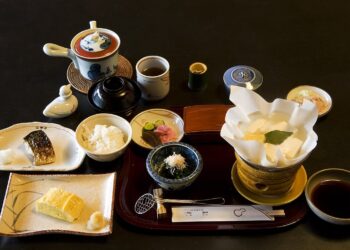
Traditional Japanese breakfast with grilled fish, rice, miso soup, tofu and pickles at a Kyoto inn
Healthcare

Healthy Breakfasts From Around the World: 11 Dishes to Try

Healthy breakfasts from around the world, from Japan's miso soup to Egypt's ful medames, with simple nutrition facts from WHO...

Read moreDetails
Hazy sunrise over Delhi with smoke from a power plant clouding the sky
Healthcare

Air Pollution and Health: How to Stay Safe on High AQI Days

Air pollution health tips for high AQI days: what India's AQI levels mean, which masks work, and Health Ministry advice...

Read moreDetails
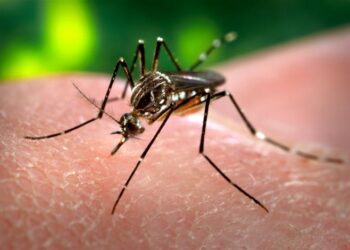
Close-up of an Aedes aegypti mosquito, the species that spreads dengue, feeding on human skin
Healthcare

Dengue Warning Signs: When a Fever Needs Urgent Care in India

Know the dengue warning signs that need urgent care, why the risk rises after fever drops, safe home care and...

Read moreDetails
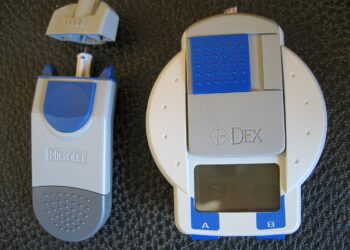
A glucometer showing a blood sugar reading after a finger-prick test
Healthcare

Prediabetes in India: Blood Sugar Numbers and What to Do Next

Prediabetes affects about 136 million Indians, says ICMR. Learn the HbA1c and fasting sugar ranges, who should test, and steps...

Read moreDetails
Fresh green spinach leaves, a common iron-rich vegetable in Indian kitchens
Healthcare

Anaemia in India: Signs, Causes and Iron-Rich Indian Foods

Anaemia in India affects 57% of women and 67% of young children, says NFHS-5. Know the signs, causes, haemoglobin levels...

Read moreDetails
Meloni, Macron and the 2024 G7 Abortion Row: What Happened
News

Meloni, Macron and the 2024 G7 Abortion Row: What Happened

Explainer on the Meloni Macron G7 row of June 2024: the viral 'death stare' clip, the abortion wording dispute in...

Read moreDetails
Load More
Next Post
What’s streaming: 13 Big Diwali releases on OTT platform this November

What's streaming: 13 Big Diwali releases on OTT platform this November

About

The Second Angle

The Second Angle (TSA Mag) is an infotainment and lifestyle magazine covering entertainment, travel, technology, health, education and finance.

Important Links

  • About The Second Angle
  • Advertise With Us
  • Editorial Policy
  • Privacy Policy
  • Terms and Conditions
  • Contact Us
  • Careers
  • Newsletter

Explore

  • Infotainment
  • Entertainment
  • Buzz
  • Education
  • Travel
  • Finance
  • Healthcare
  • Technology
Advertise with us

© 2017-2026. The Second Angle. All Rights Reserved. Developed and Managed by Squarebase.io

Welcome Back!

Login to your account below

Forgotten Password?

Retrieve your password

Please enter your username or email address to reset your password.

Log In
No Result
View All Result
  • Infotainment
    • Sports
    • People
    • Inspiring
  • Entertainment
    • Lifestyle
    • Home & Decoration
  • Buzz
  • Education
  • Travel
  • Finance
  • Healthcare
  • Technology

© 2017-2026. The Second Angle. All Rights Reserved. Developed and Managed by Squarebase.io

We use cookies to keep TSA fast and relevant. Read our Privacy Policy.