
The most fun festivals of the Philippines are Sinulog in Cebu City, Ati-Atihan in Kalibo, Panagbenga in Baguio, Pahiyas in Lucban, Pintados in Tacloban, Parada ng Lechon in Balayan and Kadayawan in Davao City. Most mix Catholic tradition with local culture, street dancing and food, and they are spread across the year from January to August.
For Indian travellers, a festival is one of the best ways to see Filipino culture up close. Here are the seven festivals, when they take place and what to expect.
- Quick facts: festivals of the Philippines
- 1. Sinulog Festival, Cebu City
- 2. Ati-Atihan Festival, Kalibo
- 3. Panagbenga Festival, Baguio City
- 4. Pahiyas Festival, Lucban
- 5. Parada ng Lechon, Balayan
- 6. Pintados Festival, Tacloban City
- 7. Kadayawan Festival, Davao City
- Tips for Indian travellers
- Frequently asked questions
Quick facts: festivals of the Philippines
| Festival | Place | When |
|---|---|---|
| Sinulog | Cebu City, Cebu | Third Sunday of January |
| Ati-Atihan | Kalibo, Aklan | January, main day on the third Sunday |
| Panagbenga | Baguio City | Through February |
| Pahiyas | Lucban, Quezon | 15 May |
| Parada ng Lechon | Balayan, Batangas | 24 June |
| Pintados | Tacloban City, Leyte | 29 June |
| Kadayawan | Davao City | August |
1. Sinulog Festival, Cebu City
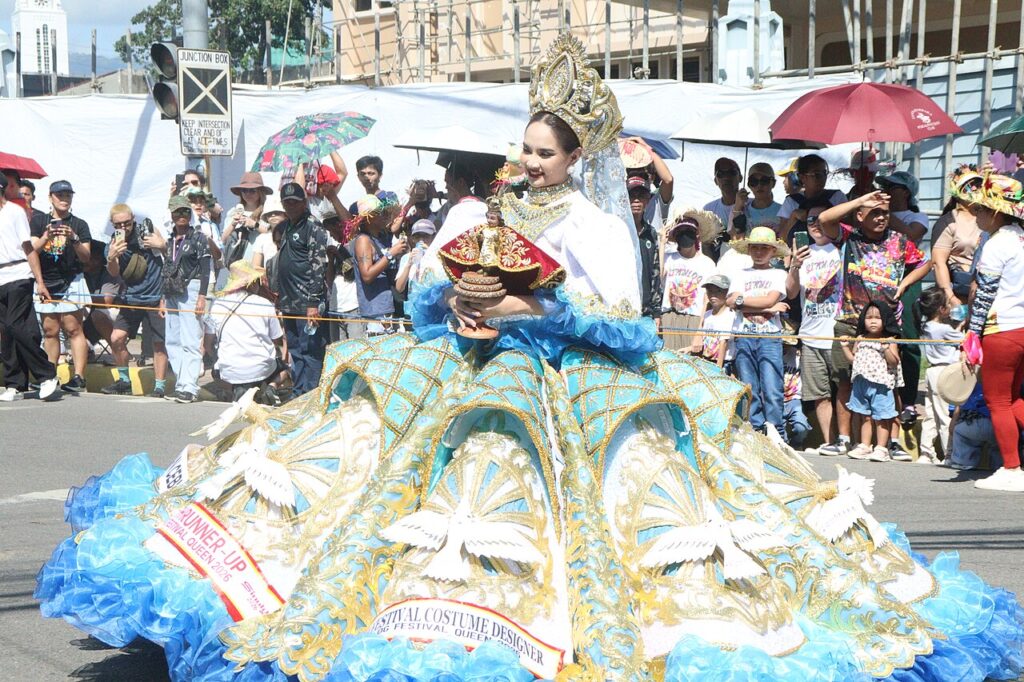
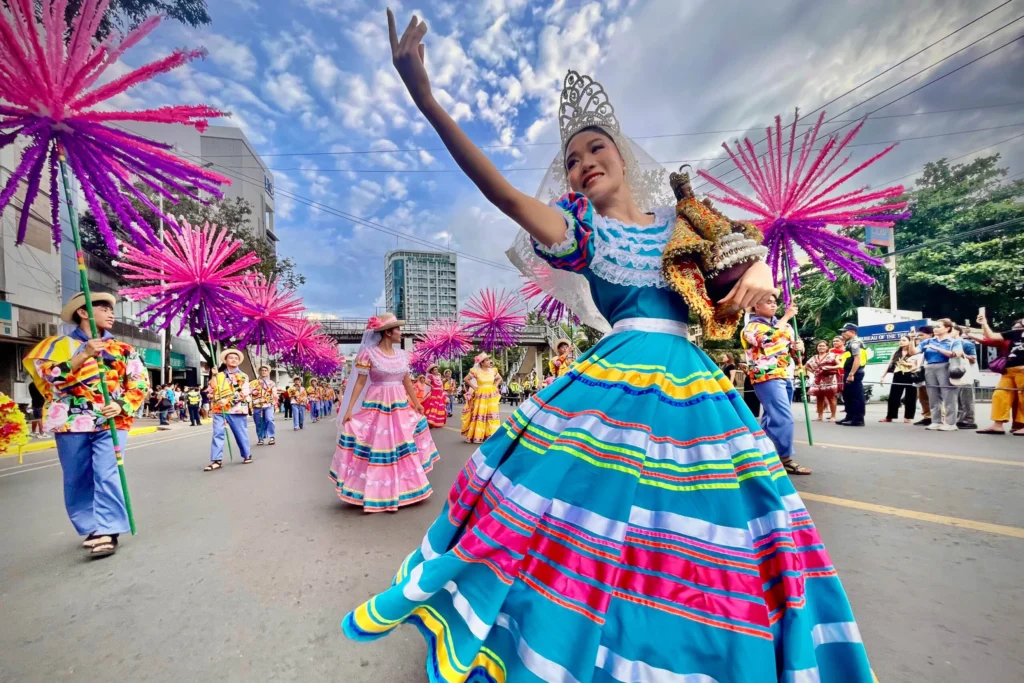
Sinulog is held every third Sunday of January in Cebu City. It honours the Santo Niño, the Holy Child Jesus, and marks the Filipino people’s acceptance of Christianity. The first modern Sinulog parade took place in January 1980.
 Also read10 Culinary Destinations In New Delhi For Food Lovers (2026)
The highlight is the grand parade, with dancers in bright costumes moving to drums and gongs. There are also river and street processions and masses at the Basilica del Santo Niño. The 2026 edition, held on 18 January, drew more than 5.2 million people. The next one falls on 17 January 2027.
2. Ati-Atihan Festival, Kalibo
Ati-Atihan takes place in January in Kalibo, the capital of Aklan province on Panay Island, with the biggest celebration on the third Sunday. It also honours the Santo Niño and is often called the “mother of all Philippine festivals” because it is believed to be the oldest and to have inspired Sinulog and Dinagyang.
Participants blacken their faces with soot to imitate the Ati people and dance through the streets. Historians note that the practice and its origins are debated, so it is worth reading up before you go.
3. Panagbenga Festival, Baguio City
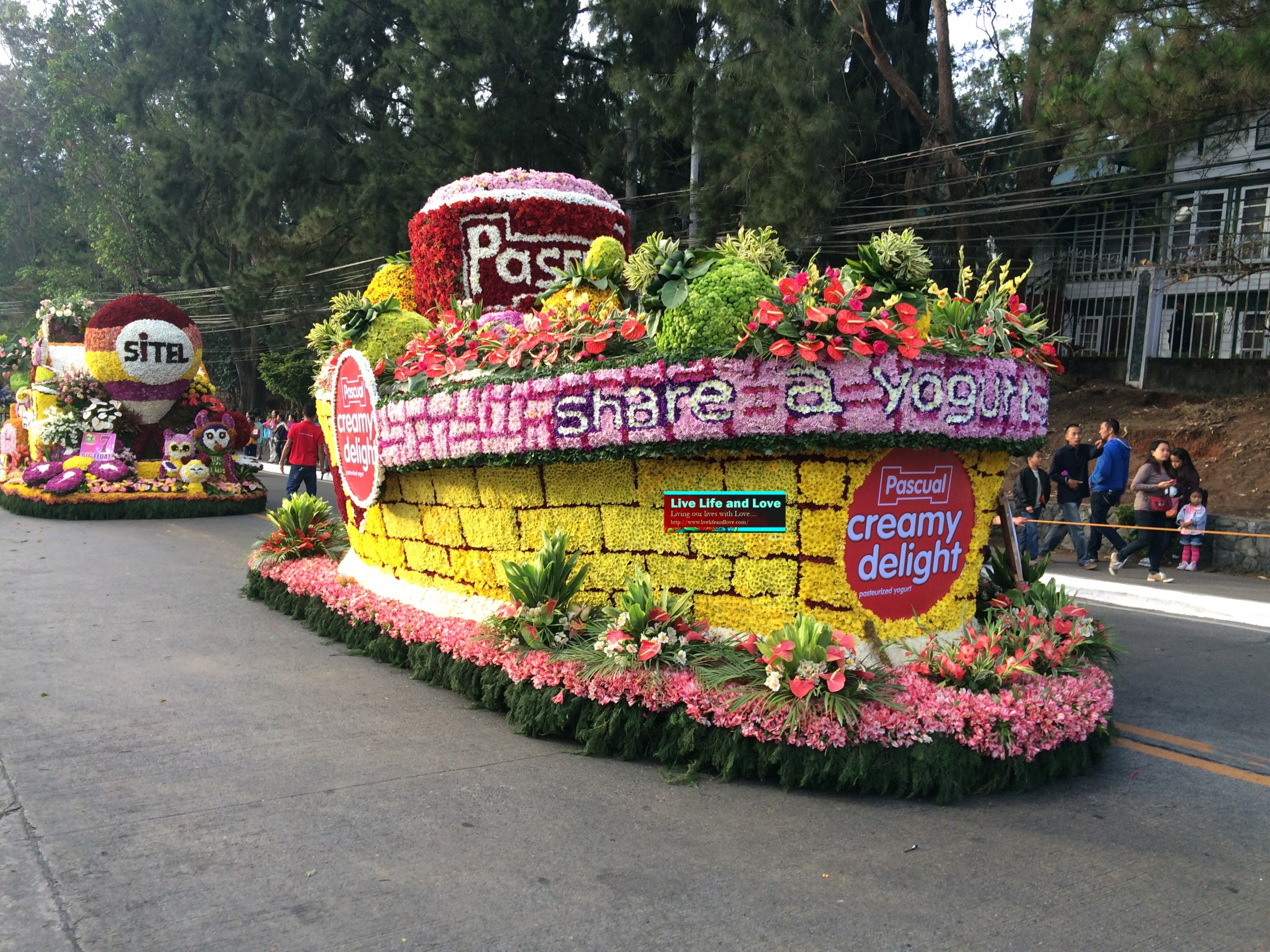
Panagbenga is a Kankanaey word meaning “season of blooming”. The flower festival of Baguio was launched in 1996 to celebrate the city’s flowers and help it recover from the 1990 Luzon earthquake. It opens on 1 February and runs for the whole month.
The street dancing and Grand Float Parade, with floats covered in flowers, happen in the last week of February. After the parade, Session Road closes to traffic for a week of stalls under the name Session Road in Bloom. The festival ends with fireworks on the first weekend of March.
4. Pahiyas Festival, Lucban
Pahiyas is held every 15 May in Lucban, Quezon, and now runs as a week-long celebration. It honours San Isidro Labrador, the patron saint of farmers, and gives thanks for the harvest.
Houses are decorated with fruits, vegetables, handicrafts and kiping, colourful leaf-shaped rice wafers that can later be grilled or fried and eaten. Houses are judged and the best one is named the winner. Lucban’s local longganisa sausages are also hung on house fronts and stalls.
5. Parada ng Lechon, Balayan
Every 24 June, the town of Balayan in Batangas holds the Parada ng Lechon, linked to the feast of its patron saint, John the Baptist. Whole roast pigs, called lechon, are dressed up in costumes and carried through the streets.
It is one of the most unusual food festivals in the country and a good stop for travellers who want to see local cooking traditions alongside a religious feast.
6. Pintados Festival, Tacloban City
Pintados is celebrated in Tacloban City, Leyte, and its main events are held on 29 June. It honours the Santo Niño and is based on the body-painting tradition of the ancient “pintados”, the tattooed warriors of the Visayas.
Performers paint their bodies with detailed designs and dance through the streets. The festival was first organised in 1986 and was later merged with the Kasadyaan Festival.
7. Kadayawan Festival, Davao City
Kadayawan is Davao City’s thanksgiving festival for the harvest, nature and the culture of its 11 ethnolinguistic tribes. It was officially named in 1988 and is held in August. The 2026 edition ran from 7 to 18 August.
The main event is Indak-Indak sa Kadayawan, a street dance competition with communities from across Mindanao in traditional costumes. The Kadayawan Village at Magsaysay Park showcases the culture of Davao’s tribes.
Tips for Indian travellers
- Visa: Since June 2025, eligible Indian tourists can enter the Philippines without a visa for up to 14 days, with a possible 7-day extension. Conditions apply, including a passport valid for six months and a return ticket. Check the latest rules with the Philippine Embassy in New Delhi before booking.
- Book early: Sinulog and Panagbenga draw huge crowds, so flights and hotels fill up weeks in advance.
- Plan your days: Street parades start early and run for hours, so carry water and keep valuables secure in crowds.
- Respect the faith: Many of these are religious feasts, so follow local customs at churches and processions.
For more destination guides, visit our Travel section or browse Lifestyle.
Further reading: Filipino.
Frequently asked questions
What is the biggest festival in the Philippines?
Sinulog in Cebu City is among the largest. The 2026 edition drew more than 5.2 million people, according to reports cited on Wikipedia.
When is the Sinulog Festival in 2027?
Sinulog is held on the third Sunday of January. In 2027, the main day falls on 17 January.
Which festival is called the mother of all Philippine festivals?
Ati-Atihan in Kalibo, Aklan, is called the mother of all Philippine festivals because it is believed to be the oldest and to have inspired others like Sinulog.
Do Indians need a visa for the Philippines?
Since June 2025, eligible Indian tourists can stay visa-free for up to 14 days. Others can apply for an e-Visa. Always confirm current rules with the Philippine Embassy.
Sources: Sinulog, Wikipedia; Panagbenga Festival, Wikipedia; Ati-Atihan festival, Wikipedia; Business Standard on Philippines visa-free entry for Indians.