

The best museums in Egypt for a first trip are the Grand Egyptian Museum in Giza, the Egyptian Museum in Tahrir Square, the National Museum of Egyptian Civilization, the Coptic Museum and the Museum of Islamic Art in Cairo, the Nubian Museum in Aswan, the Luxor Museum and the Alexandria National Museum.
Egypt’s museums changed a lot in the last few years. The full Tutankhamun collection has moved to a new home near the Giza pyramids, and the royal mummies now rest in a separate museum in Old Cairo. This refreshed guide covers eight fascinating museums in Egypt, what each one holds and how to fit them into a trip.
- Quick facts: 8 fascinating museums in Egypt
- 1. Grand Egyptian Museum (Giza)
- 2. The Egyptian Museum (Tahrir Square, Cairo)
- 3. National Museum of Egyptian Civilization (Fustat, Cairo)
- 4. The Coptic Museum (Old Cairo)
- 5. The Museum of Islamic Art (Cairo)
- 6. The Nubian Museum (Aswan)
- 7. The Luxor Museum (Luxor)
- 8. The Alexandria National Museum (Alexandria)
- How to plan museum visits in Egypt
- Frequently asked questions
Quick facts: 8 fascinating museums in Egypt
| Museum | City | Opened | Known for |
|---|---|---|---|
| Grand Egyptian Museum | Giza | Officially 1 November 2025 | Complete Tutankhamun collection |
| Egyptian Museum | Cairo (Tahrir Square) | 1902 | Narmer Palette, Old Kingdom statues |
| National Museum of Egyptian Civilization | Cairo (Fustat) | Inaugurated 2021 | Royal Mummies Hall |
| Coptic Museum | Old Cairo | 1910 | Coptic art, Nag Hammadi manuscripts |
| Museum of Islamic Art | Cairo | Current building 1903 | Mamluk glass, rare Qur’an manuscripts |
| Nubian Museum | Aswan | 1997 | Nubian history and culture |
| Luxor Museum | Luxor | 1975 | Luxor statue cache |
| Alexandria National Museum | Alexandria | 2003 | Greek and Roman era objects |
1. Grand Egyptian Museum (Giza)
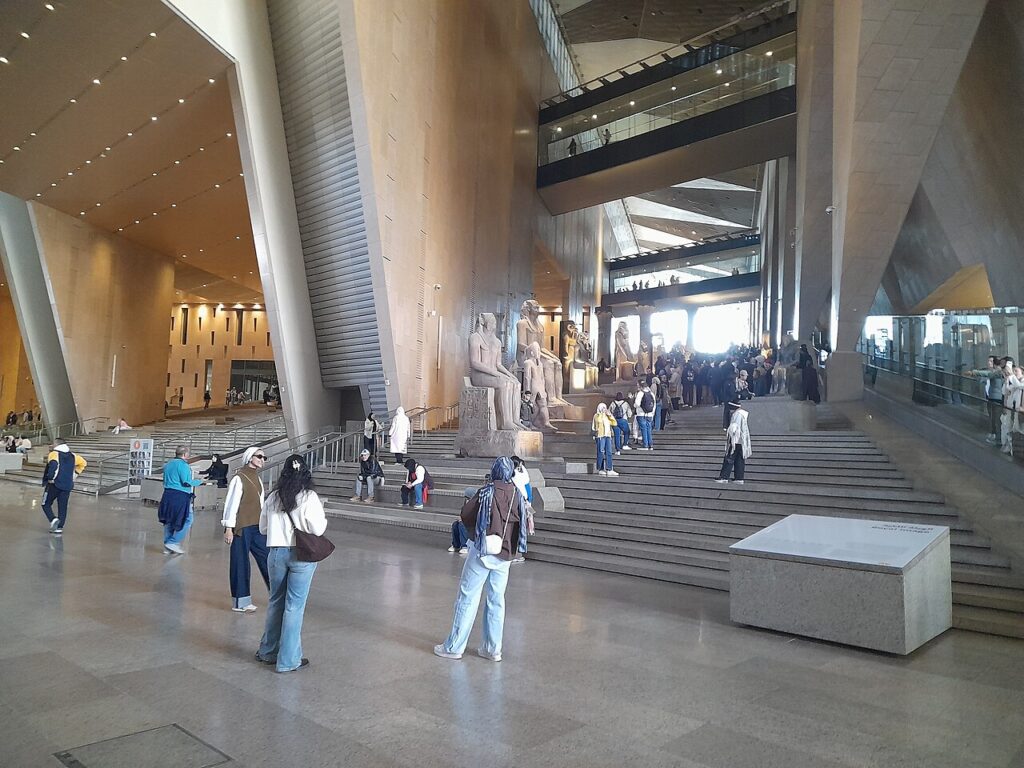
The Grand Egyptian Museum, or GEM, stands about 2 km from the Giza pyramids. After a trial opening in October 2024, it officially opened on 1 November 2025, according to its Wikipedia entry. It is now the headline museum for most visitors to Egypt.
 Also read10 Hidden Gems In India: Offbeat Destinations To Explore In 2026
The museum holds over 1 lakh artefacts across 12 main halls, from the Predynastic period to Roman Egypt. Its biggest draw is the complete Tutankhamun collection of 5,398 pieces, shown together in one place for the first time, with the golden mask as the centrepiece. Plan at least half a day here.
2. The Egyptian Museum (Tahrir Square, Cairo)
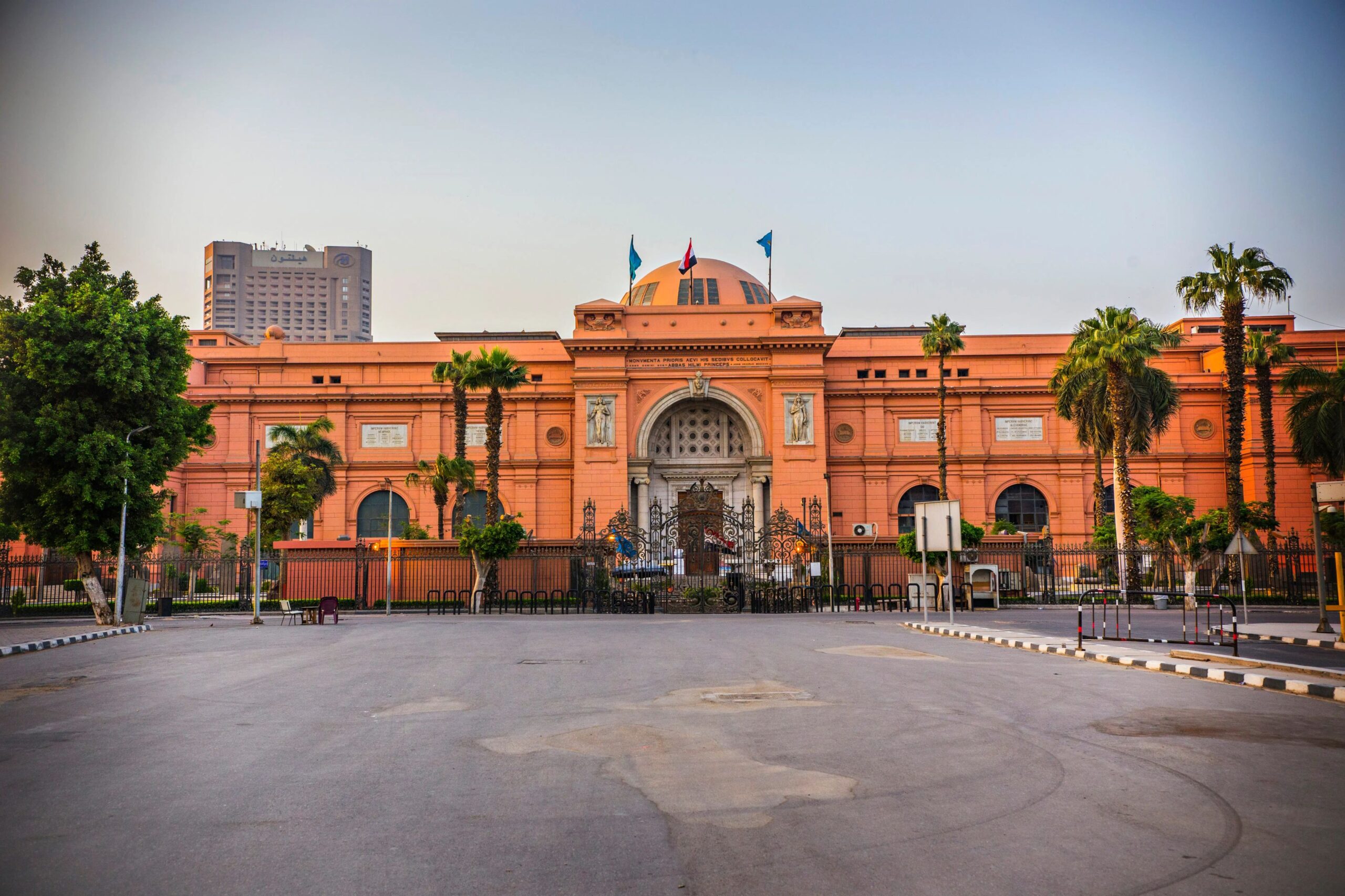
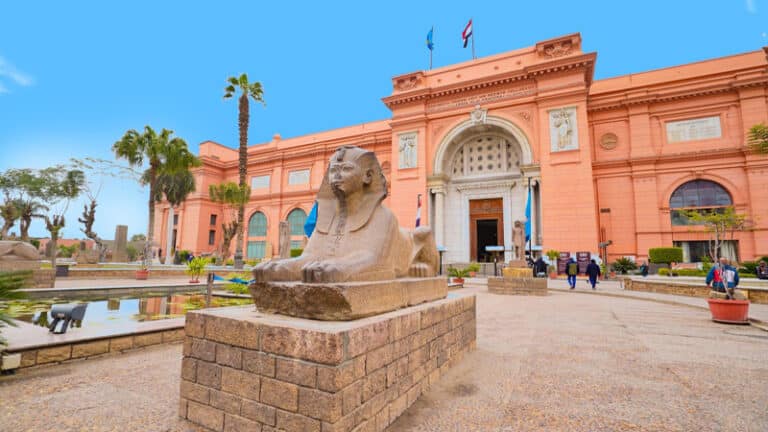
Opened on 15 November 1902, the Egyptian Museum in Tahrir Square was for over a century the main home of Egypt’s antiquities. It holds over 1,70,000 items. Many Tutankhamun pieces, including the gold mask, throne and iron dagger, have been moved to the GEM, so do not come here expecting the boy king’s treasures.
The museum is still worth a visit. Highlights include the Narmer Palette, statues of Djoser, Khafre, Menkaure and Hatshepsut, the treasures of Tanis and the funerary masks of Psusennes I. The old building itself, with its crowded galleries, gives a sense of how Egyptology began.
3. National Museum of Egyptian Civilization (Fustat, Cairo)
This museum partly opened in 2017 and was formally inaugurated on 3 April 2021. That day, 22 royal mummies were carried from the Egyptian Museum to Fustat in the Pharaohs’ Golden Parade.
Its Royal Mummies Hall displays rulers from the 17th to 20th dynasties, including Ramesses II, Hatshepsut and Thutmose III. The wider museum has about 50,000 artefacts covering Egyptian life from prehistory to modern times. It is close to Mar Girgis metro station, which makes it easy to pair with the Coptic Museum.
4. The Coptic Museum (Old Cairo)
Founded by Marcus Simaika Pasha in 1908 and inaugurated in 1910, the Coptic Museum holds the world’s largest collection of Coptic art and objects. Its roughly 16,000 artefacts are arranged in twelve sections, covering icons, frescoes, textiles, manuscripts and church vestments.
The museum also keeps the Nag Hammadi manuscripts, though these are open only to specialist researchers. It sits in the Coptic Cairo area, surrounded by historic churches, so a walk around the lanes after the visit is easy.
5. The Museum of Islamic Art (Cairo)
The Museum of Islamic Art holds more than 1 lakh objects, with about 4,500 on display in 25 halls. A car bomb aimed at the police headquarters across the road damaged the building and many artefacts in January 2014. The museum reopened in January 2017 after restoration.
Look out for the Fatimid lustre-painted dish, Mamluk enamelled glass mosque lamps, copper astrolabes and rare Qur’an manuscripts with calligraphy in silver ink. It is a good choice for readers interested in design, metalwork and calligraphy.
6. The Nubian Museum (Aswan)
The Nubian Museum in Aswan opened on 23 November 1997. Egyptian architect Mahmoud El-Hakim designed the building, and it won the Aga Khan Award for Architecture in 2001.
Spread over three floors, it traces the archaeology, history and culture of Nubia, and how Nubian and Egyptian society developed side by side. A diorama in the main hall shows traditional Nubian customs and crafts. Give it two to three hours.
7. The Luxor Museum (Luxor)
Opened in 1975 on the Nile corniche, the Luxor Museum is smaller than the Cairo museums but well laid out. It displays 26 New Kingdom statues from the Luxor statue cache, found at Luxor Temple in 1989.
Other highlights include a rebuilt wall from Akhenaten’s temple at Karnak and a calcite statue of the crocodile god Sobek with Amenhotep III. Since 2004, the mummies of Ahmose I and Ramesses I have been on show in a newer wing. An evening visit fits well after a day on the West Bank.
8. The Alexandria National Museum (Alexandria)
Housed in a restored Italianate palace from around 1926, the Alexandria National Museum opened on 31 December 2003. It holds about 1,800 artefacts, most transferred from other Egyptian museums.
Each floor covers a period. The ground level has Pharaonic objects, the next floor shows Greek and Roman pieces, including finds from Heraklion and Canopus, and the top floor covers Coptic and Islamic material and the story of the city. It is a compact museum that takes about two hours.
How to plan museum visits in Egypt
- Cairo and Giza: Give the GEM its own day. Combine the Egyptian Museum with Tahrir Square, and the NMEC with the Coptic Museum.
- Upper Egypt: Visit the Luxor Museum in the evening and the Nubian Museum on your Aswan day.
- Alexandria: Add the Alexandria National Museum to a day trip from Cairo.
- Tickets and timings: Prices for foreign visitors change often, so check the official Egyptian antiquities ticketing pages before you go.
For more trip ideas, see our travel section and the infotainment stories on history and culture.
Frequently asked questions
Which is the biggest museum in Egypt?
The Grand Egyptian Museum near the Giza pyramids is the largest. It covers about 5,00,000 square metres of grounds and holds over 1 lakh artefacts.
Where is Tutankhamun’s mask now?
The gold mask has moved from the Egyptian Museum in Tahrir Square to the Grand Egyptian Museum in Giza, where the full Tutankhamun collection is displayed. His mummy remains in the Valley of the Kings.
Where can I see the royal mummies in Cairo?
The royal mummies are in the Royal Mummies Hall of the National Museum of Egyptian Civilization in Fustat, Old Cairo. They were moved there in April 2021.
Is the old Egyptian Museum still worth visiting?
Yes. It still holds over 1,70,000 items, including the Narmer Palette and major Old Kingdom statues, even after the Tutankhamun treasures moved to the GEM.
Sources: Grand Egyptian Museum, Wikipedia, Egyptian Museum, Wikipedia, National Museum of Egyptian Civilization, Wikipedia, Nubian Museum, Wikipedia.