

LGBTQIA+ people in Afghanistan live in hiding. Same-sex relations were already a crime before 2021, but since the Taliban returned to power in August 2021, rights groups have documented beatings, detention, sexual violence and threats. In July 2025, the International Criminal Court named LGBTQI+ people among the victims of Taliban gender persecution.
This explainer sets out what the law said before the takeover, what has been reported since, and where things stand in October 2026. It relies on reports from rights groups, courts and established news outlets, and it avoids naming or describing individuals who could be put at risk.
The legal position before August 2021
Afghanistan never recognised same-sex relationships. The 1971 Marriage Law limited legal marriage to a Muslim man and a Muslim woman, so there was no space for civil unions or partnerships. The 1976 Penal Code, brought back after 2001, carried long prison terms for “pederasty”, a term widely read to include sex between men.
 Also readBoycott Chinese Products: What Changed in India Since 2020
A new Penal Code that came into force in 2018 explicitly criminalised consensual same-sex relations. Prison was the usual penalty under the elected government, but social pressure was often harsher than the courts. A 2017 US State Department human rights report described homosexuality in Afghanistan as widely seen as taboo, and said LGBTI groups operated underground.
Social attitudes and confusion
Public debate often mixed up homosexuality with child abuse, especially the practice of bacha bazi, in which powerful men exploit boys. These are separate issues. Bacha bazi is the sexual abuse of children, while being gay or transgender is about adult identity and consent. The confusion made it harder for LGBTQIA+ Afghans to speak up or seek help.
Very few Afghans ever came out in public. One of the first public figures to do so was academic and activist Nemat Sadat, who announced he was gay in 2013 and campaigned for LGBTQ rights from abroad. After Kabul fell, he told international media that LGBTQIA+ Afghans were in grave danger and appealed for evacuation help.
What changed after the Taliban takeover
When the Taliban took Kabul on 15 August 2021, many LGBTQIA+ Afghans deleted their social media accounts, destroyed documents and moved between relatives’ homes. During the group’s first rule in the 1990s, men accused of homosexuality faced death sentences, and Taliban figures had spoken of similar punishments before the 2021 takeover.
Human Rights Watch and OutRight Action International published a report in January 2022 based on interviews with LGBT Afghans. It recorded around 60 accounts of attacks and threats, including sexual assault, beatings and threats from Taliban members, family members and neighbours. Many said their lives had become far worse since the takeover.
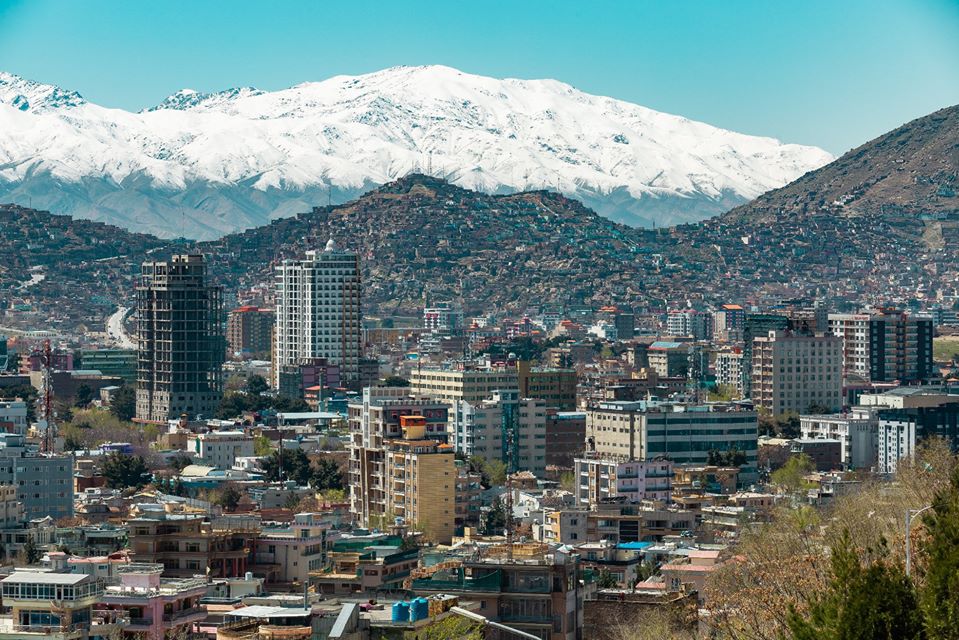
A later OutRight report in 2023 described what it called systematic targeting of LGBTQ people, especially gay men and transgender women, through arbitrary detention, physical and sexual assault and public flogging. The Taliban authorities have not acknowledged these findings.
The ICC arrest warrants of July 2025
In January 2025, ICC Prosecutor Karim Khan asked judges for arrest warrants against the Taliban’s supreme leader, Hibatullah Akhundzada, and the chief justice, Abdul Hakim Haqqani. On 8 July 2025, the judges issued both warrants for the crime against humanity of gender-based persecution.
The court said the persecution covered women and girls and also people the Taliban see as not conforming to their ideas of gender identity or expression, including members of the LGBTQI+ community. According to the Washington Blade, this was the first time the ICC had named LGBTQ people as victims in a gender persecution case. The Taliban rejected the warrants, and neither leader has been arrested.
| Date | Development |
|---|---|
| 2018 | New Penal Code explicitly criminalises same-sex relations |
| 15 August 2021 | Taliban take control of Kabul |
| January 2022 | Human Rights Watch and OutRight report on attacks against LGBT Afghans |
| January 2025 | ICC Prosecutor seeks arrest warrants for two Taliban leaders |
| 8 July 2025 | ICC issues warrants, naming LGBTQI+ people among victims |
Leaving the country
For most LGBTQIA+ Afghans, leaving is very hard. They need passports, visas and a safe route out, and many cannot ask family for help without revealing who they are. Rights groups have said that some people were evacuated or resettled with help from foreign governments and non-profit organisations, but the numbers were small compared with the need.
Those who reached neighbouring countries often faced a second wait, sometimes lasting years, for resettlement elsewhere. Several countries have also stepped up deportations of Afghans, which has increased fear among people who fled for their safety.
The wider picture in Afghanistan
The treatment of LGBTQIA+ people sits within a broader crackdown. Since 2021, the Taliban have barred girls from secondary school and university, restricted women’s work and travel, and issued a 2024 “vice and virtue” law that tightens rules on dress, music and behaviour in public. United Nations experts have repeatedly described the situation for women and girls as among the most severe in the world.
For readers following human rights stories, the ICC case is the most important development to watch. Warrants do not lead to quick arrests, but they limit where named officials can travel and they put the abuses on the international record. You can read more human interest stories in our People section and explainers in Infotainment.
Frequently asked questions
Is homosexuality illegal in Afghanistan?
Yes. Same-sex relations were criminalised under the 2018 Penal Code, and under Taliban rule since 2021 they are treated as serious crimes under the group’s reading of sharia, with rights groups reporting floggings and detention.
What did the ICC decide in July 2025?
On 8 July 2025, the ICC issued arrest warrants for Taliban leader Hibatullah Akhundzada and chief justice Abdul Hakim Haqqani for gender-based persecution. The court said LGBTQI+ people were among the victims.
Have the Taliban leaders been arrested?
No. As of October 2026, neither leader has been arrested. The ICC has no police force and depends on member states to carry out arrests.
Who documents abuses against LGBTQIA+ Afghans?
Groups such as Human Rights Watch and OutRight International have published detailed reports, and United Nations human rights experts monitor the wider situation in Afghanistan.
Sources: Washington Blade on the ICC warrants, Human Rights Watch report, January 2022, International Criminal Court: Situation in Afghanistan, Wikipedia: LGBTQ rights in Afghanistan.