

The most colourful festivals around the world include Holi in India, the Day of the Dead in Mexico, La Tomatina in Spain, Mardi Gras in the USA, Chinese New Year, Hanami in Japan, Songkran in Thailand and Carnival in Rio de Janeiro. Each has its own history, and most follow lunar or religious calendars, so dates change every year.
This updated guide explains what happens at each festival, when it takes place next and what travellers from India should know before planning a trip around one.
Festival calendar at a glance
| Festival | Country | When |
|---|---|---|
| Day of the Dead | Mexico | 1 and 2 November 2026 |
| Chinese New Year | China and Chinese communities | 6 February 2027 |
| Rio Carnival | Brazil | Days before Ash Wednesday, early February 2027 |
| Mardi Gras | USA (New Orleans) | 9 February 2027 |
| Holi | India and Nepal | Phalguna full moon, March 2027 |
| Hanami | Japan | Late March to early April |
| Songkran | Thailand | 13 to 15 April |
| La Tomatina | Spain | 25 August 2027 |
8 most colourful festivals around the world
1. Holi, India
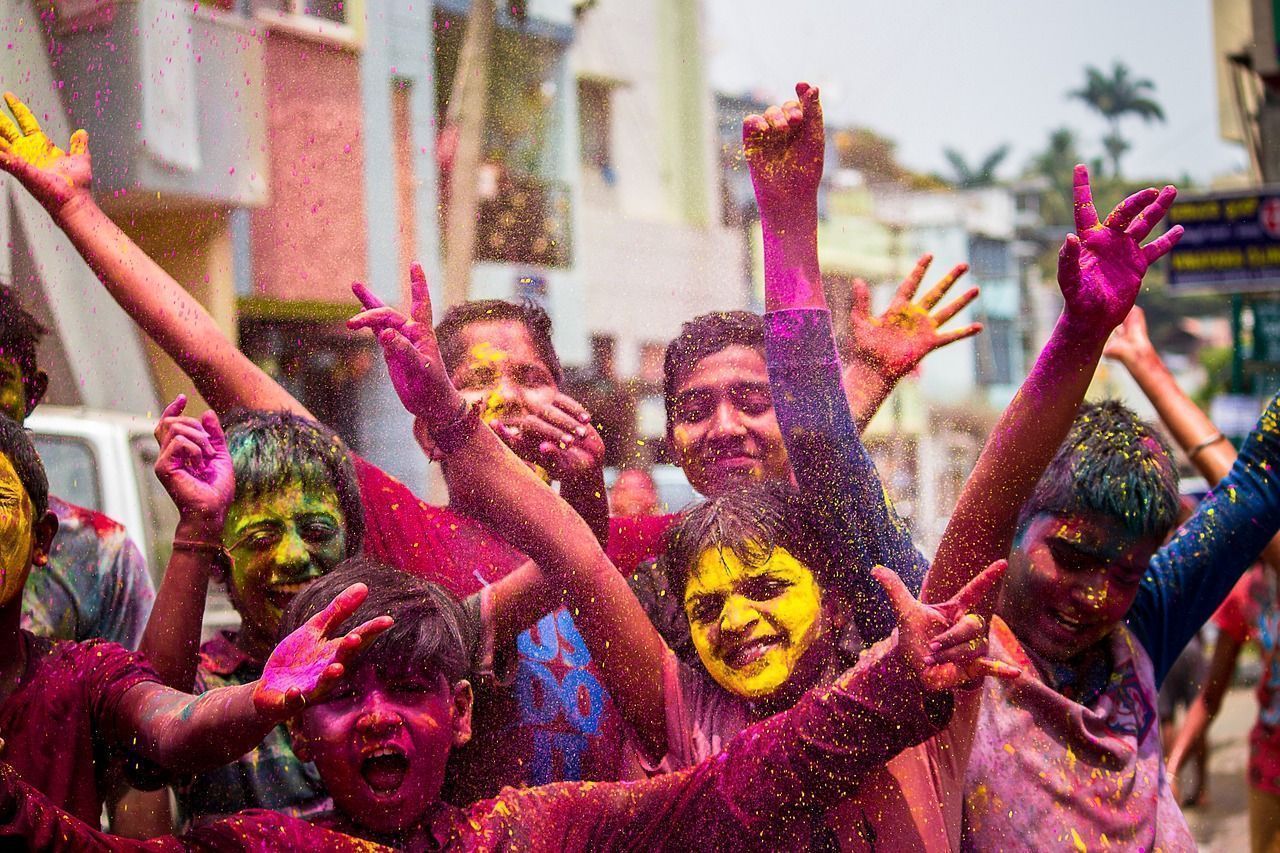
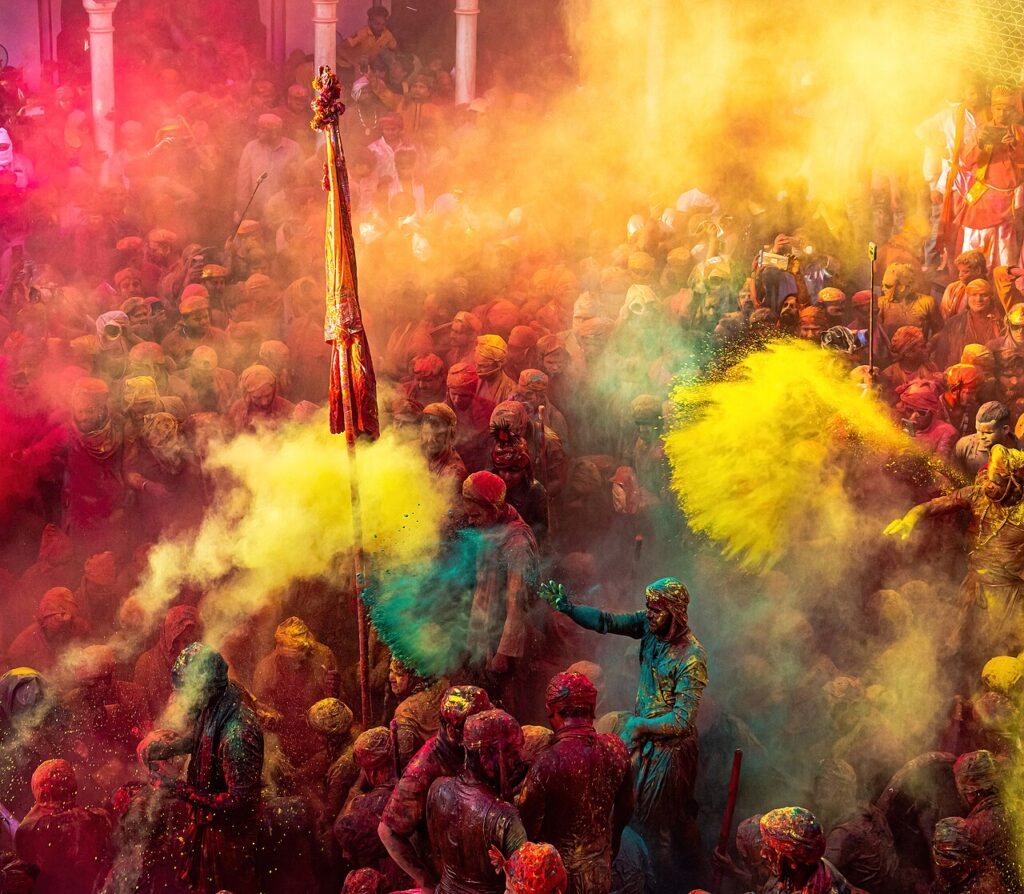
Holi, the festival of colours, falls on the full moon of the Hindu month of Phalguna, usually in March. The night before, people light bonfires for Holika Dahan, which recalls the story of Prahlad’s escape from the fire that consumed Holika and marks the victory of good over evil.
 Also read7 Best Foodie Destinations in Hong Kong for Indian Travellers
On Holi morning, people throw coloured powder and water at each other, share sweets such as gujiya and visit friends. Mathura, Vrindavan and Barsana in Uttar Pradesh hold some of the best-known celebrations, including Lathmar Holi in Barsana, where women playfully chase men with sticks.
2. Day of the Dead, Mexico
Día de los Muertos is held mainly on 1 and 2 November. Families remember relatives who have died by building home altars, called ofrendas, with photos, favourite foods and candles. Bright orange marigolds are used to decorate altars and graves, as they are believed to guide souls home.
Sugar skulls, painted faces and parades make it one of the most colourful events in the world. UNESCO added the indigenous festivity to its intangible cultural heritage list in 2008.
3. La Tomatina, Spain
La Tomatina takes place in Buñol, near Valencia, on the last Wednesday of August. It started in 1945 with a spontaneous tomato fight in the town square, and it is now a large tomato-throwing event in the town’s streets.
Since 2013, entry has been limited to ticket holders, with a cap of 20,000 participants. The 2026 edition was held on 26 August, and the next one falls on 25 August 2027. Book tickets and stay early, as Buñol is a small town.
4. Mardi Gras, USA
Mardi Gras, French for “Fat Tuesday”, is the last day before the Christian season of Lent. New Orleans hosts the most famous celebrations in the USA, with weeks of parades, floats and costumes in the colours purple, green and gold.
Parade riders throw beads and small gifts to crowds. In 2027, Mardi Gras falls on 9 February, with the main parade season building in the weeks before.
5. Chinese New Year
Also called the Spring Festival, Chinese New Year follows the lunar calendar and usually falls between late January and mid-February. Celebrations traditionally run for about 15 days and end with the Lantern Festival.
Red decorations, lanterns, fireworks, lion dances and family dinners are central to the festival. In 2027 it falls on 6 February. Large celebrations also take place in Hong Kong, Singapore, Malaysia and Chinatowns around the world.
6. Hanami, Japan
Hanami means “flower viewing” and refers to the custom of gathering under blooming cherry trees in spring. The tradition goes back more than a thousand years to the Japanese imperial court.
Today, families and office groups hold picnics in parks such as Ueno Park in Tokyo and Maruyama Park in Kyoto. Blossoms usually peak in late March or early April in central Japan, and Japanese weather services publish forecasts each year.
7. Songkran, Thailand
Songkran marks the Thai New Year from 13 to 15 April. Traditionally, people visit temples, pour scented water over Buddha images and over the hands of elders to seek blessings.
In cities such as Bangkok and Chiang Mai, it has also become a large public water fight. UNESCO has added Songkran in Thailand to its list of intangible cultural heritage.
8. Rio Carnival, Brazil
Brazil’s Carnival is held in the days before Ash Wednesday. In Rio de Janeiro, samba schools compete in parades at the Sambadrome, with huge floats and thousands of costumed dancers.
Street parties called blocos take place across the city. For 2027, Carnival ends on 9 February, which is Fat Tuesday. Hotels fill quickly, so plan months ahead.
Tips for Indian travellers
- Visas: Check visa rules for each country on the official embassy or immigration website well ahead of the dates.
- Crowds: Big festivals bring large crowds. Keep valuables in a zipped bag and agree on a meeting point with your group.
- Clothes and skin: Wear old clothes for Holi, La Tomatina and Songkran. Use waterproof covers for phones.
Find more trip ideas in our Travel section and culture stories in Lifestyle.
Further reading: transfer money to Mexico.
Frequently asked questions
Which is the most colourful festival in the world?
Holi is widely seen as the most colourful festival, as people throw coloured powder and water at each other across India and Nepal.
When is the next Day of the Dead?
It will be held on 1 and 2 November 2026 in Mexico.
Do you need a ticket for La Tomatina?
Yes. Since 2013, only ticket holders can take part, with a limit of 20,000 people.
When is Chinese New Year 2027?
Chinese New Year 2027 falls on 6 February.
Sources: UNESCO: Day of the Dead, Wikipedia: La Tomatina, Wikipedia: Songkran.