



The most loved Indian winter delicacies include gajar ka halwa, sarson ka saag with makki ki roti, gajak, daulat ki chaat, panjiri, undhiyu, nolen gur sweets, til laddoo and hot pakoras with chai. Most of them use seasonal produce such as red carrots, mustard greens and fresh date palm jaggery, which is why they appear mainly between November and February.
Each region has its own cold-weather favourites. Below are 11 winter delicacies from across India, what goes into them and where they are most popular. For more on seasonal food and habits, browse our lifestyle section.
- Quick facts: Indian winter delicacies at a glance
- 1. Gajar ka halwa
- 2. Sarson ka saag and makki ki roti
- 3. Gajak
- 4. Rogan josh
- 5. Daulat ki chaat
- 6. Panjiri
- 7. Undhiyu
- 8. Nolen gur sandesh and rosogolla
- 9. Til laddoo and chikki
- 10. Gond ke laddoo
- 11. Vegetable pakoras with chai
- Eating winter delicacies sensibly
- Frequently asked questions
Quick facts: Indian winter delicacies at a glance
| Dish | Region | Main ingredients | Sweet or savoury |
|---|---|---|---|
| Gajar ka halwa | North India | Red carrots, milk, ghee, sugar | Sweet |
| Sarson ka saag, makki ki roti | Punjab | Mustard greens, maize flour | Savoury |
| Gajak | Uttar Pradesh, Madhya Pradesh, Rajasthan | Sesame or peanuts, jaggery | Sweet |
| Daulat ki chaat | Old Delhi, Lucknow, Varanasi | Whipped milk foam, sugar | Sweet |
| Undhiyu | Gujarat | Winter beans, yam, brinjal | Savoury |
| Nolen gur sandesh | West Bengal | Chhena, date palm jaggery | Sweet |
1. Gajar ka halwa
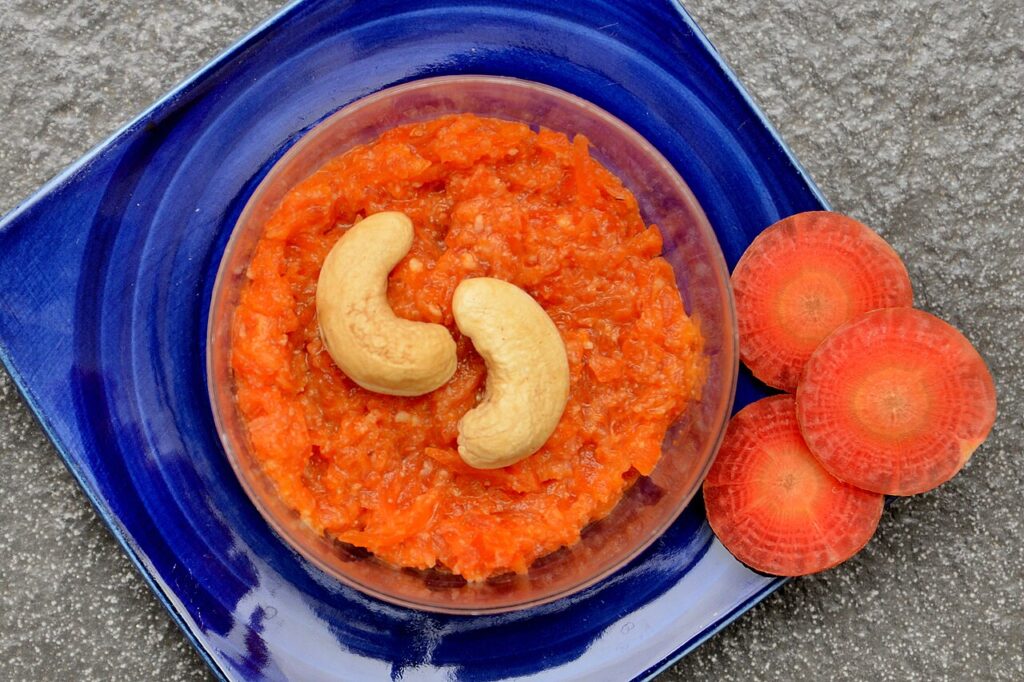
No list of winter delicacies is complete without gajar ka halwa. The juicy red Delhi carrots that come to markets in winter are grated and cooked slowly in milk until it reduces, then finished with ghee, sugar and dry fruits.
Many families make a big batch and store it for a few days. It is served warm, sometimes with a scoop of vanilla ice cream in restaurants.
2. Sarson ka saag and makki ki roti
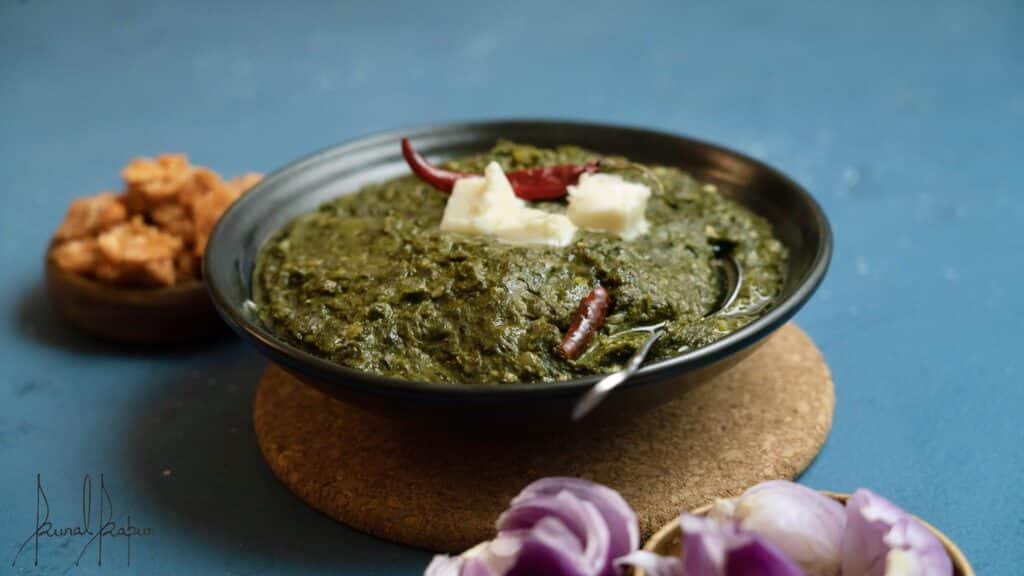
This Punjabi pairing is the signature winter meal of North India. Mustard greens are cooked with spinach and bathua, mashed and tempered with garlic and ginger. It is eaten with makki ki roti, a flatbread made from maize flour.
A dollop of white butter on top and a piece of jaggery on the side are traditional. The dish is filling and suits the cold Punjab evenings well.
3. Gajak
Gajak is a brittle, flaky sweet made by beating jaggery or sugar with roasted sesame seeds or peanuts. Morena in Madhya Pradesh is especially known for it, and it is sold widely in Uttar Pradesh and Rajasthan.
It is available all year in some shops, but sales peak in winter and around Makar Sankranti and Lohri in January.
4. Rogan josh
Rogan josh is a slow-cooked mutton curry from Kashmir, flavoured with Kashmiri red chilli, fennel and dry ginger. It gets its deep red colour from the chillies and ratan jot, not from heat.
In the Kashmir winter, rich meat dishes like this are part of everyday cooking. It is usually eaten with steamed rice.
5. Daulat ki chaat
Daulat ki chaat is a light, airy sweet made by whipping milk and cream into a foam, traditionally left out on cold winter nights. It is topped with sugar, saffron, khoya and pistachio.
In Old Delhi’s Chandni Chowk, vendors sell it only in the cooler months, roughly from late October to February. Lucknow calls its version makkhan malai, and Varanasi has malaiyo.
6. Panjiri
Panjiri is a Punjabi preparation of whole wheat flour roasted in ghee and mixed with sugar, dry fruits, edible gum (gond) and seeds. It is a traditional winter food in many North Indian homes.
It is also prepared as prasad and is commonly given to new mothers. It is dense and high in calories, so a small serving is enough.
7. Undhiyu
Undhiyu is Gujarat’s best known winter dish. It is a mixed vegetable preparation of surti papdi beans, purple yam, sweet potato, small brinjals and fenugreek dumplings called muthiya, cooked with green garlic and spices.
The name comes from the Gujarati word for upside down, as it was once cooked in an earthen pot buried in the ground. It is a must on Uttarayan, the kite festival on 14 January.
8. Nolen gur sandesh and rosogolla
In West Bengal, winter means nolen gur, the fresh jaggery made from date palm sap. Sweet shops in Kolkata use it to make sandesh, rosogolla and payesh with a deep caramel flavour.
The sap can only be collected in the cold months, so these sweets are seasonal. Patali gur, the hardened cake form, is also sold in markets.
9. Til laddoo and chikki
Sesame and jaggery laddoos are made across Maharashtra, Karnataka, Punjab and other states around Makar Sankranti. In Maharashtra, people exchange tilgul with the words “tilgul ghya, god god bola”, meaning take this sweet and speak sweetly.
Peanut chikki from Lonavala and other towns is a close cousin and is popular all winter.
10. Gond ke laddoo
These laddoos combine edible gum fried in ghee with wheat flour, dry fruits and jaggery or sugar. They are a common winter preparation in Rajasthan, Punjab and Haryana homes.
Like panjiri, they are rich, so families usually eat one a day rather than several.
11. Vegetable pakoras with chai
A plate of hot onion, potato, cauliflower or spinach pakoras with green chutney and masala chai is the simplest winter comfort food. Fresh winter vegetables like cauliflower and spinach make them taste better in this season.
They are easy to make at home and are a favourite on foggy evenings in the North.
Eating winter delicacies sensibly
Many of these dishes are made with ghee, jaggery, sugar and dry fruits, so they are high in calories. Enjoy them in small portions alongside seasonal fruit and vegetables. People with diabetes or other health conditions should ask a doctor or dietitian about portion sizes. Read more food and wellness stories in our health section.
Further reading: Telegram.
Frequently asked questions
Which sweets are eaten in winter in India?
Popular winter sweets include gajar ka halwa, gajak, til laddoo, gond ke laddoo, panjiri, daulat ki chaat and nolen gur sandesh in Bengal.
Why is daulat ki chaat available only in winter?
The milk foam is traditionally set overnight in cold air and melts quickly in heat, so vendors in Old Delhi sell it only in the cooler months.
What is the famous winter food of Punjab?
Sarson ka saag with makki ki roti is Punjab’s best known winter meal, usually served with white butter and jaggery.
What is undhiyu made of?
Undhiyu is a Gujarati mix of winter beans, purple yam, sweet potato, small brinjals and fenugreek dumplings, cooked with green garlic and spices.
Sources: Wikipedia: Gajar ka halwa, Wikipedia: Undhiyu, Wikipedia: Daulat ki chaat.