




“Bihar se ho kya?” is a question many people from Bihar hear in hostels, offices and metro cities, usually followed by a stereotype. The common ones say Biharis cannot speak English, all speak Bhojpuri, all prepare for UPSC and eat litti chokha daily. Here are 10 such stereotypes and what the facts say.
Bihar is one of India’s most populous states. The 2011 Census counted about 10.4 crore people, and the state’s caste-based survey of 2023 put the figure at about 13 crore. A population that large cannot fit into one image, yet a few clichés from films, jokes and social media keep doing the rounds.
Quick facts about Bihar
| Item | Fact |
|---|---|
| Capital | Patna |
| Population | About 10.4 crore (Census 2011); about 13 crore (Bihar caste survey 2023) |
| Official languages | Hindi, with Urdu as second official language |
| Other major languages | Maithili, Bhojpuri, Magahi, Angika, Bajjika |
| UNESCO World Heritage Sites | Mahabodhi Temple, Bodh Gaya; Nalanda Mahavihara |
10 stereotypes every Bihari faces
1. “Biharis can’t speak English”
This is perhaps the most common one. Like students anywhere in India, young people in Bihar learn English in school, with fluency depending on the school, the teachers and practice. Many Biharis study and work in English every day in Delhi, Bengaluru, Pune and abroad. An accent is not a measure of ability.
 Also readTom Cruise Net Worth 2026: Salary, Career, Homes and Facts
2. “You don’t look like a Bihari”
This is often meant as a compliment, which makes it worse. There is no single Bihari look. The state shares borders with Nepal, West Bengal, Jharkhand and Uttar Pradesh, and its people are as varied as those of any large Indian state.


3. “Everyone in Bihar speaks Bhojpuri”
Bhojpuri is widely spoken in western Bihar, but it is one of several languages. Maithili, spoken around Darbhanga and Madhubani, is listed in the Eighth Schedule of the Constitution. Magahi is common around Patna and Gaya, and Angika and Bajjika are spoken in other regions. Hindi and Urdu are the official languages.
4. “Every Bihari is preparing for UPSC”
Bihar has a strong tradition of competitive exams, and Patna’s coaching hubs are well known. But most people in a state of over 10 crore are farmers, traders, teachers, doctors, engineers, artists and workers in every trade. Civil services is one ambition among many.
5. “Why do you say ‘hum’ instead of ‘main’?”
Using “hum” for “I” is a feature of the Hindi spoken across much of Bihar and eastern Uttar Pradesh. It is regional usage, not bad grammar or arrogance. Every region of India has its own way of speaking Hindi.
6. “You must love Bhojpuri songs”
Some do and some don’t. Music taste in Bihar is as varied as anywhere else: Bollywood, folk, classical, Punjabi pop and international music all have fans. Bihar also has older traditions such as Maithili folk songs and the songs sung during Chhath Puja.
7. “Biharis eat with their hands, so they must be rough”
Eating with the hand is common across India, from Kerala to Punjab, and is part of many food cultures. Linking it with one state, or with manners, makes little sense.
8. “Biharis eat litti chokha every day”
Litti chokha is the dish most outsiders know, and it is loved at home too. But Bihari food also includes sattu paratha, dal pitha, khaja from Silao, thekua made for Chhath, tilkut from Gaya and a wide range of everyday dal, rice and sabzi.
9. “Bihar students only pass by cheating”
Isolated cases of exam malpractice have made national news over the years, as they have in other states. Judging lakhs of students by those reports is unfair to everyone who earns their marks, including the many from Bihar who clear tough national exams each year.
10. “Bihar means guns and crime”
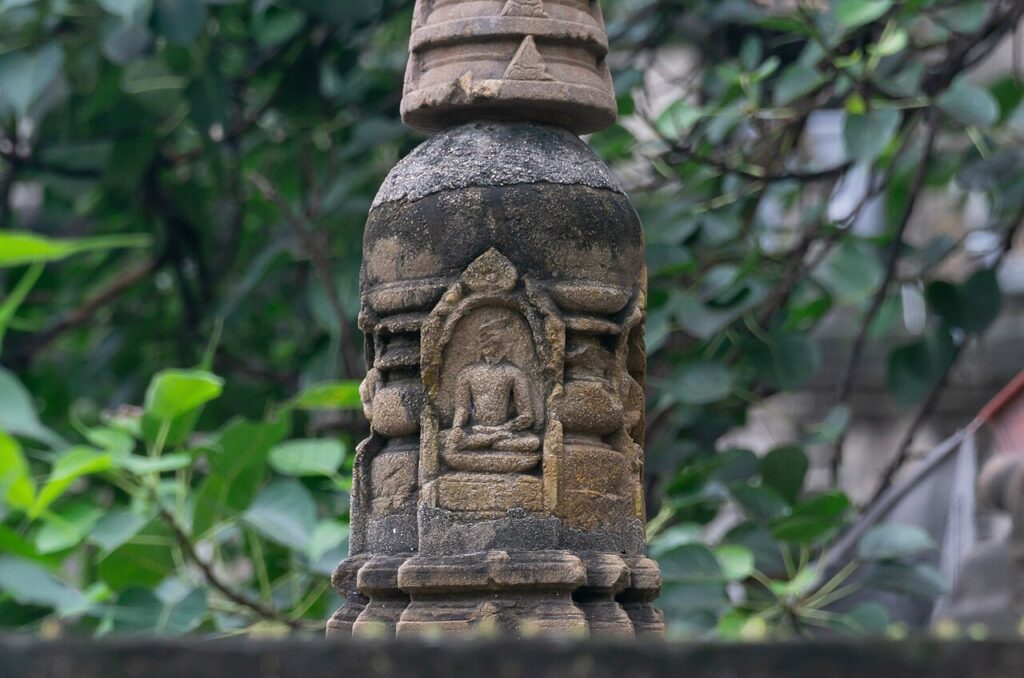
Crime exists in every state, and films have often used Bihar as a shorthand for lawlessness. That image ignores daily life for most people and the state’s long history. Bihar is home to Bodh Gaya, where the Buddha attained enlightenment, and to the ruins of the ancient Nalanda university, both UNESCO World Heritage Sites.
Where these stereotypes come from
Many of these ideas grew from films and TV that use one accent or one character type for comedy or villainy. Migration also plays a part. People from Bihar move across India for study and work, so they meet more outsiders, and a few jokes travel faster than real stories.
Stereotypes can hurt. They can affect how people are treated at work, in housing and in classrooms. A good rule is simple: judge a person by what they do, not by their home state. More reads on culture and society are in our lifestyle section and buzz section.
What Bihar is known for instead
- History: Pataliputra, now Patna, was the capital of the Maurya empire.
- Religion and heritage: Bodh Gaya for Buddhists, and Vaishali and Pawapuri for Jains.
- Art: Madhubani or Mithila painting is famous across the world.
- Festivals: Chhath Puja, now celebrated by Bihari communities across India and abroad.
Further reading: Lollipop Lage Lu, Telegram.
Frequently asked questions
What are common stereotypes about Biharis?
Common ones claim Biharis cannot speak English, all speak Bhojpuri, all prepare for UPSC, eat only litti chokha and are linked with crime. None of these applies to a population of over 10 crore.
What languages are spoken in Bihar?
Hindi and Urdu are official. Maithili, Bhojpuri, Magahi, Angika and Bajjika are widely spoken in different regions.
Why do people from Bihar say “hum”?
Using “hum” for “I” is normal regional Hindi in Bihar and eastern Uttar Pradesh. It is not a grammar mistake.
Which UNESCO sites are in Bihar?
The Mahabodhi Temple Complex at Bodh Gaya and the Archaeological Site of Nalanda Mahavihara.
Sources: UNESCO: Mahabodhi Temple Complex, UNESCO: Nalanda Mahavihara, Wikipedia: Bihar.