


Quick answer
India has more than 40 UNESCO World Heritage Sites, among the most of any country. They include cultural sites such as the Taj Mahal, Ajanta and Ellora caves and Hampi, natural sites such as Kaziranga and the Western Ghats, and one mixed site, Khangchendzonga National Park. Recent additions include the Moidams of Assam (2024) and the Maratha Military Landscapes (2025).
A World Heritage Site is a place recognised by UNESCO for “outstanding universal value” to humanity. India’s first sites, including the Taj Mahal, Agra Fort and the Ajanta and Ellora caves, were inscribed in 1983. The list below groups the major sites by region to help you plan trips.
 Also readHow to Read a Food Label in India: A Simple FSSAI Guide
North India
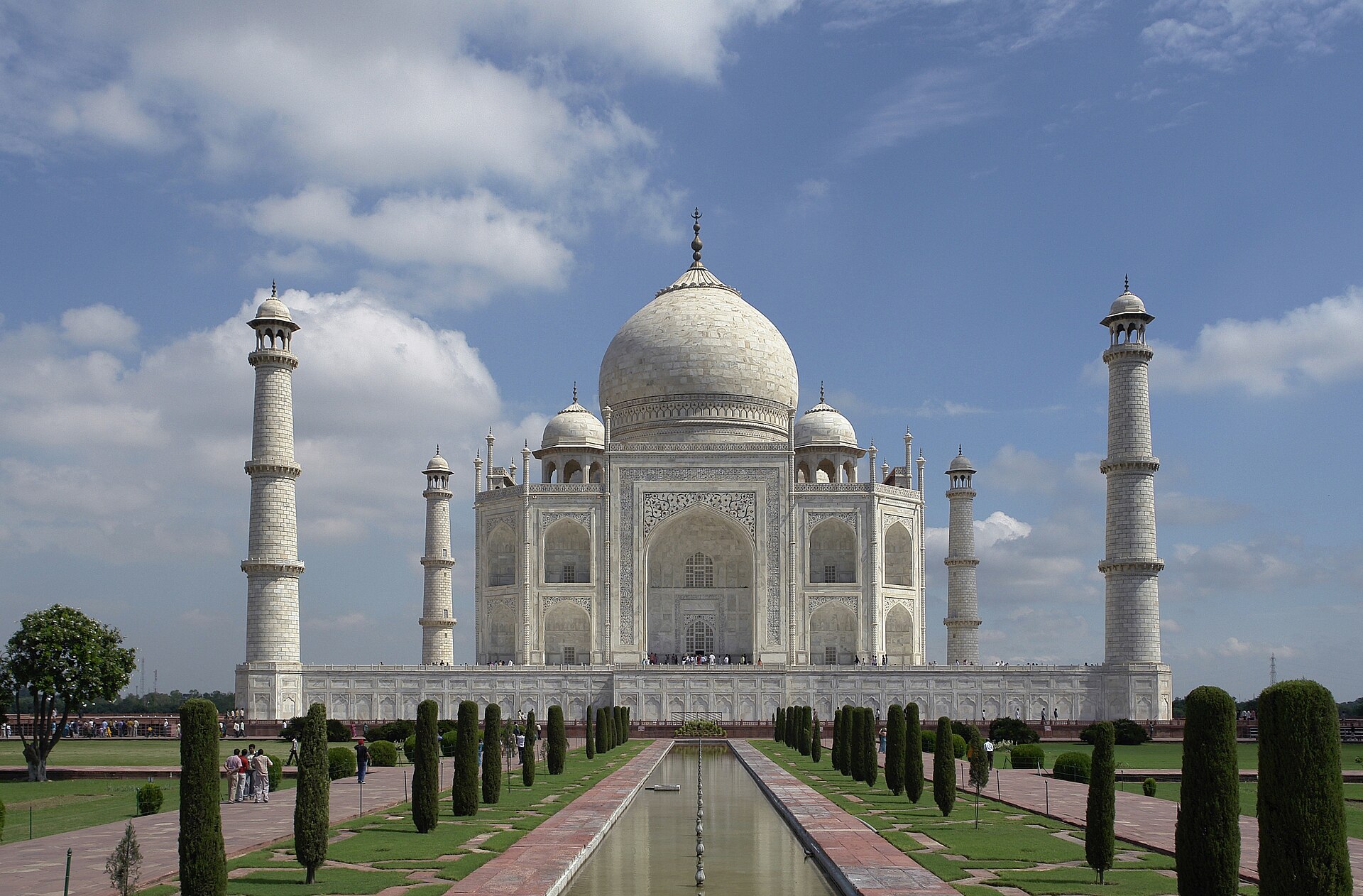
- Taj Mahal, Agra Fort and Fatehpur Sikri in Uttar Pradesh
- Qutb Minar, Humayun’s Tomb and the Red Fort Complex in Delhi
- Kalka–Shimla Railway, part of the Mountain Railways of India
- Great Himalayan National Park in Himachal Pradesh
- Nanda Devi and Valley of Flowers National Parks in Uttarakhand
- Capitol Complex, Chandigarh, part of Le Corbusier’s architectural work
West India
- Ajanta Caves, Ellora Caves and Elephanta Caves in Maharashtra
- Chhatrapati Shivaji Terminus and the Victorian Gothic and Art Deco Ensembles of Mumbai
- Maratha Military Landscapes, a series of forts in Maharashtra and Tamil Nadu
- Rani ki Vav, Champaner-Pavagadh, Dholavira and the Historic City of Ahmedabad in Gujarat
- Jaipur City, Jantar Mantar and the Hill Forts of Rajasthan
- Churches and Convents of Goa
South India
- Hampi and Pattadakal in Karnataka
- Sacred Ensembles of the Hoysalas at Belur, Halebidu and Somanathapura
- Mahabalipuram and the Great Living Chola Temples in Tamil Nadu
- Ramappa Temple in Telangana
- Nilgiri Mountain Railway, part of the Mountain Railways of India
- Western Ghats, spread across several southern and western states
East and Northeast India
- Sun Temple, Konark in Odisha
- Mahabodhi Temple, Bodh Gaya and Nalanda Mahavihara in Bihar
- Sundarbans National Park, Santiniketan and the Darjeeling Himalayan Railway in West Bengal
- Kaziranga and Manas National Parks, and the Moidams of the Ahom dynasty, in Assam
- Khangchendzonga National Park in Sikkim, India’s only mixed cultural and natural site
Central India
- Khajuraho Group of Monuments, Buddhist Monuments at Sanchi and Rock Shelters of Bhimbetka in Madhya Pradesh
Tips for visiting heritage sites
- Most monuments are managed by the Archaeological Survey of India, and many tickets can be bought online.
- Visit early in the morning for fewer crowds and softer light.
- Check opening days; the Taj Mahal, for example, is closed to general visitors on Fridays.
- Hire authorised guides and respect rules on photography, drones and dress at religious sites.
Frequently asked questions
How many UNESCO World Heritage Sites are there in India?
India has more than 40 UNESCO World Heritage Sites, including cultural, natural and mixed sites. The number grows as new sites are inscribed.
Which was the latest Indian site added to the UNESCO list?
Recent additions include the Moidams of Assam in 2024 and the Maratha Military Landscapes in 2025.
Which Indian site is both cultural and natural?
Khangchendzonga National Park in Sikkim is India’s only mixed World Heritage Site.
Sources and further reading
Featured image: Photo: Yann; edited by King of Hearts / Wikimedia Commons (CC BY-SA 4.0)
The UNESCO list is updated each year. Check the official list for the latest additions.