

Quick answer
To read a food label in India, check five things: the ingredients list (listed from most to least by weight), the nutrition table per 100 g (to compare products), the serving size, added sugar, salt and saturated fat, and the veg or non-veg symbol and FSSAI licence number. Labels in India follow the FSSAI Labelling and Display Regulations, 2020.
The front of a pack is marketing. Words like “multigrain”, “natural” or “lite” do not always mean healthy. The back of the pack is where the real information is.
 Also read15 Unknown Facts About Indian Independence
1. Start with the ingredients list
Ingredients are listed in descending order of weight. If sugar, refined flour (maida) or palm oil appears near the top, the product contains a lot of it. A shorter list with recognisable ingredients is usually a better sign.
Watch for hidden sugars
Sugar appears under many names, including glucose syrup, invert sugar, maltodextrin, dextrose, fructose, corn syrup, jaggery and honey. Several of these in one list add up.
2. Read the nutrition table per 100 g
Packaged foods show nutrition information per 100 g or 100 ml, and per serving. Use the per 100 g column to compare two products fairly, since serving sizes differ between brands.
Key lines to check:
- Energy (kcal)
- Total sugars and added sugars
- Total fat, saturated fat and trans fat
- Sodium, which tells you how much salt is in the product
- Protein and dietary fibre
3. Check the serving size
A packet of chips or biscuits may say “per serving” for a small portion, while most people eat the whole pack. Multiply the per-serving values by the number of servings you actually eat.
4. Understand the symbols
- Green dot in a green square: vegetarian food.
- Brown symbol in a brown square: non-vegetarian food.
- FSSAI logo and licence number: shows the manufacturer is licensed or registered with the food regulator.
- +F logo: the food is fortified with vitamins or minerals, such as fortified rice, oil, milk or salt.
- Jaivik Bharat logo: certified organic food.
5. Look at dates and allergens
“Use by” is about safety, so do not eat food after this date. “Best before” is about quality, meaning the food may lose taste or texture after that date. Labels must also declare common allergens such as milk, nuts, soy, gluten and seafood.
Common label claims, decoded
- “No added sugar” means no sugar was added, but the product can still contain natural sugars.
- “Sugar-free” products may use artificial sweeteners and can still be high in fat or calories.
- “Multigrain” only means more than one grain is used; refined flour may still be the main ingredient.
- “Baked, not fried” does not automatically mean low fat or low salt.
A quick checklist at the shop
- Read the first three ingredients.
- Compare sugar, sodium and saturated fat per 100 g with a similar product.
- Check the serving size against what you will actually eat.
- Confirm the veg or non-veg symbol, FSSAI number and use-by date.
Frequently asked questions
What should I check first on a food label?
Start with the ingredients list. Ingredients are listed in order of weight, so the first three tell you what the product is mostly made of.
What does the +F logo mean on food packets?
The +F logo means the food is fortified with added vitamins or minerals under FSSAI standards.
What is the difference between best before and use by?
Use by relates to safety, so food should not be eaten after that date. Best before relates to quality, such as taste and texture.
Sources and further reading
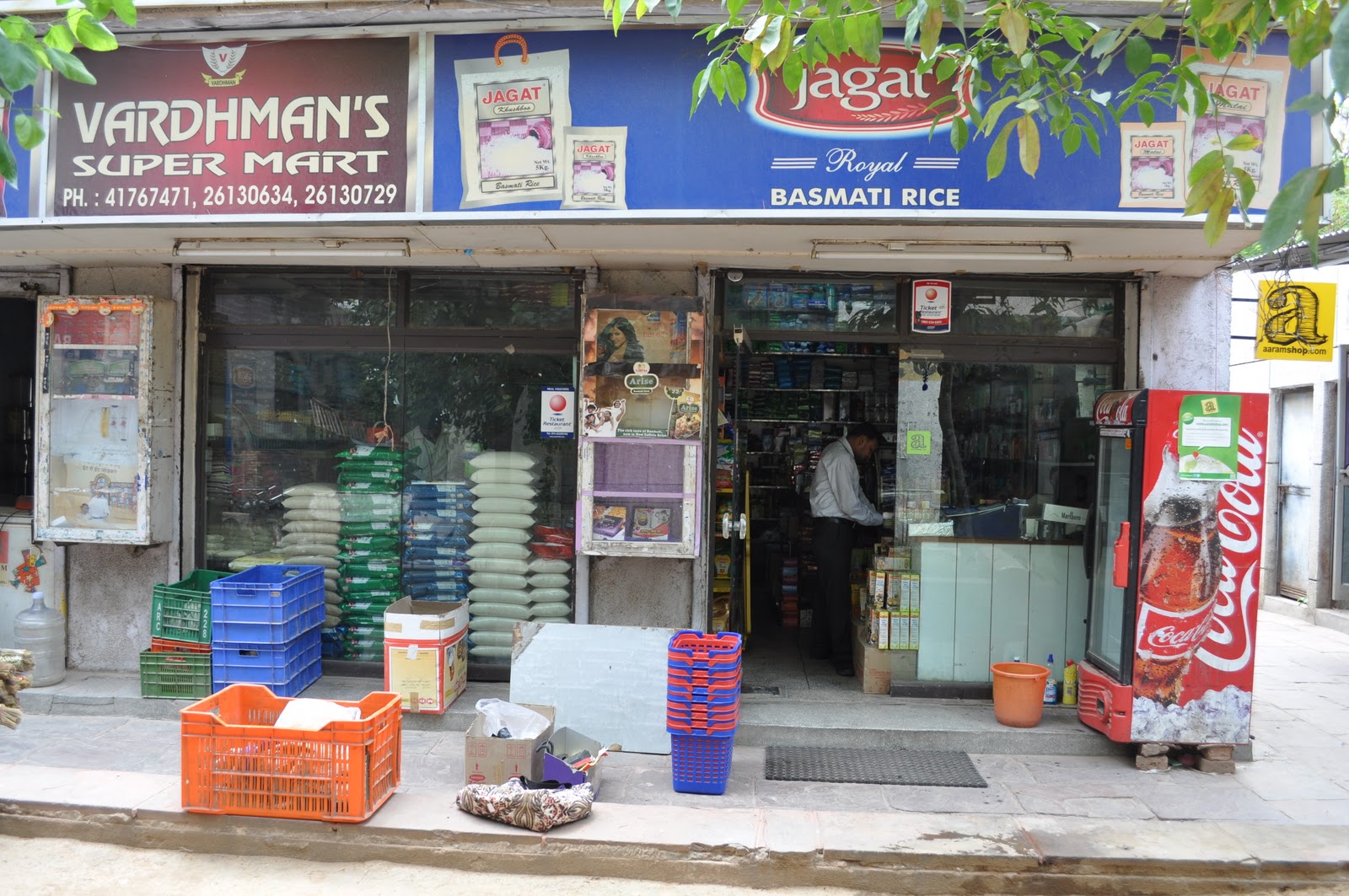
Featured image: Photo: Renzilde / Wikimedia Commons (CC BY-SA 3.0)
This article is for general information and is not medical or dietary advice.