


Quick answer
There is no single number for everyone. A widely used reference from the US National Academies suggests about 2.7 litres a day of total water for women and 3.7 litres for men, counting water from all drinks and food. Roughly a fifth usually comes from food. You need more in hot weather, during exercise, and when you are unwell with fever or diarrhoea.
The popular “eight glasses a day” rule is an easy reminder, but it is not a scientific target. How much you need depends on your body size, how active you are, the climate you live in and your health.
 Also readImpact Of Sunglasses On Eye Health: Protecting Your Vision In Style
Why total water, not just glasses of water
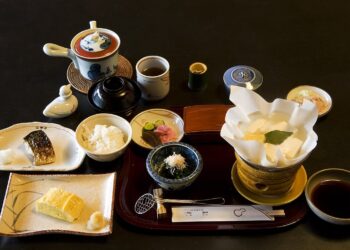
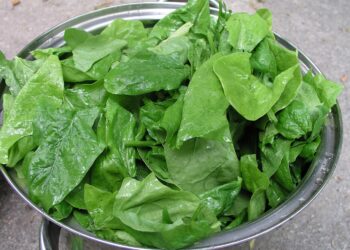
Your body gets water from everything you drink, including tea, milk, buttermilk and juice, and from food such as fruit, vegetables, dal and rice. Water-rich foods like cucumber, watermelon and curd add a meaningful amount. This is why reference values are given as total water, not only plain water.
What changes how much you need
- Heat and humidity: Indian summers increase sweating, so fluid needs rise sharply.
- Exercise: drink before, during and after physical activity, especially in the heat.
- Illness: fever, vomiting and diarrhoea cause fluid loss. Oral rehydration solution (ORS) replaces both water and salts.
- Pregnancy and breastfeeding: both increase daily water needs.
- Age: older adults may feel less thirsty, so they need to drink regularly.
Simple signs you are drinking enough
- You rarely feel very thirsty.
- Your urine is pale yellow, like straw. Dark yellow urine usually means you need more fluid.
- You are not getting headaches or feeling dizzy in the heat.
Signs of dehydration
Common signs include strong thirst, dark urine, dry mouth, tiredness, headache and dizziness. Seek medical help urgently if someone is confused, very drowsy, not passing urine, or if a child has sunken eyes or no tears when crying.
Can you drink too much water?
Yes, though it is uncommon. Drinking very large amounts in a short time, especially during long endurance events, can lower sodium levels in the blood. This condition, called hyponatraemia, can be serious. Drink to thirst and spread your intake through the day. People with kidney, heart or liver conditions may be told to limit fluids and should follow their doctor’s advice.
Easy habits to stay hydrated
- Keep a bottle with you at work and when travelling.
- Drink a glass of water with every meal.
- Choose water, buttermilk or coconut water over sugary drinks.
- Add more fruit and vegetables to your meals.
Frequently asked questions
Is 3 litres of water a day too much?
For most healthy adults, around 3 litres of total fluid a day is within the normal range, especially in hot weather. People with kidney, heart or liver conditions should follow their doctor’s advice.
Does tea or coffee count towards water intake?
Yes. Tea, coffee, milk and other drinks count towards your total fluid intake, though water is the best everyday choice.
What colour should urine be if I am hydrated?
Pale yellow, like straw. Dark yellow urine is usually a sign that you need to drink more.
Sources and further reading
- National Academies: Dietary Reference Intakes for Water, Potassium, Sodium, Chloride and Sulfate
- NHS: Dehydration
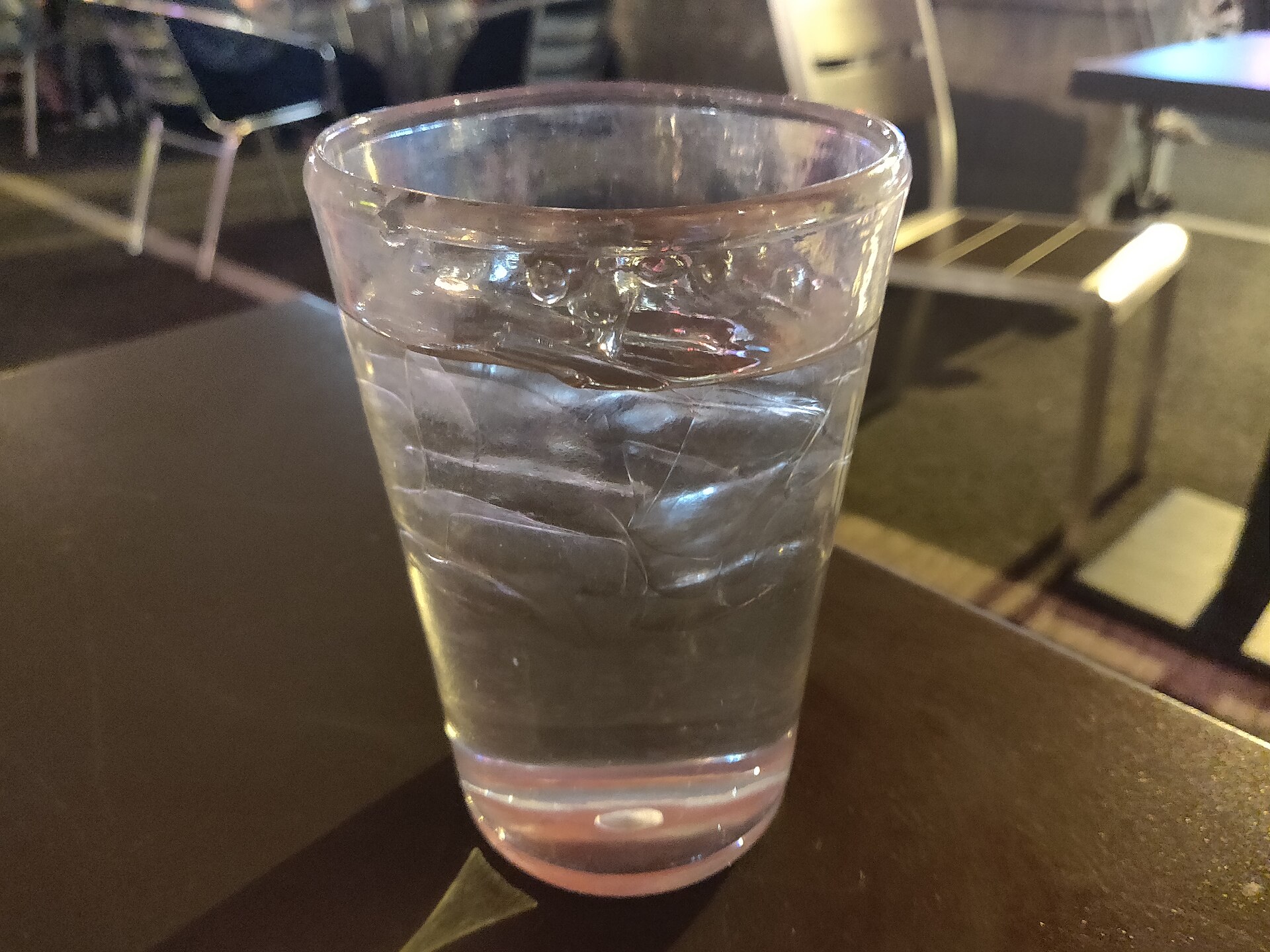
Featured image: Photo: Kurt Kaiser / Wikimedia Commons (CC0)
This article is for general information and is not medical advice. Speak to a qualified doctor about your own health.