




Of WhatsApp, Telegram and Signal, Signal is the safest for privacy in 2026. It encrypts every chat and call end to end by default, is run by a non-profit and keeps very little user data. WhatsApp also encrypts messages end to end but collects more metadata, while Telegram encrypts normal chats only between your phone and its servers.
The debate started in January 2021, when WhatsApp’s privacy policy update pushed millions of users to look at alternatives. Five years on, all three apps have grown and changed. Here is how WhatsApp, Telegram and Signal compare on encryption, data collection and legal requests, with the latest updates from India.
WhatsApp vs Telegram vs Signal: quick comparison
| Feature | Telegram | Signal | |
|---|---|---|---|
| Owner | Meta Platforms | Telegram (founded by Pavel Durov) | Signal Foundation (non-profit) |
| End-to-end encryption by default | Yes, all chats and calls | No, only Secret Chats and calls | Yes, everything |
| Group chats encrypted end to end | Yes | No | Yes |
| Encrypted cloud backup | Optional, since October 2021 | Chats stored on Telegram servers | Not stored on servers |
| Users | 3 billion monthly (May 2025) | Over 1 billion monthly (March 2025) | About 70 million monthly (January 2025) |
Why people asked whether WhatsApp is safe
In January 2021, WhatsApp said it would share user data with Facebook (now Meta) and its group companies and removed the earlier option to opt out. After a backlash, it moved the deadline from 8 February to 15 May 2021 and said it would not limit features for users who did not accept. Many users downloaded Signal and Telegram in the same weeks.
 Also readGPT-4 vs ChatGPT: What Makes GPT-4 Different? (2026 Update)
The Signal rush was so large that its verification system was briefly overwhelmed in January 2021. The surge followed public posts by Elon Musk and Edward Snowden recommending the app, and Signal’s Google Play installs jumped from over 10 million to over 50 million in three days.
WhatsApp: encrypted messages, but more data
WhatsApp has used end-to-end encryption, built on the Signal Protocol, for all messages and calls since April 2016. This means Meta cannot read the content of your chats. Since October 2021, users can also turn on encrypted backups protected by a password or a 64-digit key. This is off by default, so check it in Settings.
The weak spot is metadata: who you talk to, when and how often. WhatsApp shares account and some usage details with law enforcement on valid legal requests, and it shares some data within Meta. Its app store privacy label lists items such as device ID, phone number, usage and diagnostic data.
The case in India
In November 2024, the Competition Commission of India (CCI) fined Meta and WhatsApp Rs 213.14 crore over the 2021 policy and barred data sharing with Meta companies for advertising for five years. In November 2025, the NCLAT upheld the fine but set aside the five-year ban. Meta and WhatsApp have since moved the Supreme Court, where the appeal was pending as of early 2026.
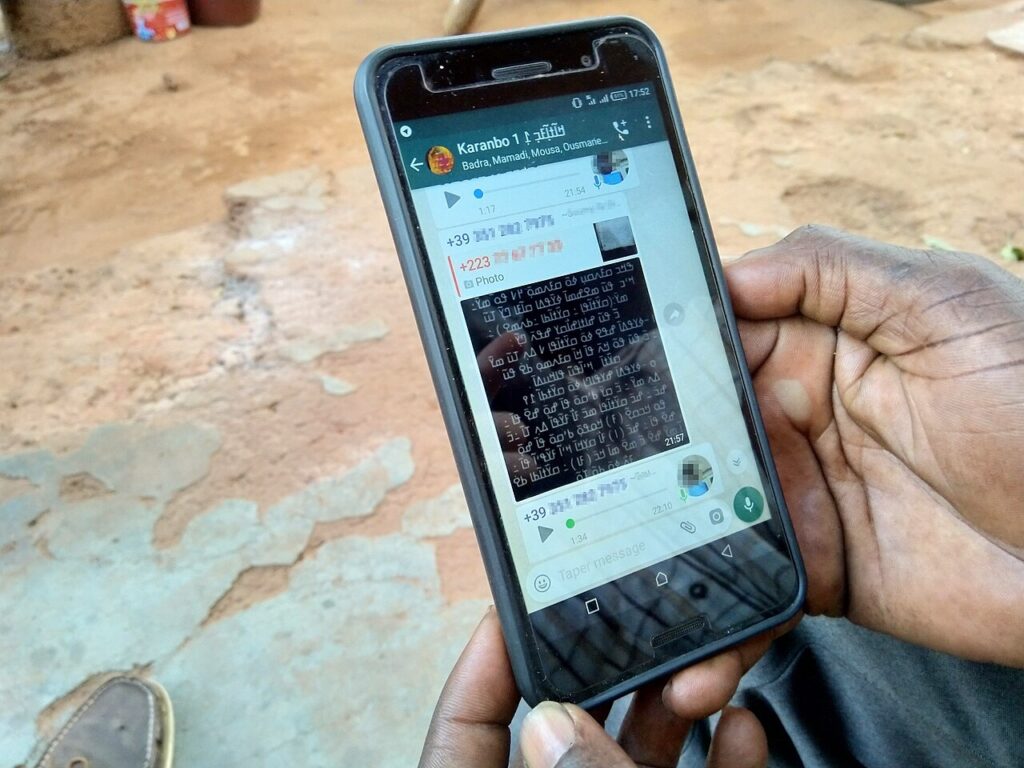
Telegram: big features, weaker default privacy
Telegram’s normal chats use client-server encryption. Messages are encrypted between your device and Telegram’s servers, but Telegram holds the keys and stores your chats in its cloud. This is what lets you open the same chats on many devices.
End-to-end encryption is available only in Secret Chats. These are one-on-one only, tied to the device where they started, and work on Android, iOS and macOS but not on Telegram Desktop for Windows or Linux. Group chats, which can have up to 2 lakh members, are not end-to-end encrypted. Voice and video calls are.
After founder Pavel Durov was arrested and charged in France in August 2024, Telegram said in September 2024 that it would share users’ IP addresses and phone numbers with authorities that present valid legal requests. Durov said Telegram disclosed data for 6,992 Indian requests between January and September 2024.
Signal: built for privacy
Signal is developed by the non-profit Signal Foundation, and its apps and server code are public. Every message, call and group chat is end-to-end encrypted by default, and the keys stay on your devices.
Signal keeps very little data. Its servers store your phone number, public key and a push token. In 2016, Signal said that in response to a subpoena it could provide only the account creation time and the last connection time. A feature called Sealed Sender also hides who sent a message from Signal’s own servers. Since 2024, usernames let you chat without showing your phone number.
The trade-off is fewer users and fewer extras. Signal’s privacy also depends on the device: if a phone is compromised, or someone is added to a group by mistake, encryption does not help. In March 2025, US officials discussed military plans in a Signal group that accidentally included a journalist, a reminder that the user is often the weak link.
Which app should you use?
- Most private: Signal, for sensitive personal or work chats.
- Most convenient: WhatsApp, as almost everyone you know uses it. Turn on encrypted backups and two-step verification.
- Best for channels and big groups: Telegram, but use Secret Chats for anything private.
Whatever you use, set a screen lock on the app, turn on disappearing messages for sensitive chats and avoid clicking unknown links. Read more privacy explainers in our technology section and the latest digital news in Buzz. For general reading, visit Infotainment.

Frequently asked questions
Is Signal safer than WhatsApp?
Yes, for privacy. Both encrypt message content end to end, but Signal is open source, run by a non-profit and stores far less data about who you talk to.
Is Telegram end-to-end encrypted?
Only in Secret Chats and calls. Normal chats and all groups use client-server encryption, so Telegram can technically access them.
Can WhatsApp read my messages?
No. Message content is end-to-end encrypted. WhatsApp can see metadata such as your contacts, usage and device details.
Does Telegram share data with the Indian government?
Telegram says it shares IP addresses and phone numbers on valid legal requests. Durov said it acted on 6,992 Indian requests from January to September 2024.
Sources: Wikipedia: Signal, Wikipedia: Telegram, Wikipedia: WhatsApp, Social Samosa on the CCI case.