

Quick answer
The best time to visit Ladakh is May to September. Both highways into Ladakh are usually open, days are pleasant and high passes like Khardung La are accessible. June to August is peak season; September is quieter with clear skies. Winter (December to February) is extremely cold and suits only experienced travellers.
Ladakh is a high-altitude desert in the far north of India, with Leh at about 3,500 metres above sea level. The season you choose decides almost everything about your trip: which roads are open, how cold it gets and how crowded the popular spots will be.
Ladakh season by season
March to April: early spring
Days start warming up but nights stay below freezing. The Srinagar–Leh highway via Zoji La usually reopens in spring after winter snow clearance, while the Manali–Leh route stays closed. Flying into Leh is the reliable option. It is a good time for photographers who want snow on the peaks and very few visitors.

May to June: the season opens
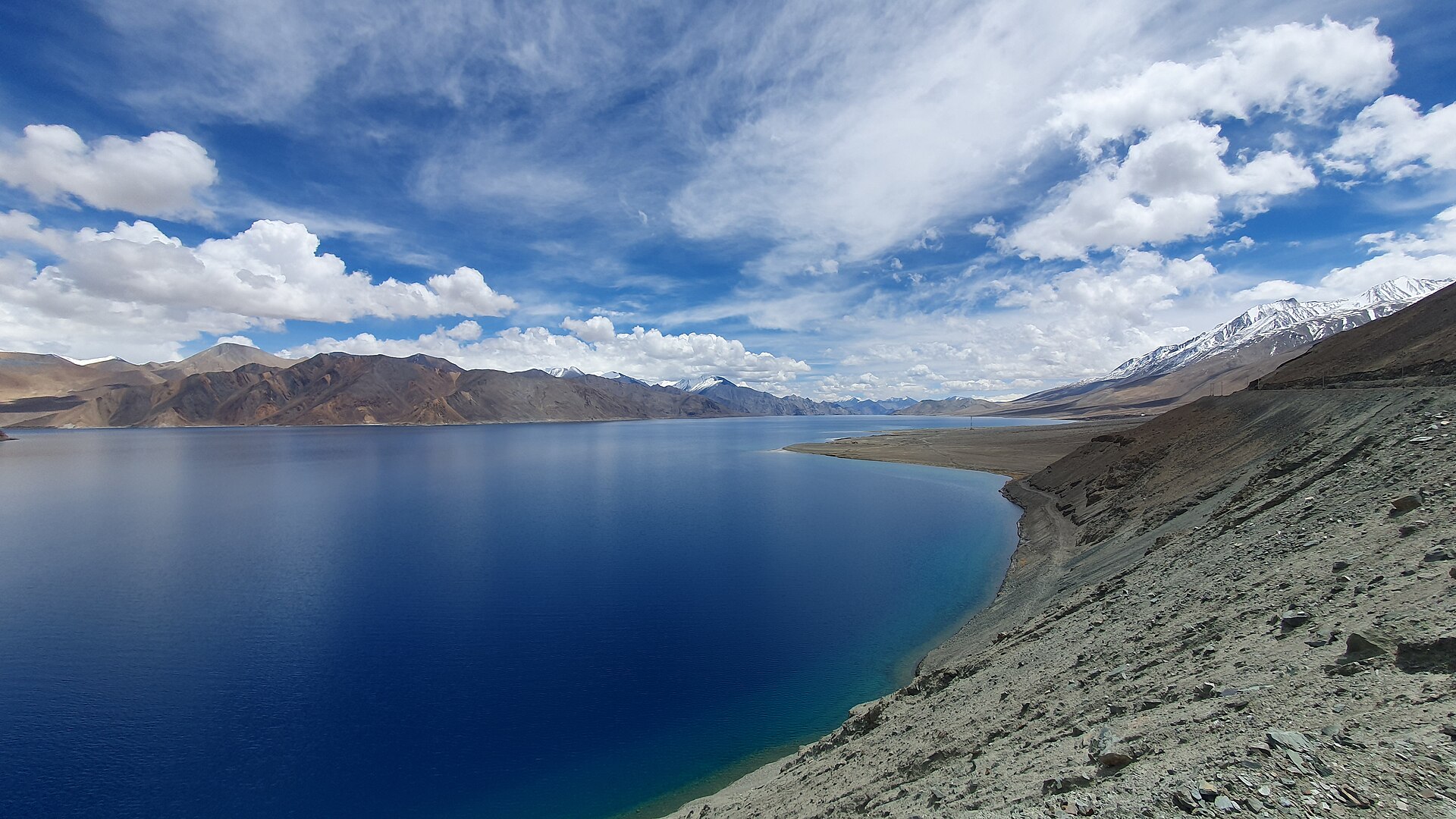
This is when most travellers start arriving. The Manali–Leh highway typically opens around late May or June, depending on snow. Pangong Tso may still have ice at the edges in May. Days are sunny and comfortable, but carry warm layers for evenings.
July to August: peak season
Ladakh sits in a rain shadow, so it gets very little of the monsoon that soaks the rest of India. July and August are the warmest months and the busiest. Book stays early. The one risk is on the Himachal side of the Manali route, where monsoon rain can cause landslides and delays.
September to mid-October: the sweet spot
Crowds thin out, skies are clear and the landscape turns golden. Nights get cold quickly by October, and some guesthouses in remote areas start closing for the season. For many travellers this is the best balance of weather, access and calm.
November to February: deep winter
Temperatures can drop well below minus 20°C. Most roads into Ladakh close and flights become the only way in. Winter is for those who want the frozen Zanskar river trek or snow leopard tours, and it needs proper gear and experienced guides.
Which month should you choose?
- First-time visitors: June or September
- Road trip from Manali or Srinagar: mid-June to mid-September
- Fewer crowds and clear skies: September
- Snow and winter adventure: January to February, with a guided group
Altitude and acclimatisation
Altitude sickness is the most common problem visitors face in Ladakh. If you fly into Leh, rest for at least 24 to 48 hours before going higher. Drink water, avoid alcohol for the first few days and increase altitude gradually. Headache, nausea or breathlessness that does not improve with rest is a sign to descend and see a doctor. Travellers with heart or lung conditions should speak to their doctor before the trip.
Permits you will need
Indian citizens need an Inner Line Permit for areas such as Nubra Valley, Pangong Tso and Tso Moriri. Foreign nationals need a Protected Area Permit. Permits are issued online through the Leh district administration and can also be arranged by local travel agents. Carry several printed copies, as they are checked at posts along the way.
Planning tips
- Keep at least 6 to 7 days for Leh, Nubra and Pangong, including acclimatisation days.
- Carry cash. ATMs outside Leh are few and mobile networks are limited in remote areas.
- Pack layers, sunscreen and sunglasses. The sun is strong at altitude even when the air is cold.
- Check road status with local authorities before driving any high pass.
Frequently asked questions
Which is the best month to visit Ladakh?
June and September are the best months for most travellers. Roads are open, the weather is pleasant and September has fewer crowds.
Is it safe to visit Ladakh in the monsoon?
Yes. Ladakh gets very little rain because it lies in a rain shadow. The main risk is landslides on the Himachal side of the Manali–Leh highway in July and August.
How many days are enough for Ladakh?
Plan at least 6 to 7 days to cover Leh, Nubra Valley and Pangong Tso, including one or two days to acclimatise in Leh.
Sources and further reading
Featured image: Photo: Stanzin1945 / Wikimedia Commons (CC BY-SA 4.0)
Road openings depend on snow each year. Always check current conditions before travelling.