


Quick answer
The National Education Policy (NEP) 2020 is India’s framework for reforming school and higher education. Approved by the Union Cabinet on 29 July 2020, it replaced the 1986 policy. Key changes include the 5+3+3+4 school structure, learning in the mother tongue in early years, easier and more flexible board exams, a 4-year undergraduate degree with multiple exit options and the Academic Bank of Credits.
NEP 2020 is a policy, not a law. States and institutions implement it in stages, so what changes for a student depends on their board, state and university.
School education: the key changes
The new 5+3+3+4 structure
- Foundational stage (5 years): ages 3 to 8, three years of preschool plus Classes 1 and 2
- Preparatory stage (3 years): ages 8 to 11, Classes 3 to 5
- Middle stage (3 years): ages 11 to 14, Classes 6 to 8
- Secondary stage (4 years): ages 14 to 18, Classes 9 to 12
This replaces the old 10+2 structure and brings early childhood education into the formal system.


Mother tongue in early years
The policy recommends that, wherever possible, the medium of instruction until at least Class 5, and preferably Class 8, should be the home language, mother tongue or regional language.
Flexible subjects and vocational skills
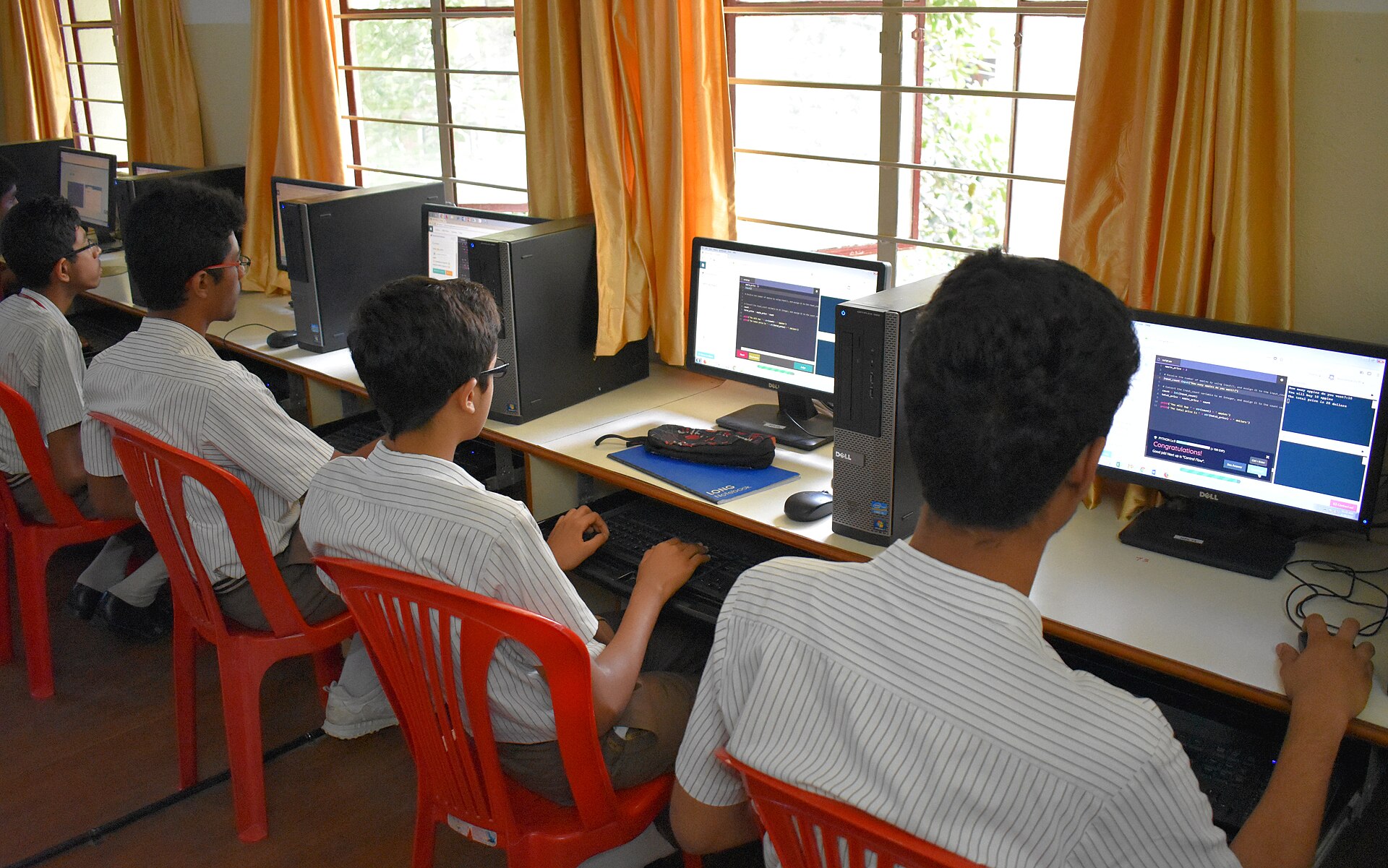
There is less separation between arts, commerce and science streams, and between curricular and extracurricular activities. Vocational education and internships are to start from Class 6, and coding is to be introduced in the middle stage.
Board exams and report cards
Board exams are meant to test core concepts rather than rote learning, and students may get more than one attempt. CBSE has announced a second, optional Class 10 board exam from 2026. A 360-degree holistic report card and a national assessment centre, PARAKH, are also part of the reform.
Higher education: the key changes
- Four-year undergraduate programme with multiple entry and exit options: a certificate after 1 year, a diploma after 2 years, a degree after 3 years, and a degree with honours or research after 4 years.
- Academic Bank of Credits: a digital store of credits earned, so students can move between institutions and resume studies later.
- Common entrance test: the CUET is used for admission to central universities.
- Multidisciplinary education: students can combine subjects across streams.
- Target: a gross enrolment ratio of 50% in higher education by 2035.
What it means for parents and students
- More focus on understanding, skills and projects than on memorising.
- More choice of subjects and the option to pause and resume a degree.
- Changes arrive gradually, so check your school board and university for current rules.
Frequently asked questions
What is the 5+3+3+4 system in NEP 2020?
It divides schooling into four stages: foundational (ages 3 to 8), preparatory (8 to 11), middle (11 to 14) and secondary (14 to 18), replacing the 10+2 structure.
Is the four-year degree compulsory under NEP 2020?
No. Students can exit with a certificate after 1 year, a diploma after 2 years or a degree after 3 years, or continue to a 4-year honours or research degree.
What is the Academic Bank of Credits?
It is a digital system that stores the credits a student earns, so they can move between institutions or resume their studies later.
Sources and further reading
Featured image: Photo: Nayakyashraj / Wikimedia Commons (CC BY-SA 4.0)