

• About   |
  • Submit Guest Post |
  • Contact Us
No Result
View All Result
The Second Angle (TSA Magazine)
Advertise
  • Infotainment
    • Sports
    • People
    • Inspiring
  • Entertainment
    • Lifestyle
    • Home & Decoration
  • Buzz
  • Education
  • Travel
  • Finance
  • Healthcare
  • Technology
The Second Angle
No Result
View All Result
  • Infotainment
  • Entertainment
  • Buzz
  • Education
  • Travel
  • Finance
  • Healthcare
  • Technology
Advertisement
ADVERTISEMENT
Home Editors' Pick

How to Read a Food Label in India: A Simple FSSAI Guide

by TSA Desk
September 30, 2026
in Editors' Pick, Healthcare
Reading Time: 4 mins read
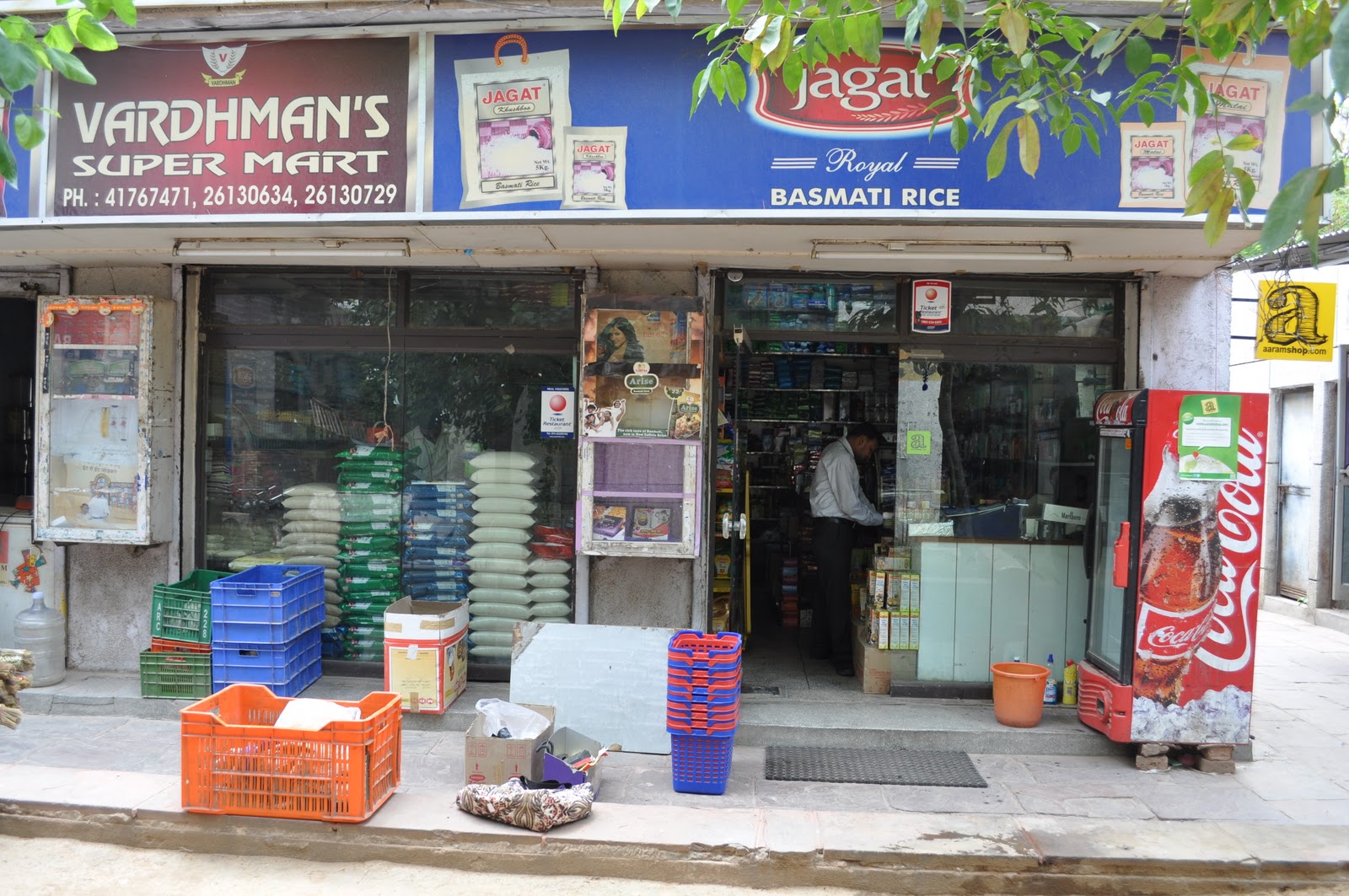
A kirana store stocked with packaged food in India

Photo: Renzilde / Wikimedia Commons (CC BY-SA 3.0)

Share on FacebookShare on WhatsApp
Advertisement Advertisement Advertisement
ADVERTISEMENT

Quick answer

To read a food label in India, check five things: the ingredients list (listed from most to least by weight), the nutrition table per 100 g (to compare products), the serving size, added sugar, salt and saturated fat, and the veg or non-veg symbol and FSSAI licence number. Labels in India follow the FSSAI Labelling and Display Regulations, 2020.

The front of a pack is marketing. Words like “multigrain”, “natural” or “lite” do not always mean healthy. The back of the pack is where the real information is.

Table of Contents
  • 1. Start with the ingredients list
    • Watch for hidden sugars
  • 2. Read the nutrition table per 100 g
  • 3. Check the serving size
  • 4. Understand the symbols
  • 5. Look at dates and allergens
  • Common label claims, decoded
  • A quick checklist at the shop
  • Frequently asked questions
    • What should I check first on a food label?
    • What does the +F logo mean on food packets?
    • What is the difference between best before and use by?

1. Start with the ingredients list

Ingredients are listed in descending order of weight. If sugar, refined flour (maida) or palm oil appears near the top, the product contains a lot of it. A shorter list with recognisable ingredients is usually a better sign.


RelatedPosts

A Bharatanatyam dancer in performance

Indian Classical Dance Forms: A Beginner’s Guide to All Eight

The Taj Mahal in Agra, a UNESCO World Heritage Site

UNESCO World Heritage Sites in India: A Region-by-Region Guide

Watch for hidden sugars

Sugar appears under many names, including glucose syrup, invert sugar, maltodextrin, dextrose, fructose, corn syrup, jaggery and honey. Several of these in one list add up.

2. Read the nutrition table per 100 g

Packaged foods show nutrition information per 100 g or 100 ml, and per serving. Use the per 100 g column to compare two products fairly, since serving sizes differ between brands.

Key lines to check:

  • Energy (kcal)
  • Total sugars and added sugars
  • Total fat, saturated fat and trans fat
  • Sodium, which tells you how much salt is in the product
  • Protein and dietary fibre

3. Check the serving size

A packet of chips or biscuits may say “per serving” for a small portion, while most people eat the whole pack. Multiply the per-serving values by the number of servings you actually eat.

4. Understand the symbols

  • Green dot in a green square: vegetarian food.
  • Brown symbol in a brown square: non-vegetarian food.
  • FSSAI logo and licence number: shows the manufacturer is licensed or registered with the food regulator.
  • +F logo: the food is fortified with vitamins or minerals, such as fortified rice, oil, milk or salt.
  • Jaivik Bharat logo: certified organic food.

5. Look at dates and allergens

“Use by” is about safety, so do not eat food after this date. “Best before” is about quality, meaning the food may lose taste or texture after that date. Labels must also declare common allergens such as milk, nuts, soy, gluten and seafood.

Common label claims, decoded

  • “No added sugar” means no sugar was added, but the product can still contain natural sugars.
  • “Sugar-free” products may use artificial sweeteners and can still be high in fat or calories.
  • “Multigrain” only means more than one grain is used; refined flour may still be the main ingredient.
  • “Baked, not fried” does not automatically mean low fat or low salt.

A quick checklist at the shop

  1. Read the first three ingredients.
  2. Compare sugar, sodium and saturated fat per 100 g with a similar product.
  3. Check the serving size against what you will actually eat.
  4. Confirm the veg or non-veg symbol, FSSAI number and use-by date.

Frequently asked questions

What should I check first on a food label?

Start with the ingredients list. Ingredients are listed in order of weight, so the first three tell you what the product is mostly made of.

What does the +F logo mean on food packets?

The +F logo means the food is fortified with added vitamins or minerals under FSSAI standards.

What is the difference between best before and use by?

Use by relates to safety, so food should not be eaten after that date. Best before relates to quality, such as taste and texture.

Sources and further reading

  • FSSAI: Food Safety and Standards (Labelling and Display) Regulations, 2020
  • FSSAI Eat Right India

Featured image: Photo: Renzilde / Wikimedia Commons (CC BY-SA 3.0)

This article is for general information and is not medical or dietary advice.

ShareSend
Tweet
Previous Post

Why Film Re-Releases Are Trending in Indian Cinemas

Next Post

UNESCO World Heritage Sites in India: A Region-by-Region Guide

Related Posts

A Bharatanatyam dancer in performance
Culture

Indian Classical Dance Forms: A Beginner’s Guide to All Eight

From Bharatanatyam to Sattriya, India has eight recognised classical dance forms. Here is where each comes from and what makes...

Read moreDetails
The Taj Mahal in Agra, a UNESCO World Heritage Site
Editors' Pick

UNESCO World Heritage Sites in India: A Region-by-Region Guide

From the Taj Mahal to Kaziranga, India has more than 40 UNESCO World Heritage Sites. Here is a region-by-region guide...

Read moreDetails
Morning sunlight over fields in India
Healthcare

Vitamin D Deficiency in India: Signs, Causes and How to Get Enough

Vitamin D deficiency is widespread in India despite the sunshine. Here are the signs, the causes, how it is tested...

Read moreDetails
A bedside lamp and nightstand in a dark bedroom
Healthcare

Sleep Hygiene: 10 Habits That Help You Sleep Better

Most adults need at least seven hours of sleep. These ten evidence-based habits make it easier to fall asleep and...

Read moreDetails
A glass of drinking water on a table
Healthcare

How Much Water Should You Drink a Day? What the Evidence Says

There is no single number that fits everyone. Here is what health guidance says about daily water needs, and how...

Read moreDetails
15 Unknown Facts About Indian Independence
Featured

15 Unknown Facts About Indian Independence

Did you know that Indian Rupee was equal to a dollar at the time of Independence? Read along to know...

Read moreDetails
Load More
Next Post
The Taj Mahal in Agra, a UNESCO World Heritage Site

UNESCO World Heritage Sites in India: A Region-by-Region Guide

About

The Second Angle

The Second Angle (TSA Mag) is an infotainment and lifestyle magazine covering entertainment, travel, technology, health, education and finance.

Important Links

  • About The Second Angle
  • Write for Us: Guest Post Guidelines
  • Privacy Policy
  • Terms
  • Contact Us
  • Newsletter

Explore

  • Infotainment
  • Entertainment
  • Buzz
  • Education
  • Travel
  • Finance
  • Healthcare
  • Technology
Advertise with us

© 2017-2026. The Second Angle. All Rights Reserved. Developed and Managed by SquareBase.io

Welcome Back!

Login to your account below

Forgotten Password?

Retrieve your password

Please enter your username or email address to reset your password.

Log In
No Result
View All Result
  • Infotainment
    • Sports
    • People
    • Inspiring
  • Entertainment
    • Lifestyle
    • Home & Decoration
  • Buzz
  • Education
  • Travel
  • Finance
  • Healthcare
  • Technology

© 2017-2026. The Second Angle. All Rights Reserved. Developed and Managed by SquareBase.io

This website uses cookies. By continuing to use this website you are giving consent to cookies being used. Visit our Privacy and Cookie Policy.