

Quick answer
The Sangeet Natak Akademi recognises eight Indian classical dance forms: Bharatanatyam (Tamil Nadu), Kathak (North India), Kathakali (Kerala), Kuchipudi (Andhra Pradesh), Odissi (Odisha), Sattriya (Assam), Manipuri (Manipur) and Mohiniyattam (Kerala). The Ministry of Culture also includes Chhau, taking its list to nine.
All Indian classical dances trace their principles to the Natya Shastra, an ancient treatise on performing arts attributed to Bharata Muni. They combine rhythm, expression and storytelling, often drawing on myths from the Ramayana, the Mahabharata and the Puranas.
The eight classical dance forms
1. Bharatanatyam (Tamil Nadu)
One of the oldest and most widely performed forms, known for its geometric poses, sharp footwork and expressive hand gestures called mudras. It developed in the temples of Tamil Nadu.

2. Kathak (North India)
Kathak comes from the word katha, meaning story. It is known for fast spins and intricate footwork with ankle bells, and it developed in both temple and Mughal court traditions. The Lucknow, Jaipur and Banaras gharanas are its main schools.
3. Kathakali (Kerala)
A dance-drama famous for elaborate makeup, costumes and headgear. Performers, traditionally men, use detailed facial expressions and eye movements to tell stories from the epics.
4. Kuchipudi (Andhra Pradesh)
Named after a village in Andhra Pradesh, Kuchipudi mixes dance and drama. A well-known feature is dancing on the rim of a brass plate.
5. Odissi (Odisha)
Odissi is known for its fluid, sculpturesque poses, especially the tribhangi, where the body bends in three places. Its roots lie in the temple traditions of Odisha.
6. Sattriya (Assam)
Created by the saint Srimanta Sankardev in the 15th and 16th centuries, Sattriya was performed in Vaishnavite monasteries called sattras. It was recognised as a classical dance form by the Sangeet Natak Akademi in 2000.
7. Manipuri (Manipur)
Manipuri is graceful and gentle, with soft, flowing movements. The Ras Lila, depicting Krishna and the gopis, is one of its best-known themes.
8. Mohiniyattam (Kerala)
The “dance of the enchantress”, Mohiniyattam is a gentle, swaying solo dance traditionally performed by women, in white and gold costumes.
What about Chhau?
Chhau is a semi-classical dance with martial and folk elements, performed in Odisha, Jharkhand and West Bengal. In two of its three styles, dancers wear masks. The Ministry of Culture lists it among classical dances, and UNESCO inscribed it on its list of Intangible Cultural Heritage in 2010.
Common elements across classical dances
- Nritta: pure dance, focused on rhythm and movement
- Nritya: expressive dance that conveys emotion and meaning
- Natya: the dramatic element of storytelling
- Mudras and abhinaya: hand gestures and facial expressions that communicate specific ideas
Where to watch classical dance
Major festivals include the Khajuraho Dance Festival in Madhya Pradesh, the Konark Dance Festival in Odisha and the Natyanjali festival at Chidambaram in Tamil Nadu. Many cities also host regular performances at cultural centres and sabhas, especially during the December music and dance season in Chennai.
Frequently asked questions
How many classical dances are there in India?
The Sangeet Natak Akademi recognises eight classical dance forms. The Ministry of Culture also includes Chhau, making nine in its list.
Which is the oldest Indian classical dance form?
Bharatanatyam is often described as one of the oldest classical dance forms, with roots in the temples of Tamil Nadu.
Which classical dance was recognised most recently?
Sattriya from Assam was recognised as a classical dance form by the Sangeet Natak Akademi in 2000.
Sources and further reading
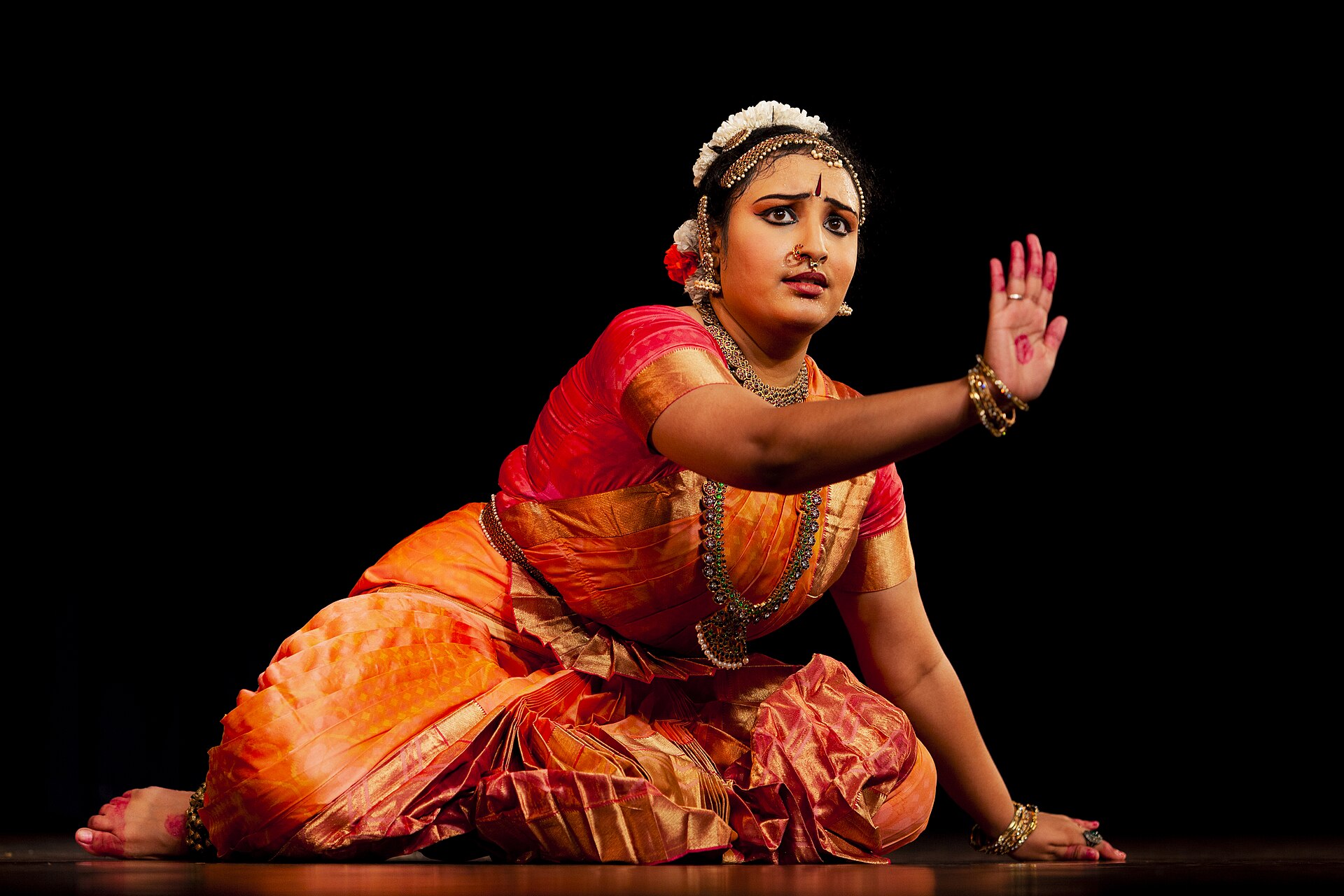
Featured image: Photo: Vijay Sundararaman Iyer / Wikimedia Commons (CC BY-SA 4.0)