

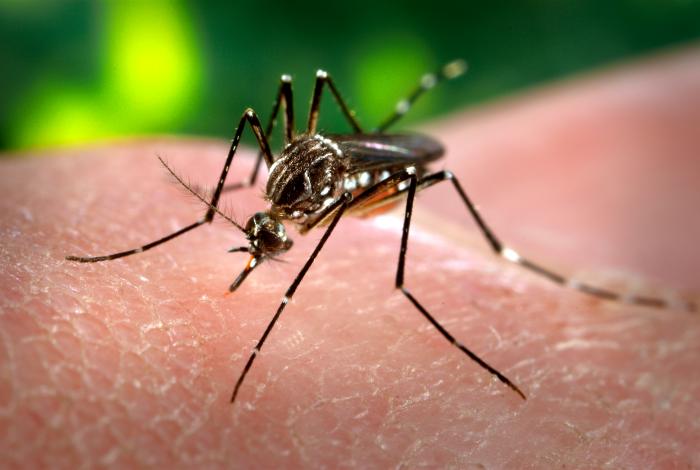

Dengue usually starts with a sudden high fever, severe headache, pain behind the eyes and body ache. The dangerous phase often begins after the fever comes down. The World Health Organization (WHO) lists severe stomach pain, repeated vomiting, bleeding gums, fast breathing and extreme tiredness as warning signs that need hospital care the same day.
October is one of the busiest months for dengue in India. The rains have stopped in many places, but water still collects in coolers, pots, tyres and terraces, and the mosquito that spreads dengue breeds in exactly these spots. Knowing the warning signs can help a family decide when home care is enough and when to go to hospital.
How big is the dengue problem in India
Data from the National Center for Vector Borne Diseases Control (NCVBDC), under the Union Health Ministry, shows that India has recorded lakhs of dengue cases every year in recent years. The table below uses the figures published on the NCVBDC website.
 Also readHow to Read a Food Label in India: A Simple FSSAI Guide
| Year | Dengue cases | Deaths |
|---|---|---|
| 2022 | 2,33,251 | 303 |
| 2023 | 2,89,235 | 485 |
| 2024 | 2,33,519 | 297 |
| 2025 | 1,21,824 | 131 |
These are reported cases only. Many mild infections are never tested, so the real number of infections is higher. WHO estimates that 100 to 400 million dengue infections happen worldwide every year, and most of them cause mild or no symptoms.
How dengue spreads
Dengue is caused by a virus carried mainly by the Aedes mosquito. Unlike the mosquito that spreads malaria, it bites during the day, so children at school and adults at work are also exposed. WHO notes that a mosquito can pick up the virus from an infected person from about two days before symptoms start to about two days after the fever ends.
Dengue does not spread directly from one person to another through touch, food or air. It needs the mosquito. This is why cleaning breeding spots is the single most useful step a household or housing society can take.
Common symptoms in the early days
According to WHO, symptoms usually appear 4 to 10 days after the mosquito bite and last 2 to 7 days. The fever is often high, around 40 degrees Celsius (104 degrees Fahrenheit). The older name for dengue, break-bone fever, comes from the severe body and joint pain.
- Sudden high fever
- Severe headache and pain behind the eyes
- Muscle and joint pain
- Nausea and vomiting
- Swollen glands
- Skin rash
Many people recover with rest and fluids. Tiredness can continue for several weeks after the fever, so a slow return to work, school or the gym is sensible.
Warning signs that need urgent care
This is the part most families miss. WHO says the warning signs of severe dengue often appear after the fever has gone. A patient may look better on day four or five and then become seriously unwell. Go to a hospital immediately if any of these appear:
- Severe abdominal pain that does not settle.
- Persistent vomiting, where the person cannot keep fluids down.
- Rapid breathing or difficulty breathing.
- Bleeding from the gums or nose, or blood in vomit or stool.
- Extreme thirst, or passing very little urine.
- Pale, cold or clammy skin.
- Restlessness, confusion or extreme weakness.
WHO also notes that a second dengue infection raises the risk of severe disease. If someone in the family has had dengue before, take a new fever seriously and get tested early.
Testing: what doctors usually check
Dengue cannot be confirmed by symptoms alone, since malaria, chikungunya, typhoid and viral fevers can look similar in the early days. Doctors commonly order an antigen test (NS1) in the first few days of fever and an antibody test later in the illness. They also repeat a complete blood count to track platelet count and other values over several days.
A falling platelet count worries many families, but the decision on fluids, admission or any transfusion should be left to the treating doctor, who looks at the full clinical picture and not just one number.
Home care while you recover
There is no specific antiviral medicine for dengue. Care focuses on rest, fluids and close watching. WHO advises the following:
- Use paracetamol for fever and pain, as advised by your doctor.
- Avoid painkillers such as ibuprofen and aspirin, because they can increase the risk of bleeding.
- Drink plenty of fluids. Water, oral rehydration solution, coconut water, soups and dal water all help.
- Rest, and keep checking for the warning signs listed above.
Be careful with home remedies shared on WhatsApp. No juice or leaf extract is a proven cure for dengue, and none should replace hydration and medical follow-up.
Prevention at home and in your society
WHO stresses that controlling mosquito breeding is the main way to prevent dengue. The Aedes mosquito lays eggs in small amounts of clean, stagnant water, so a quick weekly check makes a real difference.
- Empty, scrub and dry desert coolers, flower pot trays, pet bowls and buckets at least once a week.
- Cover water tanks, drums and overhead storage tightly.
- Throw away old tyres, coconut shells, plastic cups and broken containers lying on terraces and balconies.
- Use window and door screens, and mosquito nets for anyone resting during the day.
- Wear full-sleeved clothes and use a repellent containing DEET, picaridin or IR3535, as WHO suggests.
Housing societies can assign one day a week for checking common areas, basements and construction spots. For more everyday health explainers, see the TSA Healthcare section, and for seasonal home tips, visit our Lifestyle section.
This article is general information. If you or a family member has fever during dengue season, please consult a doctor for testing and personal advice.
Frequently asked questions
When does dengue become dangerous?
WHO says warning signs often appear after the fever has gone, usually after the first few days. Severe stomach pain, vomiting, bleeding or breathlessness at this stage need urgent hospital care.
Can I take ibuprofen or aspirin for dengue fever?
No. WHO advises avoiding these medicines because they can raise the risk of bleeding. Paracetamol is the usual choice, taken as your doctor advises.
Can you get dengue more than once?
Yes. A person can be infected again, and WHO notes that a second infection carries a higher risk of severe dengue.
Does dengue spread from person to person?
Not directly. It spreads through the bite of an infected Aedes mosquito, which can pick up the virus from an infected person.
Sources: WHO: Dengue and severe dengue fact sheet; NCVBDC: Dengue situation in India.