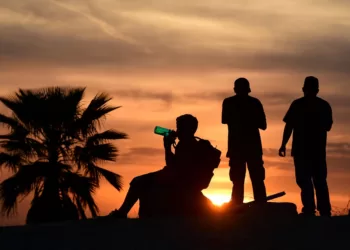



According to a new study published in the journal Science, the new upcoming generations of children will face much more adversities than the present one if the deterioration of climate continues under the current policies.
The study asserts that newborns across the planet who will constitute the next generation will face on an average seven times more scorching heatwaves during their lives than their grandparents.
This study is the first of its kind to measure the impact of climate change in contrasting generations. “It highlights the intergenerational injustice posed by the climate crisis,” reported the Guardian.

The study showed that a child born in 2020 would have to face around 30 extreme heatwaves in their lifetimes, even with the current policies of cutting carbon emissions on the go. This is seven times more heatwave than someone born in 1960.


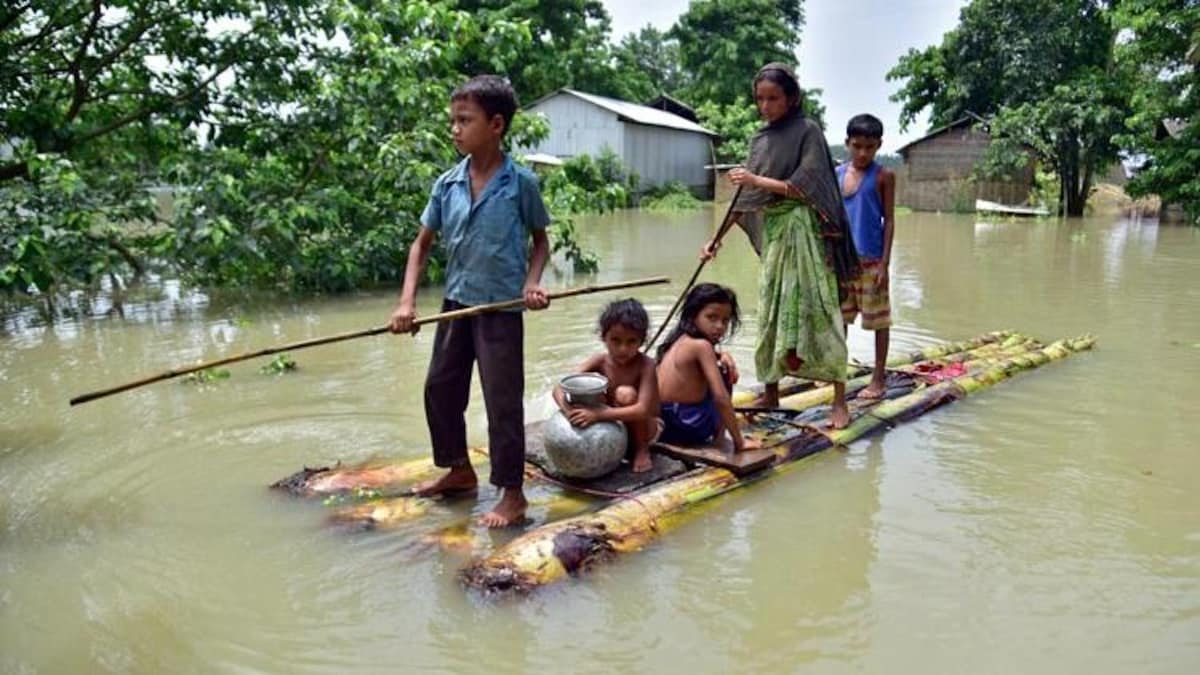
Today’s new generational babies will experience twice as many droughts and wildfires and three times more river floods and crop failures than someone who is 60 years old today.
Dohyeon Kim, an activist from South Korea who took part in the global climate strike on Friday, said: “Countries of the global north need to push governments to put justice and equity at the heart of climate action, both in terms of climate [aid] and setting more ambitious pledges that take into consideration historical responsibilities.”
Prof Wim Thiery, at Vrije Universiteit Brussel in Belgium and who led the research, said that people under the age of 40 today are set to live “unprecedented” lives, i.e., suffering heatwaves, droughts, floods, and crop failures that would have been virtually impossible — 0.01% chance without global heating.
He added, “Our results highlight a severe threat to the safety of young generations and call for drastic emission reductions to safeguard their future.”
Dr. Katja Frieler, at the Potsdam Institute for Climate Impact Research in Germany and part of the study team, said: “The good news is we can take much of the climate burden from our children’s shoulders if we limit warming to 1.5C by phasing out fossil fuel use. This is a huge opportunity.”
The study also enclosed with it a report by an international charity, Save the Children, titled ‘Born Into the Climate Crisis’. It emphasizes the need to protect the children’s future.
The report foregrounded the importance of considering children as they are equally liable to be part of the system, becoming the key agents of change. Also taking more crucial steps to curb global heating.
![According to a new study published in the journal Science, the new upcoming generations of children will face much more adversities than the present one if the deterioration of climate continues under the current policies. The study asserts that newborns across the planet who will constitute the next generation will face on an average seven times more scorching heatwaves during their lives than their grandparents. This study is the first of its kind to measure the impact of climate change in contrasting generations. “It highlights the intergenerational injustice posed by the climate crisis,” reported the Guardian. The study showed that a child born in 2020 would have to face around 30 extreme heatwaves in their lifetimes, even with the current policies of cutting carbon emissions on the go. This is seven times more heatwave than someone born in 1960. Today’s new generational babies will experience twice as many droughts and wildfires and three times more river floods and crop failures than someone who is 60 years old today. Dohyeon Kim, an activist from South Korea who took part in the global climate strike on Friday, said: “Countries of the global north need to push governments to put justice and equity at the heart of climate action, both in terms of climate [aid] and setting more ambitious pledges that take into consideration historical responsibilities.” Prof Wim Thiery, at Vrije Universiteit Brussel in Belgium and who led the research, said that people under the age of 40 today are set to live “unprecedented” lives, i.e., suffering heatwaves, droughts, floods, and crop failures that would have been virtually impossible — 0.01% chance without global heating. He added, “Our results highlight a severe threat to the safety of young generations and call for drastic emission reductions to safeguard their future.” Dr Katja Frieler, at the Potsdam Institute for Climate Impact Research in Germany and part of the study team, said: “The good news is we can take much of the climate burden from our children’s shoulders if we limit warming to 1.5C by phasing out fossil fuel use. This is a huge opportunity.” The study also enclosed with it a report by an international charity, Save the Children, titled ‘Born Into the Climate Crisis’. It emphasizes the need to protect the children’s future. The report foregrounded the importance of considering children as they are equally liable to be part of the system, becoming the key agents of change. Also taking more crucial steps to curb global heating. According to Hayley Dunning’s report in the Imperial College London news, the study was led by Vrije Universiteit Brussel (VUB) and an international team of researchers from institutions including Imperial College London and the University of Nottingham. Co-author Dr Joeri Rogelj, from the Grantham Institute — Climate Change and the Environment at Imperial, said: “With this study, we lay bare the fundamental injustice of climate change across generations, as well as the responsibilities of today's adults and elders in power. “The consequence of children suffering unprecedented sequences of climate extremes over the course of their lives can now be attributed to the inaction of today's adults. It also shows how much can be gained by ambitious emissions reductions.”](https://s01.sgp1.cdn.digitaloceanspaces.com/article/127320-rxgvwhwznh-1568374952.jpg "The Upcoming Generations Will Have To Face Much More Climate Adversities Than The Previous Ones, Says Study")
Co-author Dr. Joeri Rogelj, from the Grantham Institute — Climate Change and the Environment at Imperial, said: “With this study, we lay bare the fundamental injustice of climate change across generations, as well as the responsibilities of today’s adults and elders in power.
“The consequence of children suffering unprecedented sequences of climate extremes over the course of their lives can now be attributed to the inaction of today’s adults. It also shows how much can be gained by ambitious emissions reductions.”
Also Read : ‘Ghosts Forests’ Are Becoming More Frequent In The US East Coast, Says A Study